Introduction
Getting an accurate label printing quote starts with providing the right information. Whether you need labels for food packaging, cosmetics, beverages, or everyday consumer products, the price depends on more than the number of labels you order. Material selection, adhesive performance, printing methods, surface finishes, and packaging requirements can all affect the final cost.
If you only send a product picture and ask for a price, your printing supplier may need to ask several follow-up questions before preparing an accurate quotation. Missing specifications can also lead to misunderstandings about the finished product.
To make the process faster, prepare seven essential details before requesting a quote. This guide explains what to provide, why each detail matters, and how to make your custom label project easier to evaluate.
1. Provide Your Design Artwork
Your artwork helps the supplier understand the label's layout, colors, text, and visual requirements.
If you already have a finished design, provide a print-ready file when possible. PDF, AI, and other vector formats may be suitable, depending on your supplier's requirements. If you only have a product photo, sketch, or reference image, you can still share it as a starting point.
Your artwork should ideally include:
Logo, text, and product graphics
Color specifications, if available
Label dimensions or a dieline
Special printing effects, such as foil stamping or embossing
Any mandatory product information
If the design is not finalized, explain which elements may change. This helps the supplier understand whether the quotation is based on a confirmed design or an initial estimate.
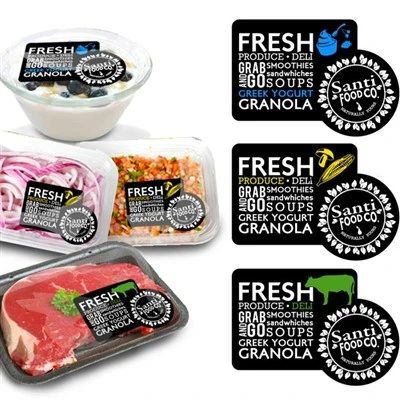
For brands developing packaging from scratch, [custom printed product labels] can be planned around the artwork, product positioning, and packaging requirements.
2. Confirm the Label Size and Shape
Label dimensions directly affect material usage, layout efficiency, and production planning. Before requesting a quotation, provide the label's width and height, diameter for round labels, or a drawing showing the required shape.
For labels applied to curved bottles or containers, also provide the approximate container dimensions or a sample photo. This helps the supplier assess how the label will fit the surface.
You should also confirm whether you need:
Rectangular, round, oval, or custom-shaped labels
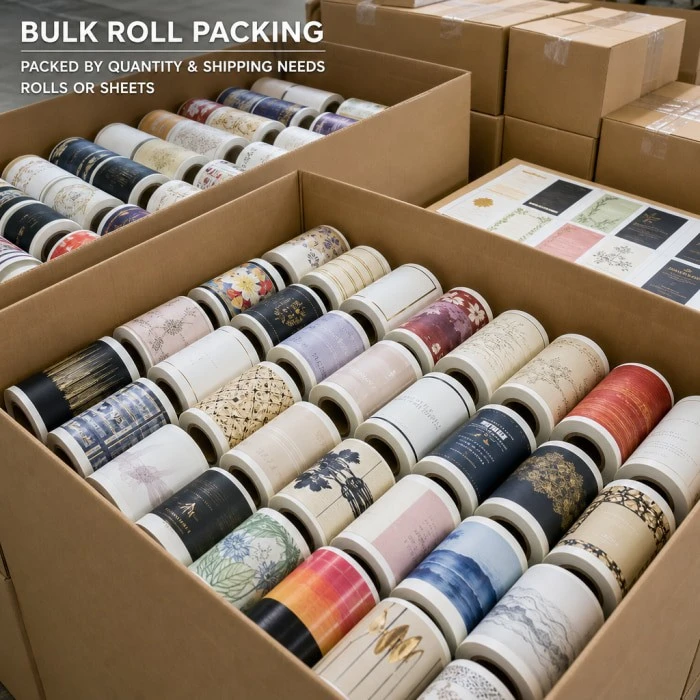
Individual stickers or labels supplied on rolls
A specific gap between labels
A particular roll direction or core size for automated labeling equipment
If the dimensions are not yet confirmed, provide the approximate size and explain how the label will be applied. The supplier can then advise whether a more precise measurement is needed before production.
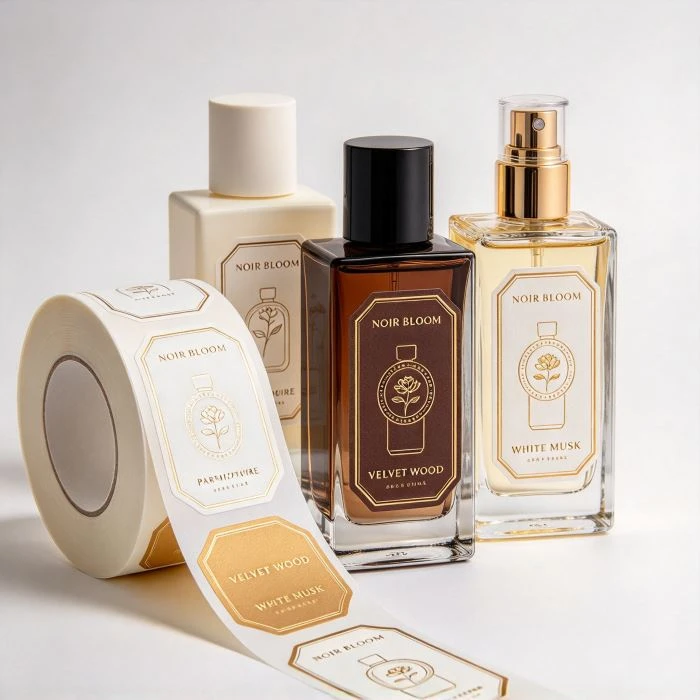
3. Specify the Order Quantity
Quantity is one of the most important factors in a label printing quote. The cost per label can change with the production process, setup requirements, material consumption, and order size.
When requesting a quotation, state the total quantity and the number of different designs or product variations.
For example, an order for 10,000 labels with one design is different from an order for 10,000 labels divided among five designs. Each version may require separate artwork preparation or production arrangements.
If you expect repeat orders, mention your estimated future demand. Your supplier may be able to compare suitable production options for your current order and longer-term requirements.
Also clarify whether the quantity refers to individual labels, rolls, sheets, or sets. This prevents confusion when comparing quotations from different suppliers.
4. Choose the Label Material
The right material depends on your packaging surface, appearance requirements, and operating environment. Providing a material preference helps the supplier evaluate the appropriate construction and production method.
Common options include:
| Material | Typical applications | Key consideration |
|---|---|---|
| Coated paper | Dry food packaging, retail products, general-purpose labels | Print quality and surface protection |
| Kraft paper | Coffee, handmade products, natural-style packaging | Texture and moisture exposure |
| BOPP film | Beverage bottles, food containers, personal-care packaging | Moisture resistance and surface compatibility |
| PET film | Selected durable labels and demanding applications | Temperature and durability requirements |
| Transparent film | Clear packaging and minimalist designs | Opacity, contrast, and possible white ink |
If you are unsure which material to choose, provide a photo of the package and describe its storage conditions.
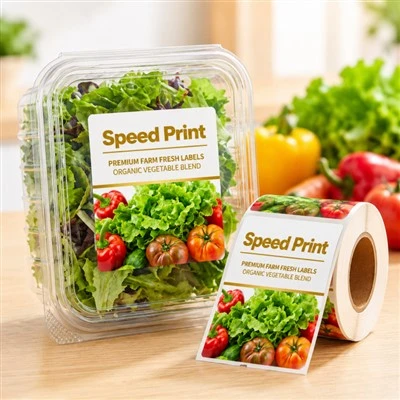
For food and beverage products, [custom food packaging labels] can be specified according to the container material, moisture exposure, and required appearance. If you are comparing paper options, our guide to [6 Types of Paper Label Materials and Their Best Uses] can help you understand the differences.
5. Explain Your Adhesive Requirements
The adhesive determines how the label attaches to the packaging surface and how well it performs under actual use conditions.
When requesting a quote, tell your supplier what the label will stick to, such as glass, cardboard, PET, PE, PP, or a flexible pouch. If the package will be refrigerated, frozen, exposed to water, or handled frequently, include those details as well.
Common adhesive options include:
Permanent adhesive: For labels intended to remain attached during normal use.
Removable adhesive: For applications where labels may need to be removed.
Cold-temperature adhesive: For suitable refrigerated or frozen applications.
High-tack adhesive: For selected difficult-to-bond surfaces, depending on compatibility.
Do not assume that one adhesive works equally well on every surface. A label applied to a clean glass jar may behave differently from one applied to a flexible plastic pouch.
For more guidance, read [8 Types of Adhesives for Stickers and Labels: How to Choose the Right One]. If you do not know which adhesive is appropriate, ask your supplier to recommend a suitable option and test samples on the actual package.
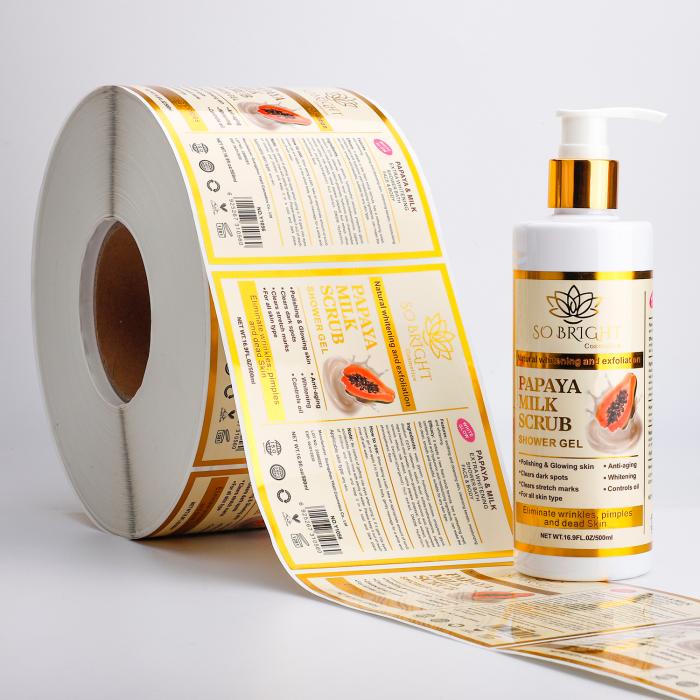
6. Describe Printing Methods and Surface Finishes
Printing methods and finishes affect both the appearance and the cost of your labels. If you have specific requirements, include them in your inquiry. If not, explain the desired result and let the supplier recommend a suitable process.
Common printing and finishing options include:
CMYK printing: Suitable for many multicolor designs, photographs, and gradients.
Pantone spot colors: Useful when selected brand colors require more controlled matching.
Gloss or matte finish: Changes the surface appearance and visual impression.
Lamination or varnish: Can provide additional surface protection, depending on the construction.
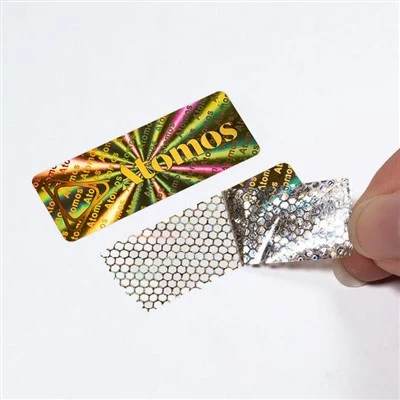
Foil stamping: Adds metallic decorative effects.
Embossing or debossing: Creates raised or recessed details.
Not every process is suitable for every material or order size. The final choice depends on the equipment, artwork, substrate, quantity, and desired result.
For example, a skincare brand may prefer matte labels with subtle metallic details, while a beverage label may prioritize colorful graphics and moisture resistance.
If you are unsure about color reproduction, our guide to [CMYK vs Pantone Printing: Which Is Better for Labels?] explains when each option may be appropriate.
7. Explain the Application Environment and Delivery Requirements
The application environment helps the supplier determine whether the label construction is suitable for real-world conditions.
Include details such as:
Whether the product is stored at room temperature, refrigerated, or frozen
Whether the label may encounter water, oil, friction, or chemicals
Whether the package is applied manually or by an automatic labeling machine
Whether the label must remain readable throughout the product's shelf life
Also provide your expected delivery date, destination country, and any special packaging or shipping requirements. If the labels will be used on an automated production line, specify the roll format, core size, and unwinding direction where applicable.
For cosmetics and personal-care products, [custom cosmetic bottle labels] may need to accommodate curved containers, moisture exposure, and specific visual requirements.
If the labels are intended for direct food contact, tell your supplier in advance. Do not assume ordinary label materials, inks, or adhesives are automatically suitable for direct contact with food. Applicable requirements and supporting documentation must be checked for the intended use.
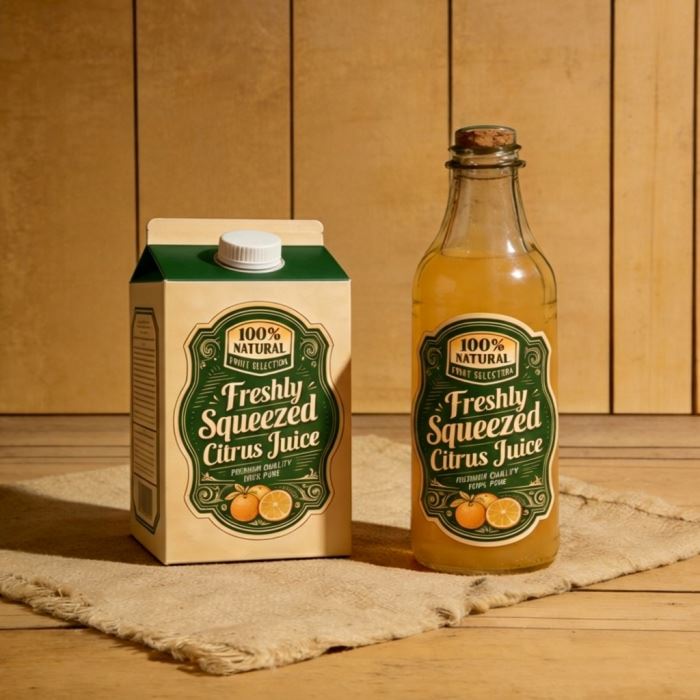
A Simple Checklist Before Requesting a Quote
Before sending your inquiry, check that you have prepared the following information:
- Artwork or reference image
- Label dimensions and shape
- Order quantity and number of designs
- Preferred material or packaging surface
- Adhesive requirements and storage conditions
- Printing method and surface finish, if known
Application method, delivery destination, and deadline
You do not need to know every technical specification before contacting a supplier. Providing the information you already have allows the supplier to identify what is missing and recommend appropriate options.
FAQ
Can I get a label printing quote without finished artwork?
Yes. You can provide a sketch, product photo, reference design, or preliminary dimensions. The quotation may be an estimate until the artwork and specifications are confirmed.
Which information affects the price most?
Quantity, dimensions, material, printing method, number of designs, and finishing requirements are common cost factors. Special adhesives, unusual shapes, and specific roll configurations may also affect the quotation.
Should I choose the material before requesting a quote?
Not necessarily. If you know the application environment and packaging surface, your supplier can recommend suitable materials. If you already have a preferred material, include it so the supplier can evaluate the request more precisely.
Can I request samples before placing a bulk order?
Ask your supplier whether material samples, printed proofs, or application samples are available. A sample can help you assess color, fit, adhesion, and surface appearance before approving production.
How can I compare quotations from different label suppliers?
Make sure each quotation uses the same size, quantity, material, adhesive requirements, printing method, finish, roll format, and delivery terms. Otherwise, the lowest price may not represent the same product specification.
Conclusion
A clear label printing quote begins with accurate project information. Providing your artwork, dimensions, quantity, material preference, adhesive requirements, finishing options, and application environment helps your supplier understand the job and recommend a suitable solution.
You do not need to decide every technical detail yourself. Start with your packaging requirements, explain the result you want, and ask your supplier to clarify any specifications that remain uncertain.
The more complete your initial inquiry is, the easier it becomes to compare quotations, evaluate samples, avoid production misunderstandings, and move toward a successful custom label order.