Summary
Choosing the right paper label materials affects print quality, readability, adhesion, and the overall appearance of product packaging. Coated paper labels are suitable for colorful graphics, writable paper labels work well for handwritten information, and kraft paper labels create a natural look. Metallic paper, thermal paper, and cast-coated paper serve more specialized purposes.
This guide compares six common paper label materials, explains their printing characteristics, and shows how to choose the right option for different products and working environments.
1. Coated Paper Labels: Best for Colorful Product Packaging
Coated paper labels have a treated surface that helps produce clear text, detailed graphics, and vibrant colors. Depending on the coating, the finished label may have a glossy or matte appearance.
Printing Effects
Gloss-coated paper creates a reflective surface that makes colors look bright and saturated. Matte-coated paper reduces glare and provides a more understated appearance. Both options can support logos, product information, illustrations, and decorative designs.
Because coated paper is available in different grades, the final print quality depends on the material specification and printing process.
Best Applications
Coated paper labels are commonly used for retail packaging, household products, promotional labels, and products stored in relatively dry environments.
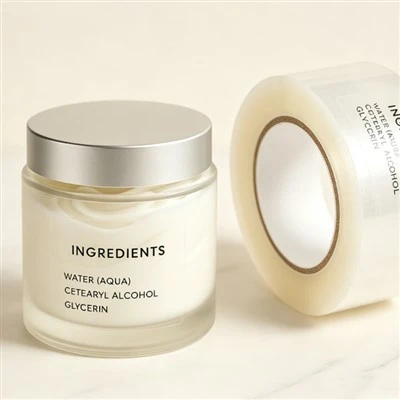
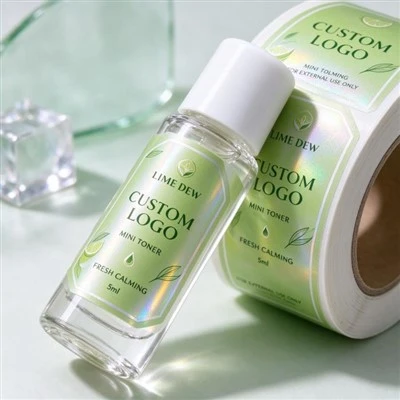
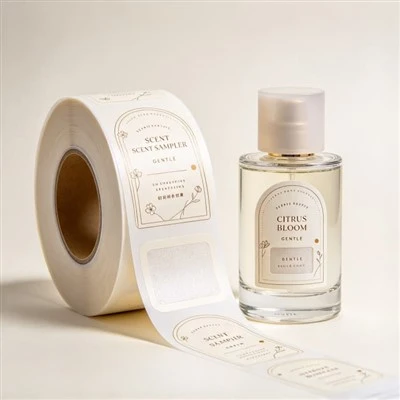
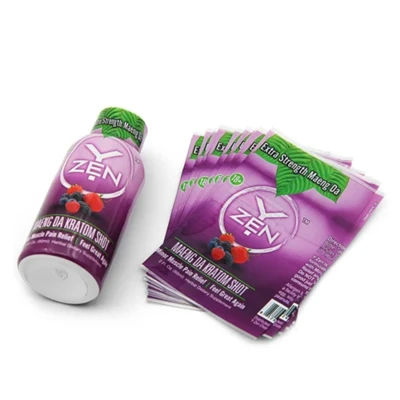
For example, a brand selling dry food products may use [custom printed paper labels] to display its logo, ingredients, product name, and decorative graphics. A skincare brand may also choose paper labels when it wants a traditional printed appearance rather than a transparent or plastic-film label.
When to choose it: Select coated paper labels when color presentation, image detail, and cost-effective customization are priorities.
Important consideration: Ordinary coated paper labels are not inherently waterproof. For products exposed to condensation, oil, or frequent handling, consider protective coatings or an appropriate synthetic label material.

2. Writable Paper Labels: Best for Handwritten Information
Writable paper labels are designed for applications where information may be added manually after printing. Their surfaces are generally less glossy than conventional coated labels, although the exact writing performance depends on the material and coating.
Printing Effects
These labels usually provide a clean, practical appearance. Printed text and basic graphics can remain easy to read, while the surface may allow users to write dates, batch numbers, prices, or other information.
However, not every uncoated paper label works equally well with every pen or marker. Ink drying time and smudging can vary.
Best Applications
Writable paper labels are useful for inventory management, warehouse identification, retail price marking, handmade products, and office organization.
For products that require handwritten batch details or storage information, [custom writable paper labels] can be designed in different sizes and shapes to suit the application.
They can also be useful for small businesses that need flexible labeling without printing every variable detail in advance.
When to choose it: Choose writable paper labels when manual marking is an important part of the labeling process.
Important consideration: Test the intended pen or marker before mass production. If the label will be exposed to moisture or abrasion, confirm whether additional protection is necessary.

3. Kraft Paper Labels: Best for Natural and Handmade Products
Kraft paper labels are recognized by their brown color and visible fiber texture. White kraft paper is also available. These materials are popular with brands that want a natural, rustic, or handcrafted appearance.
Printing Effects
Brown kraft paper works particularly well with black, dark green, dark brown, and other strong colors. Its natural background can make printed colors appear less vibrant than they would on white paper.
For designs that require bright white elements, a compatible white-ink printing process may be necessary.
Best Applications
Kraft paper labels are frequently used for coffee packaging, handmade soap, candles, craft products, gift packaging, and selected food products.
For example, a handmade candle brand may use [custom kraft paper labels] with minimalist typography and botanical illustrations to create a consistent natural look. Similarly, [custom candle labels] can be tailored to different fragrance collections, jar sizes, and packaging styles.
Kraft labels can also complement paper bags, cardboard boxes, and other packaging components when a brand wants a coordinated design.
When to choose it: Select kraft paper labels when texture and natural-looking branding matter more than high-gloss effects.
Important consideration: Standard kraft paper labels are not automatically waterproof or suitable for direct food contact. Choose the face material, adhesive, and protective finish according to the actual application.

4. Metallic Paper Labels: Best for Premium and Decorative Packaging
Metallic paper labels use a reflective paper surface to create gold, silver, or other metallic effects. They are an option for brands that want a decorative finish without relying entirely on conventional printed colors.
Printing Effects
Metallic paper reflects light, giving the label a shiny or premium appearance. The background can influence the appearance of printed colors, especially light shades and fine details.
The final result depends on the metallic surface, ink coverage, printing method, and any additional finishing processes.
Best Applications
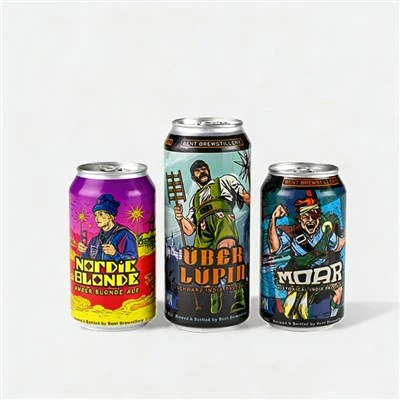
Metallic paper labels are commonly used for gift products, decorative packaging, selected beverage labels, fragrance packaging, and premium retail products.
For example, a perfume brand may choose [custom metallic labels] to complement a glass bottle and create a coordinated luxury presentation. Metallic labels can also be combined with suitable typography, decorative borders, or other compatible finishing techniques.
When to choose it: Choose metallic paper when a reflective gold or silver appearance is central to the product design.
Important consideration: Metallic paper labels are not automatically waterproof or resistant to scratching. If durability matters, confirm the surface protection and adhesive specifications.

5. Thermal Paper Labels: Best for Fast Printing and Variable Data
Thermal paper labels are designed for printers that create images using heat. Direct thermal labels do not require a separate ribbon, making them convenient for applications involving variable information.
It is important to distinguish direct thermal labels from thermal transfer labels. Thermal transfer printing uses a ribbon and can be used with different label face materials, including paper.
Printing Effects
Direct thermal printing typically produces black text, barcodes, and simple graphics. It is well suited to variable information that changes from one label to another, rather than full-color decorative artwork.
Best Applications
Thermal labels are widely used for shipping labels, warehouse identification, retail receipts, inventory tracking, and logistics operations.
Businesses handling frequent shipments may use [custom thermal shipping labels] in compatible sizes and formats to print addresses, barcodes, and tracking information efficiently.
For warehouse and distribution teams, the main advantages are printing convenience and the ability to update information as orders are processed.
When to choose it: Select direct thermal labels when fast, on-demand printing of text and barcodes is more important than long-term color stability.
Important consideration: Ordinary direct thermal labels can darken or fade when exposed to heat, sunlight, friction, or certain chemicals. For longer-lasting labels, consider a suitable thermal transfer solution or another compatible material.

6. Cast-Coated Paper Labels: Best for a High-Gloss Finish
Cast-coated paper labels have a highly polished surface designed to deliver a strong glossy appearance. They are often chosen when a bright, smooth finish is an important part of the packaging design.
Printing Effects
The polished surface can make printed colors appear vivid and help product graphics stand out. Compared with ordinary matte paper labels, cast-coated labels create a more reflective appearance.
They are particularly suitable for designs that use bright colors, clean typography, and high-contrast graphics.
Best Applications
Cast-coated paper labels can be used for selected retail packaging, decorative product labels, gift products, and packaging that needs a glossy printed surface.
For example, a brand that wants a bright finish for dry-product packaging may consider [custom glossy paper labels] to coordinate its logo, product name, and visual identity.
When to choose it: Choose cast-coated paper labels when a smooth, high-gloss surface is a key design requirement.
Important consideration: A glossy surface does not automatically make a paper label waterproof. Confirm the material's resistance to moisture, abrasion, and handling before using it in demanding environments.

7. Understanding the Three Layers of a Self-Adhesive Paper Label
A self-adhesive paper label usually consists of three main components: the face material, the adhesive, and the release liner. Each layer affects the finished label's performance.
Face Material
The face material is the printable top layer. It determines the label's texture, color, gloss level, and suitability for different printing methods.
Coated paper, writable paper, kraft paper, metallic paper, thermal paper, and cast-coated paper offer different combinations of appearance and function.
Adhesive
The adhesive attaches the label to the product surface. Depending on the application, options may include permanent, removable, or other specialized adhesives.
For example, a label for a smooth glass jar may require a different adhesive specification from one applied to textured cardboard or a flexible plastic bottle.
Before selecting a label, consider the surface material, temperature, moisture, application speed, and expected service life.
Release Liner
The release liner supports the label before application and allows it to be removed from the backing. Paper release liners and film release liners are both available.
The liner choice can affect dispensing, die-cutting, and application performance, particularly when labels are applied automatically.
For a more reliable result, choose all three components together rather than selecting the face paper alone.
8. How to Choose the Right Paper Label Material
Paper labels are only one part of the wider world of printing materials. If you are comparing paper for labels, brochures, packaging inserts, or premium printed products, our guide to [Printing Paper Types: Best Materials for Different Applications] provides a broader overview of common paper stocks, their visual effects, and the applications they suit best.
Different applications require different combinations of print quality, surface appearance, adhesive performance, and durability.
| Application | Recommended material | Main advantage |
|---|---|---|
| Dry food and retail packaging | Coated paper | Clear graphics and attractive colors |
| Inventory and price marking | Writable paper | Convenient manual marking |
| Coffee, candles, and handmade soap | Kraft paper | Natural, rustic appearance |
| Premium gift and fragrance packaging | Metallic paper | Reflective decorative finish |
| Shipping and warehouse operations | Thermal paper | Convenient variable-data printing |
| Glossy retail packaging | Cast-coated paper | Smooth, high-gloss appearance |
These recommendations are general guidelines. The right choice depends on the actual product, packaging surface, storage conditions, printing method, and budget.
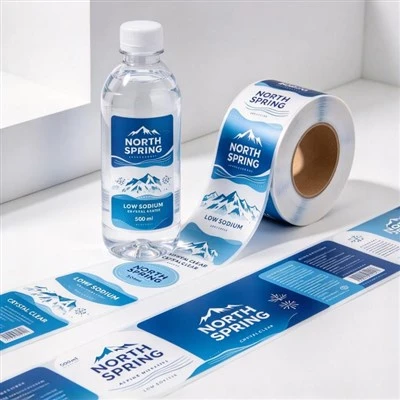
If your product needs water resistance, [custom waterproof product labels] made from suitable film materials may be more appropriate than ordinary paper labels.
For products that require a transparent appearance or a durable film surface, [custom BOPP labels] are another option to evaluate. BOPP is a polypropylene film rather than a paper material, so it should be compared separately when assessing label performance.
9. Common Mistakes When Choosing Paper Label Materials
Choosing by Appearance Alone
A label may look attractive but still perform poorly in its intended environment. A kraft paper label may suit a candle jar aesthetically, for example, but condensation or frequent handling could require a different construction or protective finish.
Ignoring the Adhesive
Even high-quality face paper can fail if the adhesive is unsuitable for the container. Glass, cardboard, untreated plastics, and curved bottles can require different adhesive properties.
Overlooking the Printing Process
Not all paper label materials are compatible with every printer. Coating, absorbency, thickness, and surface treatment can affect print quality. Confirm compatibility before production.
Skipping Sample Testing
Samples help you evaluate color, writing performance, adhesion, dispensing, and the finished appearance. Testing is particularly important when switching materials or applying labels to a new container.
For additional guidance, review [how to test label adhesive before mass production] before confirming a large order.
FAQ
What is the most common material for paper labels?
Coated paper is a common choice for general-purpose printed labels because it offers a smooth surface and good color reproduction. Writable paper and kraft paper are also widely used for applications with specific functional or visual requirements.
Are paper labels waterproof?
Ordinary paper labels are generally less resistant to water than suitable synthetic film labels. Protective coatings can improve resistance, but performance depends on the complete label construction, including the face material, adhesive, and finish.
What is the difference between coated paper and cast-coated paper labels?
Both have treated surfaces, but cast-coated paper is designed to achieve a particularly polished, high-gloss finish. Standard coated paper is available in a broader range of surface appearances, including matte and glossy finishes.
Can kraft paper labels be used on glass bottles?
Yes. Kraft paper labels can be applied to glass bottles when the adhesive is compatible with the surface and application conditions. If the bottle will be refrigerated or exposed to condensation, additional material and adhesive testing is recommended.
Which label material is best for shipping?
Direct thermal labels are often convenient for shipping because they support on-demand printing of addresses and barcodes. For applications requiring greater durability, the printing technology and material should be selected according to the shipping conditions.
Conclusion
Selecting the right paper label materials involves more than choosing a color or texture. Coated paper is suitable for colorful packaging, writable paper supports manual information, kraft paper creates a natural appearance, metallic paper adds reflection, thermal paper supports variable-data printing, and cast-coated paper delivers a high-gloss finish.
By considering the product's environment, printing process, adhesive requirements, and desired appearance, buyers can select labels that perform reliably and present the brand effectively. Reviewing material samples before mass production is a practical way to reduce uncertainty and achieve a better result.
References
Avery: Label Materials and Applications
UPM Raflatac: Labeling Materials
FedEx: Shipping Label Guidance