Introduction
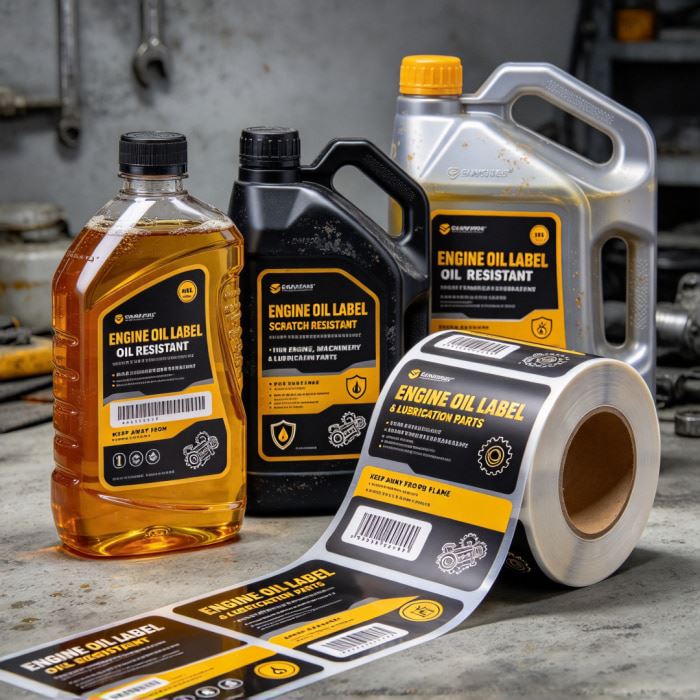
Labels used on machinery, electronic equipment, bottles, and industrial packaging may face conditions that ordinary paper labels cannot withstand. High temperatures can weaken adhesives or damage the label surface, while moisture can cause edges to lift, ink to fade, or paper materials to lose their strength. Choosing heat and moisture resistant labels therefore requires more than selecting a material described as durable.
The final performance depends on three main factors: the face material, the adhesive, and the surface finish. The surface receiving the label, the length of exposure, and the combination of heat and humidity also affect the result.
Whether you need warning labels for equipment or product labels for containers exposed to condensation, this guide explains what to consider before choosing a label construction and how to test it under actual working conditions.
1. What Happens to Labels at High Temperatures?
Heat can affect both the label material and the adhesive that holds it in place. However, different materials respond differently, and the maximum usable temperature depends on the specific material grade and adhesive system.
Common heat-related problems include:
Adhesive softening: Some adhesives may soften at elevated temperatures, allowing the label to shift or lift.
Adhesive degradation: Prolonged heat exposure may reduce bonding strength or affect long-term adhesion.
Material deformation: Certain films may shrink, curl, or change shape under unsuitable conditions.
Print damage: Inks, coatings, and printed information may deteriorate when exposed to excessive heat.
Loss of legibility: Warning symbols, serial numbers, and operating instructions may become difficult to read.
A label intended for a room-temperature product may not be suitable for a hot machine housing or equipment installed near a heat source.
Before requesting a quotation, identify the normal operating temperature, the highest temperature the label may encounter, and how long the exposure lasts. Also clarify whether the label is applied before the equipment heats up or after the surface is already hot. These conditions can require different adhesive properties.
2. Which Materials Are Suitable for Heat and Moisture Exposure?
No single face material is ideal for every environment. The following materials are common starting points, but the exact performance must be verified against the supplier's technical specifications.
PET Film Labels
PET, or polyester film, is often considered for durable equipment labels because suitable grades can provide good dimensional stability, durability, and resistance to moisture.
PET is used for selected electronic equipment labels, identification labels, control-panel markings, and warning labels. However, PET alone does not guarantee high-temperature performance. The adhesive, ink system, coating, and complete label construction must also suit the application.
For equipment identification or warning applications, [custom durable equipment labels] can be specified according to the operating temperature, substrate, and required service life.
BOPP Film Labels
BOPP is commonly used for packaging labels where moisture resistance and good print appearance are important. It is often suitable for beverage bottles, food containers, and personal-care packaging.
BOPP may be a practical option when labels encounter condensation or occasional water exposure, provided the selected adhesive and printing system are compatible with the conditions.
However, standard BOPP packaging labels should not automatically be treated as suitable for high-temperature industrial equipment. Confirm the actual temperature range with the supplier before use.
For bottles and containers exposed to moisture, [custom waterproof BOPP labels] can be evaluated based on the container material, storage conditions, and application process.
Polyimide and Other Specialty Films
Certain specialty films, including polyimide, are designed for demanding temperature conditions and are used in selected electronics and industrial processes.
These materials may be appropriate for applications involving high-temperature processing, but suitability depends on the specific product construction, adhesive, and duration of exposure. They are not automatically the best choice for every warning label or machine surface.
When working with specialty materials, request the manufacturer's technical data and confirm that the complete label-not just the film-meets the required conditions.
Paper Labels With Protective Finishes
Paper labels can work well in many indoor applications, but ordinary paper may absorb moisture, wrinkle, tear, or lose its appearance when exposed to wet conditions.
A protective coating or laminate may improve resistance to surface moisture and abrasion, but it cannot turn every paper label into a waterproof or high-temperature label.
For environments with frequent moisture exposure, a suitable film construction may be a better starting point than standard paper.
3. Why the Adhesive Matters as Much as the Face Material
A durable face material cannot compensate for an adhesive that is unsuitable for the application. If the adhesive loses its bonding strength, the label may peel away even when the printed surface remains intact.
When selecting an adhesive, consider the following factors.
Application Surface
Adhesion can vary between glass, painted metal, stainless steel, ABS plastic, polyethylene, and polypropylene. Surface texture, surface energy, contamination, and curvature can all affect bonding.
A label that adheres well to a clean metal panel may not perform equally well on a low-surface-energy plastic housing.
Application Temperature
Some adhesives require a minimum application temperature to form a reliable bond. Applying a label to a surface that is too cold, hot, wet, or contaminated can affect adhesion.
Always check the recommended application conditions rather than relying only on the adhesive's stated service-temperature range.
Long-Term Temperature Exposure
The temperature at which a label is applied may differ from the temperature it experiences during use. The adhesive must be suitable for both the application process and the expected operating conditions.
Ask your supplier to clarify whether the specified temperature range refers to application, continuous service, or short-term exposure.
Moisture and Humidity
Water exposure can affect the label-substrate interface, especially when moisture reaches the adhesive through exposed edges or an unsuitable surface construction. High humidity can also affect certain paper materials.
If the label will be exposed to repeated condensation, cleaning, or direct water contact, explain those conditions when requesting a quotation.
For a broader comparison of adhesive options, read [8 Types of Adhesives for Stickers and Labels: How to Choose the Right One].
4. Can Surface Finishes Improve Label Durability?
Yes, a suitable surface finish can improve certain aspects of label performance, but its benefits depend on the finish and the type of exposure.
Protective Lamination
Lamination adds a protective film over the printed surface. Depending on the materials used, it can improve resistance to abrasion, handling, and surface moisture.
However, lamination does not automatically make a label suitable for continuous immersion, strong chemicals, or high temperatures. The laminate, adhesive, face material, and printing system must be compatible with the intended environment.
Protective Varnish or Coating
A suitable varnish or coating can help protect printed graphics from routine handling and some forms of surface exposure. The level of protection depends on the formulation and application.
It is important to distinguish resistance to occasional splashes from resistance to prolonged moisture or repeated cleaning.
Printing and Ink Selection
The ink system must be suitable for the face material and operating conditions. High temperatures, cleaning agents, friction, and sunlight can affect printed information differently.
For warning labels, product identification, and safety instructions, print durability is especially important because the information must remain legible throughout the intended service life.
For projects requiring both visual quality and functional durability, [custom industrial warning labels] can be specified with suitable printing, materials, and protective finishes.
5. What About Labels for Bottles and Products Exposed to Condensation?
Moisture resistance is not limited to industrial equipment. Beverage bottles, refrigerated food containers, skincare products stored in humid bathrooms, and cleaning-product packaging may all experience water or condensation.
For these applications, consider the complete environment rather than simply choosing a label advertised as waterproof.
For example:
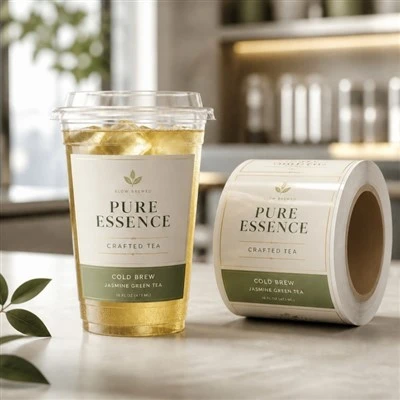
Refrigerated beverage bottles: Condensation can form on the container and affect label adhesion.
Food jars: Water exposure during storage or handling may affect exposed edges.
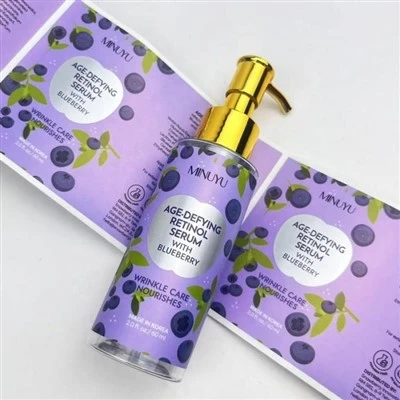
Personal-care bottles: Repeated contact with water, oils, or product residue can influence label appearance and adhesion.
Cleaning-product containers: The label may encounter moisture and chemicals, requiring additional compatibility checks.
For suitable packaging applications, [custom waterproof product labels] can be evaluated according to the container material, exposure conditions, and required appearance.
Remember that water resistance and heat resistance are separate properties. A label may perform well in wet conditions but fail at elevated temperatures, or tolerate heat while performing poorly under prolonged moisture exposure.

6. How to Test Labels Under Real Working Conditions
The most reliable way to assess performance is to test the complete label construction under conditions that represent actual use.
Step 1: Prepare the Correct Substrate
Use the actual packaging or equipment surface whenever possible. If a substitute is necessary, choose one with comparable surface properties.
Clean and prepare the surface according to the adhesive manufacturer's instructions. Oil, dust, moisture, and cleaning residues can affect results.
Step 2: Apply the Label Correctly
Follow the recommended application temperature, pressure, and dwell time. Some adhesives need time to build up their full bond, so immediate testing may not reflect long-term performance.
Step 3: Reproduce the Expected Environment
Expose the sample to the relevant temperature and humidity conditions. If the label will encounter both heat and moisture, test the combination rather than evaluating only one factor.
Include realistic conditions such as temperature changes, condensation, cleaning, or handling where relevant.
Step 4: Check the Label After Exposure
Inspect the sample for:
Edge lifting or complete detachment
Wrinkling, shrinking, or deformation
Adhesive leakage or loss of bonding strength
Ink fading, smearing, or loss of legibility
Changes in the surface finish
Record the exposure conditions and compare the results against your application requirements.
Step 5: Define Acceptance Criteria
Decide what constitutes acceptable performance before testing. For example, a warning label may need to remain firmly attached and legible, while a decorative packaging label may have different appearance requirements.
For critical industrial or safety applications, use relevant industry standards and qualified testing procedures where required. A simple in-house test is useful for screening options but does not replace formal validation when compliance is necessary.

FAQ
Can ordinary paper labels withstand high temperatures?
Some paper label constructions may tolerate limited heat exposure, but ordinary paper labels are not automatically suitable for high-temperature applications. The adhesive, ink, coating, and exposure duration must be evaluated together.
Are PET labels always heat resistant?
No. PET is often used for durable labels, but the temperature performance depends on the specific film grade and the rest of the label construction. Check the technical data for the complete label.
Does waterproof labeling mean it can withstand high humidity and heat?
Not necessarily. Water resistance, humidity resistance, and heat resistance are different properties. A label must be tested against the actual combination of conditions it will encounter.
What information should I provide when requesting a quote?
Provide the application surface, normal and maximum operating temperatures, exposure duration, moisture conditions, label dimensions, quantity, preferred material, and any required finish. If the label is used on equipment, a photo and description of the working environment can help the supplier recommend suitable options.
Should I test the adhesive separately or test the complete label?
Test the complete label on the intended surface whenever possible. The face material, adhesive, printing, and protective finish work together, so testing only the adhesive may not reveal problems with the finished product.
Conclusion
Labels exposed to high temperatures and humid environments need a construction that matches their actual working conditions. PET, BOPP, specialty films, appropriate adhesives, and protective finishes can all play a role, but none should be selected based on material name alone.
Before placing an order, confirm the operating temperature, moisture exposure, application surface, and expected service life. Then test the complete label under representative conditions to verify adhesion, appearance, and readability.
A careful selection and testing process can help reduce label failure, protect important product information, and improve performance throughout the label's intended use.