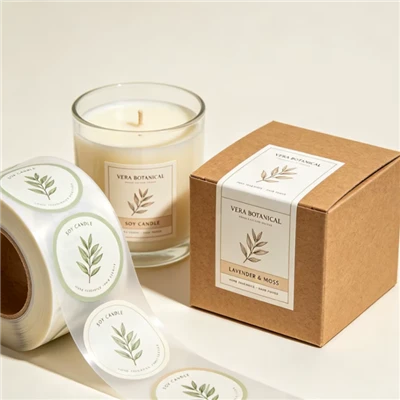
When developing new product packaging, choosing the right printing method can directly affect label quality, production cost, and time to market. Many brands compare UV digital printing with traditional label printing because both methods can produce high-quality packaging labels, but they are designed for different production needs.
For companies launching new products, managing multiple SKUs, or frequently updating packaging designs, printing flexibility has become increasingly important. Digital label printing allows manufacturers to produce detailed artwork, variable designs, and smaller quantities without the same preparation requirements as many traditional processes. louisvillelabel.com
However, traditional printing methods still provide advantages for large-volume production where designs remain unchanged for long periods. Understanding the differences between UV digital printing and traditional label printing helps brands choose a solution based on their actual packaging goals rather than simply comparing unit prices.
This article explains how these two printing methods work, their advantages, limitations, and which applications are better suited for each option.

Understanding UV Digital Printing and Traditional Label Printing
The biggest difference between UV digital printing and traditional printing is how the artwork is transferred onto the label material.
UV digital printing uses digital files sent directly to the printing equipment. Instead of creating printing plates, the machine prints the design directly onto the label material and uses ultraviolet light to instantly cure the ink. This process allows manufacturers to produce sharp details, vibrant colors, and customized designs with fewer preparation steps. haotiancorp.com
Because no physical plates are required, digital label printing is especially suitable for short and medium production runs, product testing, seasonal packaging, and brands that need frequent design updates.
Traditional label printing, including processes such as offset printing and flexographic printing, usually requires preparation steps such as plate making, color adjustment, and machine setup before production begins. These methods are highly efficient for large-volume orders because the initial setup cost can be spread across a large quantity of labels. Gulmen Digital
For brands producing millions of identical labels with stable artwork, traditional printing can still be an economical choice. However, for businesses that need flexibility and faster turnaround, UV digital technology provides a different advantage.
UV Digital Printing vs Traditional Printing: Key Differences
| Comparison | UV Digital Printing | Traditional Label Printing |
|---|---|---|
| Printing preparation | Digital file directly printed | Usually requires plates or setup |
| Best quantity range | Small to medium batches | Large-volume production |
| Design changes | Easy to update | Changes may require additional setup |
| Color flexibility | Suitable for complex artwork | Excellent for fixed designs |
| Variable data | Easy to achieve | More limited |
| Production speed | Faster for short runs | Better for high-volume orders |
| Customization | Very flexible | More suitable for standardized products |
The right choice depends on the relationship between quantity, design complexity, and production requirements.
When Should Brands Choose UV Digital Printing?
For many modern brands, packaging changes frequently. New flavors, limited editions, seasonal promotions, and regional versions often require different label designs.
In these situations, UV digital printing provides several advantages.
One major benefit is design flexibility. Brands can modify artwork without creating new printing plates, making it easier to test new packaging concepts before committing to large quantities.
For example, a beverage company launching three new flavors may need different colors and graphics for each bottle. With digital printing, each version can be produced more efficiently compared with traditional methods that require additional preparation.
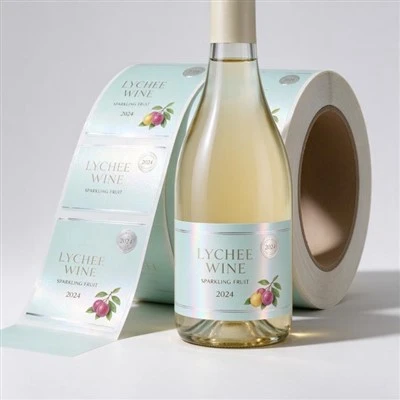
UV digital printing is also valuable for premium packaging projects where image quality matters. Products such as cosmetics, skincare, specialty food, and luxury beverages often rely on detailed graphics, gradients, and high-resolution images to attract customers.
For these applications, brands often combine digital printing with materials and finishing options such as:
to create packaging that matches their brand positioning.
Another advantage is sampling. Before a large production order, brands can create realistic samples to evaluate colors, material appearance, and overall packaging performance.

When Is Traditional Label Printing a Better Choice?
Although digital technology has developed quickly, traditional printing remains important in many packaging industries.
When a product has stable demand and requires very high quantities, traditional printing can offer better cost efficiency.
For example:
A beverage company producing millions of bottles with the same label design
A food manufacturer with long-term product lines
A household product brand with fixed packaging
In these cases, the setup cost becomes less significant because it is distributed across a larger production volume.
Traditional printing methods also work well when brands require specific spot colors, consistent reproduction over long runs, or specialized production processes.
The goal is not to decide that one printing method is better than another. Instead, brands should select the technology that matches their business model.
How to Choose the Right Printing Method for Custom Labels
When selecting a printing method, purchasing teams should consider several practical factors.
Order Quantity
Quantity is often the first consideration.
For smaller orders, product testing, or multiple SKU projects, digital label printing can reduce preparation costs and improve flexibility.
For very large quantities with unchanged artwork, traditional printing may provide better cost advantages.
Design Frequency
Brands that frequently update packaging should consider how often artwork changes.
Seasonal products, limited editions, promotional packaging, and new product launches usually benefit from digital production.
Product Positioning
Premium brands often require more than basic printing. They may need high-resolution graphics, special finishes, or unique visual effects.
Combining printing technology with options such as:
or
【Embossing and Debossing Labels】
can create a stronger shelf presence.
Material Requirements
Different label materials may require different printing considerations.
Transparent films, textured materials, and specialty packaging may need testing before mass production to confirm ink adhesion and appearance.
You can also learn more about different printing options through:
【UV Digital Printing: How This Advanced Printing Technology Works】
which explains the technology, production process, and common applications.

UV Digital Printing Applications in Packaging
Today, UV digital printing is widely used across many industries because brands increasingly need flexible packaging solutions.
Cosmetic and Personal Care Products
Cosmetic packaging often changes quickly because brands launch new products, collections, and seasonal designs.
Digital printing allows companies to create premium-looking labels with detailed graphics and consistent color performance.
Food and Beverage Packaging
Food and beverage companies often require multiple product versions, promotional labels, or limited-edition packaging.
Digital printing supports these changing requirements without requiring large inventory quantities.
Specialty and Small Batch Products
Craft beverages, handmade products, and emerging brands often start with smaller production volumes.
For these businesses, custom printed labels created through digital technology can provide professional packaging without excessive upfront costs.
Common Mistakes When Choosing a Printing Method
Some buyers focus only on the lowest label price and ignore the total production value.
A cheaper printing method may become more expensive if:
Too many labels become outdated
Product designs change frequently
Large inventory must be stored
New versions require additional setup
The best printing decision considers the entire packaging lifecycle.
Brands should evaluate:
Current order quantity
Future growth
Design changes
Material requirements
Delivery schedule
Required finishing effects
A professional label supplier can help recommend the right balance between quality, flexibility, and cost.

FAQ About UV Digital Printing and Traditional Label Printing
1. Is UV digital printing better than traditional printing?
Neither method is universally better. UV digital printing is often better for flexible production, smaller quantities, and frequently changing designs. Traditional printing is usually more suitable for very large quantities with stable artwork.
2. Is UV digital printing suitable for product labels?
Yes. UV digital printing is widely used for custom packaging labels, especially when brands require detailed graphics, multiple designs, or shorter production runs.
3. Does digital label printing cost more?
The cost depends on quantity, materials, and design requirements. Digital printing may have advantages for small and medium orders because it avoids some setup costs.
4. Which printing method is better for cosmetic labels?
Many cosmetic brands choose digital printing because it supports premium graphics, frequent product updates, and customized packaging designs.
5. Can UV digital printing be used with special finishes?
Yes. UV digital printing can be combined with various finishing techniques, including gloss effects, matte finishes, metallic effects, and tactile elements depending on the label construction.
6. How do I choose the right label printing process?
Consider your quantity, artwork changes, material requirements, budget, and product positioning. The right label printing process should support both your current needs and future product plans.
Conclusion
Choosing between UV digital printing and traditional label printing depends on your product strategy, order quantity, and packaging goals.
UV digital printing provides excellent flexibility for brands that need customized designs, faster sampling, multiple SKUs, and premium visual effects. Traditional printing remains a strong option for large-volume products with stable designs.
For modern brands, the best solution is not always choosing the cheapest printing method. It is choosing a printing process that supports product growth, reduces unnecessary costs, and creates packaging that represents the brand effectively.
SpeedPrint provides customized label printing solutions for food, beverage, cosmetics, and various packaging applications. By combining advanced printing technology with professional material selection and finishing options, brands can create labels that meet both visual and functional requirements.
References
Avery Dennison Label Materials and Printing Solutions
UPM Raflatac Pressure Sensitive Label Materials
GS1 Packaging and Product Identification Standards