Introduction
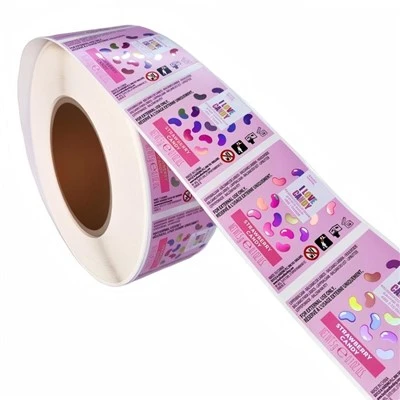
With the increasing demand for personalized packaging, short-run production, and high-quality visual effects, traditional label printing methods are no longer the only choice for brands. UV Digital Printing has become one of the important technologies in modern label production because it combines digital flexibility with excellent print quality and strong durability.
Unlike traditional printing methods that require plates and longer preparation time, UV digital printing uses digital files to directly print designs onto label materials. The printed ink is instantly cured by ultraviolet light, creating a stable, durable, and visually impressive surface.
This technology is widely used for packaging labels, premium product labels, industrial labels, and customized stickers because it can produce vibrant colors, fine details, and special visual effects while supporting flexible production.
For brands looking for unique packaging solutions, 【custom printed labels】 using UV digital printing can help improve product appearance and market competitiveness.

What Is UV Digital Printing?
UV Digital Printing is a digital printing technology that uses special UV-curable inks combined with ultraviolet light curing technology.
The basic working principle is different from traditional printing. Instead of transferring ink through plates, UV digital printers receive artwork directly from a digital file and precisely spray tiny ink droplets onto the label surface through print heads.
After the ink is applied, UV light immediately cures the ink, turning it from a liquid state into a solid and durable layer.
This curing process provides several advantages:
Faster production speed
Clear and sharp images
Strong color performance
Better resistance to scratching and moisture
Ability to print on various materials
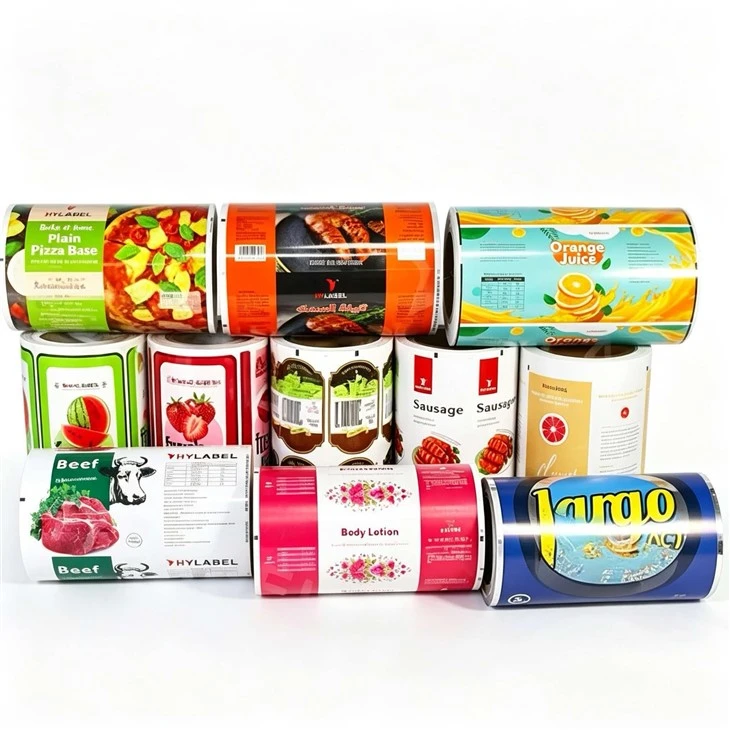
UV digital printing technology is especially suitable for modern label production because brands increasingly require more product variations, smaller quantities, and faster delivery.
How Does UV Digital Printing Work?
The UV digital printing process involves several important steps.
First, the customer's artwork is converted into a digital printing file. Unlike offset or flexographic printing, there is no need to create printing plates, which reduces preparation time and makes design changes easier.
During printing, the printer head precisely deposits UV ink onto the label material. The ink contains special components called photoinitiators, which react when exposed to ultraviolet light.
Immediately after printing, UV lamps or UV LED curing systems emit ultraviolet energy, causing the ink to harden quickly and form a solid printing layer.
After curing, the labels can continue with additional processes such as:
Die cutting
Lamination
Roll finishing
Inspection
Packaging
Because the ink cures almost instantly, there is less waiting time compared with conventional drying methods.
What Effects Can UV Digital Printing Create?
One of the biggest advantages of UV digital printing is the combination of visual quality and functional performance.
The technology can create highly detailed images with smooth gradients, sharp text, and strong color contrast.
For brands, this means packaging designs can include:
Complex graphics
Product images
Small text details
QR codes
Barcodes
Variable information
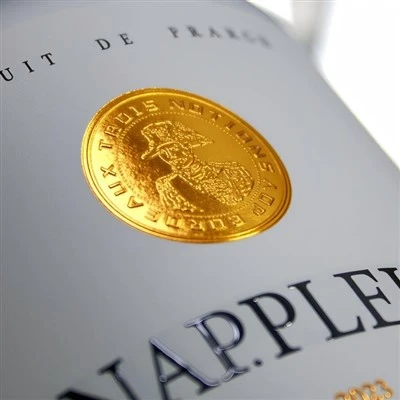
UV printing also creates a slightly raised ink effect because the cured ink forms a solid layer on the surface. This can provide a unique tactile feeling compared with traditional flat printing.
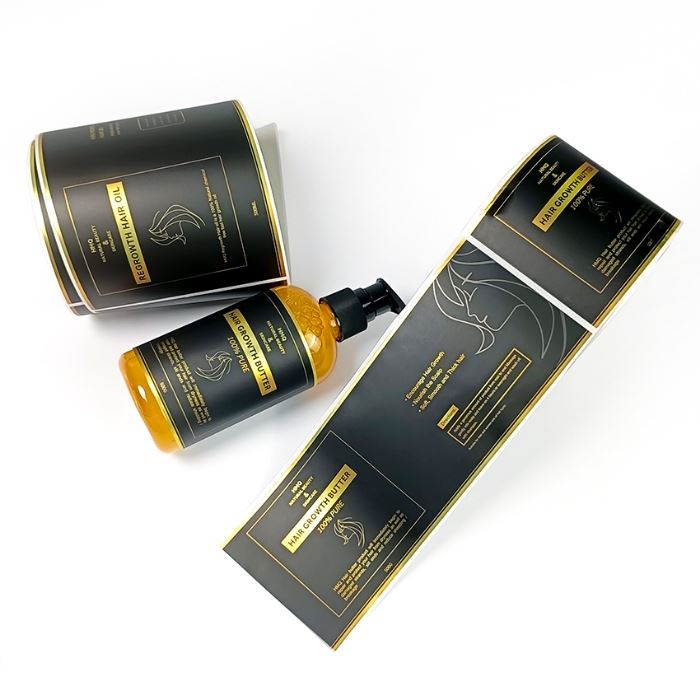
For premium packaging, UV digital printing can also be combined with finishing processes such as:
Matte coating
Gloss coating
Embossing
Foil stamping
These combinations help create more attractive packaging and stronger shelf presence.
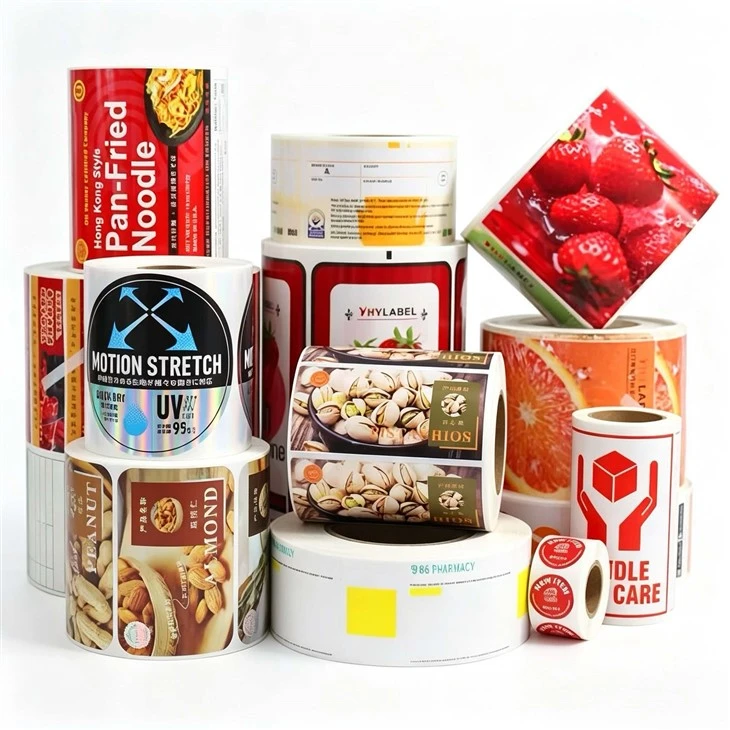
Brands that require flexible designs can choose 【digital printed labels】 to achieve high-quality results without the limitations of traditional printing setup.
Advantages of UV Digital Printing for Labels
UV digital printing has become increasingly popular because it solves many challenges faced by modern brands.
One major advantage is production flexibility.
Traditional printing methods are often more cost-effective for very large quantities, but they require more preparation. UV digital printing does not require printing plates, making it suitable for:
Small and medium production runs
Multiple product versions
Seasonal packaging
Limited edition products
This allows brands to test new products and update packaging designs more easily.
Another important advantage is print durability.
UV-cured inks create a strong surface layer that provides good resistance against:
Water
Scratching
Fading
Daily handling
This makes UV digital printing suitable for products where labels need to maintain appearance throughout transportation and usage.
UV Digital Printing Compared with Traditional Printing
Different printing technologies have different advantages.
Traditional methods such as flexographic printing and offset printing remain excellent choices for large-volume production because they provide stable quality and efficiency.
However, UV digital printing offers advantages in flexibility and customization.
Compared with traditional printing:
UV Digital Printing:
No printing plates required
Faster artwork changes
Suitable for variable data
Better for short runs
Supports personalized designs
Traditional Printing:
Better cost efficiency for very high quantities
Stable output for long production runs
Suitable for standardized products
The right choice depends on the product requirements, order quantity, design complexity, and budget.
For companies that need both quality and flexibility, 【digital label printing】 has become an important solution in modern packaging production.
Materials Suitable for UV Digital Printing
One reason UV digital printing is widely used is its compatibility with different label materials.
Common materials include:
BOPP Film
BOPP provides good moisture resistance and durability, making it suitable for:
Food labels
Beverage labels
Cosmetic packaging
PET Film
PET offers excellent strength and chemical resistance, making it suitable for:
Industrial labels
Healthcare packaging
Products requiring higher durability
PVC Film
PVC provides flexibility and can adapt well to curved surfaces.
Paper Labels
Paper materials can also be used when brands require a traditional appearance or cost-effective solution.
The final result depends not only on the printing technology but also on the combination of material, adhesive, and application environment.
Applications of UV Digital Printing
UV digital printing is used across many industries because of its flexibility and high-quality output.
Cosmetics and Beauty Products
Cosmetic brands often rely on packaging appearance to attract customers.
UV digital printing can produce:
Bright colors
Fine patterns
Premium textures
High-end visual effects
It is commonly used for:
Skincare labels
Makeup packaging
Personal care products
For beauty brands focusing on packaging differentiation, 【cosmetic labels】 with UV printing effects can enhance product presentation.
Food and Beverage Products
Food and beverage packaging requires both attractive design and reliable performance.
UV digital printing can support:
Colorful product graphics
Brand consistency
Durable label surfaces
Common applications include:
Beverage bottles
Food containers
Specialty products
Healthcare and Pharmaceutical Products
Healthcare products often require clear information and high-quality printing.
UV digital printing can provide:
Sharp text
Clear barcodes
Stable graphics
This makes it suitable for:
Healthcare packaging
Supplement labels
Medical products
Industrial Products
Industrial labels often need to withstand harsh environments.
UV digital printing can provide durable printing performance for:
Equipment labels
Chemical containers
Electronic products
For demanding applications, 【durable product labels】 combined with UV printing technology can improve long-term readability and performance.

UV Digital Printing and Premium Packaging Design
Modern brands increasingly use labels as a way to communicate quality.
A simple label provides information, but a well-designed label creates a brand experience.
UV digital printing supports premium packaging through:
High-resolution graphics
Strong color contrast
Custom designs
Special textures
Combination finishing effects
For example:
A cosmetic brand may combine UV digital printing with matte finishing to create a modern luxury appearance.
A beverage brand may combine UV printing with metallic effects to create a premium shelf presence.
A specialty food brand may use detailed illustrations and vibrant colors to differentiate products.
The flexibility of UV digital printing allows brands to create packaging that matches their market positioning.
How Brands Should Choose UV Digital Printing
UV digital printing is not automatically the best choice for every project.
Brands should consider several factors:
Product quantity:
Small and medium orders often benefit from digital printing flexibility.
Design requirements:
Complex artwork, multiple versions, and personalized information are suitable for digital printing.
Material requirements:
Different materials require different ink and adhesive combinations.
Application environment:
Products exposed to water, chemicals, sunlight, or frequent handling may require additional protection.
Working with an experienced 【custom label manufacturer】 can help brands select the right combination of printing technology, material, and finishing process.
Future Development of UV Digital Printing
As packaging trends continue to move toward personalization, sustainability, and faster product cycles, UV digital printing will continue to play an important role.
Future developments are expected to focus on:
Higher printing speeds
Better color management
More environmentally friendly inks
Improved compatibility with sustainable materials
More advanced customization options
For brands launching new products or managing multiple product variations, UV digital printing provides the flexibility needed in today's competitive packaging market.
Conclusion
UV Digital Printing has become an important technology in modern label production because it combines digital flexibility, excellent image quality, and strong durability.
Compared with traditional printing methods, it allows faster design changes, smaller production quantities, and more personalized packaging solutions.
From cosmetics and beverages to healthcare and industrial products, UV digital printing helps brands create labels that are not only functional but also visually attractive.
By selecting the right materials, printing technology, and finishing options, brands can use UV digital printing to improve packaging performance and create stronger product recognition.
Frequently Asked Questions (FAQ)
What is UV Digital Printing?
UV Digital Printing is a digital printing method that uses UV-curable ink and ultraviolet light to instantly cure the printed image onto the label material.
What are the advantages of UV Digital Printing?
The main advantages include high-resolution printing, fast curing, strong durability, flexible production, and compatibility with various materials.
Is UV Digital Printing waterproof?
UV-cured inks generally provide good water resistance, but the final waterproof performance also depends on the label material, adhesive, and finishing process.
Is UV Digital Printing suitable for small orders?
Yes. Because it does not require printing plates, UV digital printing is suitable for small and medium production quantities.
What products use UV Digital Printing labels?
UV digital printing is commonly used for cosmetics, food, beverages, healthcare products, industrial products, and premium packaging.
Can UV Digital Printing create special effects?
Yes. It can be combined with matte finishes, glossy coatings, embossing, and foil stamping to create premium label effects.
References
Fujifilm Ink Solutions Group – UV Inkjet Printing Technology
https://www.fujifilmink.com/
Avery Dennison – Digital Printing Solutions for Labels
https://label.averydennison.com/
FINAT – European Association for the Self-Adhesive Label Industry
https://www.finat.com/
Labels & Labeling – Digital Printing Technology
https://www.labelsandlabeling.com/
Smithers – Packaging and Label Industry Research
https://www.smithers.com/