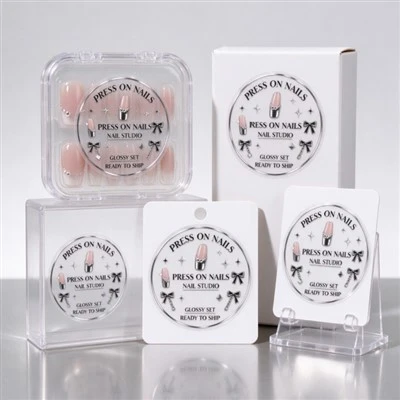
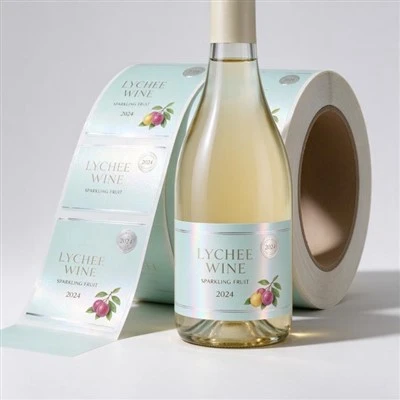
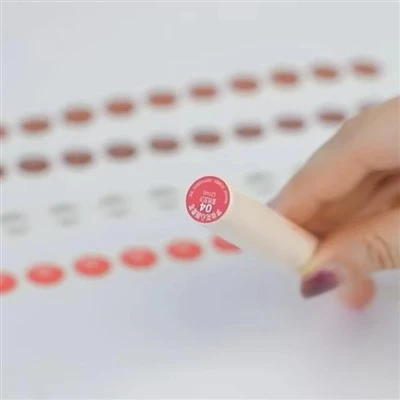
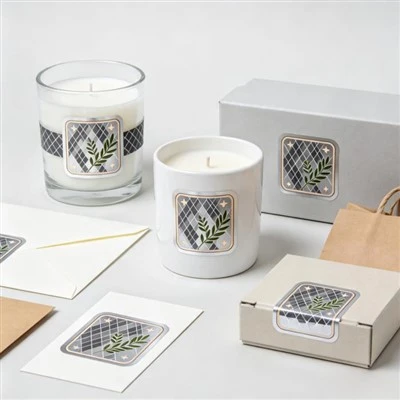
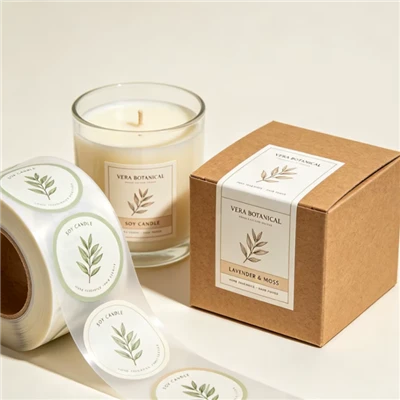
In today's competitive packaging market, a label is no longer only used to display product information. For many brands, packaging has become an important part of the customer experience. The texture, color accuracy, and visual details of a label can influence how consumers perceive product quality before they even open the package.
This is why many cosmetic, beverage, skincare, and premium product brands are exploring UV digital printing labels as a way to create more attractive and customized packaging. Unlike traditional printing methods that mainly focus on reproducing colors, UV digital printing provides greater flexibility by combining high-resolution graphics, white ink printing, and special finishing effects.
For transparent films, metallic materials, and specialty label substrates, standard CMYK printing alone may not always achieve the desired appearance. White ink printing helps create stronger color contrast, while additional layers and effects can transform a simple label into a premium packaging element. Euphora
This article explains how UV digital printing creates high-end labels, how white ink works, what special effects can be achieved, and why more brands are choosing this technology for customized packaging.

Why Premium Brands Choose UV Digital Printing Labels
Packaging trends have changed significantly in recent years. Customers are surrounded by thousands of products on store shelves and online platforms, meaning brands need packaging that communicates quality immediately.
Traditional label printing is still widely used, especially for large-volume production. However, many modern brands require more flexibility:
Multiple product variations
Limited-edition packaging
Seasonal designs
Small-batch launches
Personalized labels
Complex artwork
This is where UV digital printing labels provide advantages.
UV digital printing transfers digital artwork directly onto the label material. The ink is cured instantly using ultraviolet light, allowing the printed layer to remain on the surface of the material instead of being absorbed deeply. This makes it suitable for different substrates, including films, clear materials, and specialty surfaces. Euphora
For brands developing premium products, this technology allows designers to create more detailed artwork, sharper images, smoother gradients, and unique visual effects without requiring large production quantities.
A skincare company launching a new collection, for example, may need several label designs with different colors and product names. Instead of producing large quantities of one design, digital printing allows more flexible production planning.
This makes UV technology especially suitable for:
Cosmetics
Perfume packaging
Premium beverages
Specialty food products
Personal care products
Limited-edition collections
How White Ink Printing Improves Label Design
One of the most important features of modern UV printing is white ink printing.
Many label materials are not naturally white. Transparent films, silver materials, and colored substrates can affect how printed colors appear.
When CMYK inks are printed directly onto a transparent surface, the background underneath can influence the final appearance. Bright colors may appear weaker, and lighter designs may lose visibility.
White ink works as a foundation layer. By printing white ink underneath selected colors, manufacturers can create a stronger background that allows the artwork to appear closer to the original design.
For example:
A transparent cosmetic bottle with a clear label may require white ink behind the logo so the brand name remains easy to read.
A metallic silver label may use white ink in certain areas to control which parts appear metallic and which parts show solid colors.
A dark packaging surface may require white ink to prevent the design from becoming unclear.
This ability gives designers more creative freedom because they can combine:
Transparent areas
Solid color areas
Metallic effects
Bright graphics
Minimalist designs
For brands considering transparent packaging, options such as 【Clear BOPP Labels】 can be combined with white ink printing to achieve both product visibility and strong branding.
Creating Premium Effects with UV Digital Printing
The biggest difference between ordinary labels and premium labels is often the visual and tactile experience.
Modern special effect labels can combine printing technology with different finishing techniques to create packaging that attracts attention.
White Ink Layer Effects
White ink is not only used for improving readability. It can also become part of the design.
Designers can create:
Semi-transparent effects
Layered graphics
Highlighted details
Contrast between clear and printed areas
This is especially useful for luxury packaging where small design details create a stronger brand impression.
Gloss and Matte Effects
Surface finish changes how customers perceive the label.
Gloss finishes can make colors appear brighter and create a smooth, polished appearance.
Matte finishes create a softer, more elegant feeling and are often used for premium skincare or luxury products.
Combining different finishes can also create contrast. For example, a matte label with selective glossy areas can highlight logos or important design elements.
Raised Texture and Tactile Effects
Some premium packaging requires more than visual impact.
By combining UV printing technology with additional finishing methods, brands can create tactile experiences where certain areas feel different when touched.
For more information about raised label effects, you can explore 【Embossing and Debossing Labels】.
Metallic and Luxury Effects
Metallic appearance is another popular choice for premium packaging.
Although traditional foil methods remain important, digital printing can also work with specialty materials and layered effects to create eye-catching designs.
Luxury beverage, perfume, and cosmetic brands often combine metallic materials with advanced printing methods to achieve a high-end appearance.
You can also learn more about metallic decoration options through 【Cold Stamping Labels for Premium Packaging】.

Applications of UV Digital Printing for Premium Packaging
Different industries use UV printing technology because packaging requirements continue to become more personalized.
Cosmetic and Skincare Labels
Cosmetic packaging is one of the strongest applications for premium printing.
Beauty brands often compete through:
Elegant design
Premium materials
Detailed graphics
Unique finishes
UV printing allows cosmetic companies to create labels with:
Fine text
Color gradients
Transparent effects
White ink details
Products such as serums, creams, perfumes, and skincare bottles can benefit from customized solutions like 【Custom Cosmetic Labels】.
Premium Beverage Labels
Wine, spirits, craft beverages, and specialty drinks often rely heavily on packaging appearance.
A premium bottle label needs to communicate:
Quality
Brand story
Product uniqueness
UV digital printing allows beverage brands to experiment with different designs without committing to extremely large quantities.
For high-end bottles, customized solutions such as 【Luxury Bottle Labels】 can combine printing technology with finishing options to improve shelf appeal.
Small Batch and Limited Edition Products
Many emerging brands start with smaller production volumes.
For these companies, traditional large-scale production may create unnecessary inventory pressure.
UV digital printing provides flexibility for:
Product testing
Market launches
Seasonal packaging
Promotional campaigns
This allows brands to create professional packaging while reducing the risk of unused labels.
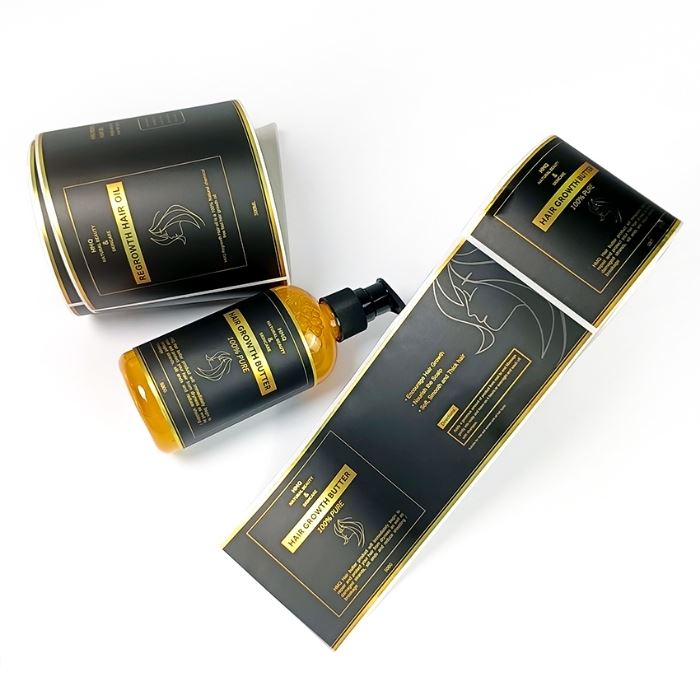
How Brands Should Choose UV Printing Effects
Choosing special effects should not only focus on appearance. The final label needs to match the product positioning and usage environment.
Brands should consider:
Product Material
Different label materials create different visual results.
Transparent films, metallic surfaces, and textured materials interact differently with printed layers.
Brand Positioning
A luxury skincare product may require elegant and subtle effects, while a children's product may need brighter and more colorful graphics.
Customer Experience
Ask:
Should customers see the product through the label?
Should the label feel premium when touched?
Should the design look simple or decorative?
Production Requirements
Consider:
Quantity
Application environment
Label size
Packaging shape
Storage conditions
A professional label supplier can help determine which combination of material, printing, and finishing provides the best balance between appearance and performance.
UV Digital Printing vs Traditional Premium Label Production
Traditional printing methods still have advantages for very large-volume orders.
However, UV digital printing provides unique benefits when brands need:
Faster sampling
More design variations
Lower setup requirements
Personalized packaging
Shorter production cycles
For premium brands, the goal is often not simply producing the cheapest label. The goal is creating packaging that strengthens brand recognition.
A well-designed label can communicate product value before customers experience the product itself.

FAQ About UV Digital Printing Labels
1. What are UV digital printing labels?
UV digital printing labels are labels produced using digital printing technology where UV-curable inks are printed directly onto the material and instantly cured with ultraviolet light. This allows high-quality graphics and flexible customization.
2. Why is white ink important in UV printing?
White ink creates a stronger background layer for colors, especially on transparent, metallic, or dark materials. It helps improve color brightness and readability.
3. Can UV digital printing create premium label effects?
Yes. UV printing can be combined with white ink, gloss effects, matte finishes, and other finishing technologies to create premium packaging designs.
4. Are UV printed labels suitable for cosmetics?
Yes. UV printing is widely used for cosmetic packaging because it supports detailed artwork, multiple designs, and premium visual effects.
5. Can UV printing be used on transparent labels?
Yes. Transparent films are one of the common applications. White ink can be added when stronger contrast or opaque design elements are required.
6. Is UV digital printing suitable for small quantities?
Yes. One advantage of digital printing is flexibility for small and medium production runs because it reduces preparation requirements compared with some traditional methods.
Conclusion
Premium packaging is no longer only about protecting a product. It is also about creating a visual and emotional connection with customers.
UV digital printing labels give brands more opportunities to create unique packaging through high-resolution graphics, white ink printing, and special effects. From transparent cosmetic bottles to luxury beverage packaging, this technology allows companies to develop more creative and flexible label solutions.
By combining the right material, printing technology, and finishing options, brands can create labels that not only look attractive but also strengthen their market identity.
SpeedPrint provides customized label printing solutions for cosmetics, food, beverages, and various packaging industries. With advanced printing capabilities and professional customization support, brands can develop packaging that matches their product value and customer expectations.
References
Avery Dennison Label Materials and Printing Solutions
UPM Raflatac Label Materials Guide
GS1 Packaging Identification Standards