Introduction
When choosing paper for printing, one common question is whether glossy paper or matte paper is better. Both are widely used for product labels, packaging, brochures, and promotional materials, but they create different visual effects.
Glossy paper produces a reflective surface that can make colors look brighter and images more vivid. Matte paper has a softer, non-reflective appearance that works well for clean designs and text-heavy layouts. The better option depends on the artwork, packaging style, viewing environment, and how the printed product will be handled.
For businesses ordering custom labels, understanding the difference between glossy and matte paper can help avoid choosing a finish that looks attractive in a sample but does not suit the actual product.
1. What Is the Difference Between Glossy and Matte Paper?
The main difference is how each paper surface reflects light.
Glossy paper has a smooth, reflective coating. It allows printed colors and images to stand out, making it a popular option for designs that rely on strong visual impact. Photographs, colorful illustrations, and detailed graphics often look attractive on glossy surfaces.
Matte paper has a low-reflection surface. It creates a softer appearance and reduces glare under bright lighting. This makes small text and product information more comfortable to read in many situations.
| Comparison | Glossy Paper | Matte Paper |
|---|---|---|
| Surface | Smooth and reflective | Smooth or slightly textured, low reflection |
| Color appearance | Bright and vivid | Softer and more subdued |
| Light reflection | Higher | Lower |
| Text readability | Can be affected by glare | Generally comfortable under bright lighting |
| Visual style | Bold and eye-catching | Clean and understated |
| Common applications | Promotional graphics, colorful labels | Cosmetic packaging, premium labels, text-heavy designs |
Neither finish is automatically better. The right choice depends on what the printed material needs to communicate.
2. Color Performance: Which Finish Makes Colors Look Better?
Color appearance is one of the biggest reasons businesses compare glossy and matte paper.
Glossy Paper for Strong Color Impact
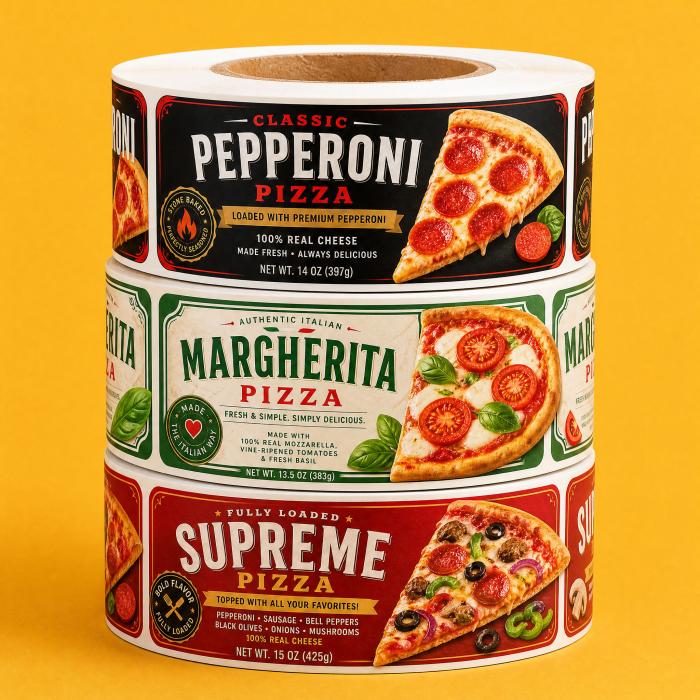
Glossy paper is often preferred when a design contains bright colors, product photographs, gradients, or detailed illustrations. Its reflective surface can make colors appear more vivid and create a polished look.
It is particularly useful for:
Colorful food and beverage packaging
Promotional stickers and retail graphics
Product labels with photographic elements
Packaging designs that need strong shelf visibility
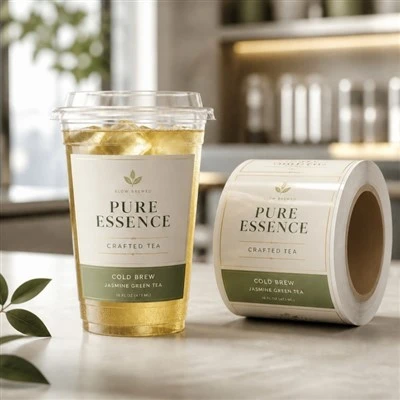
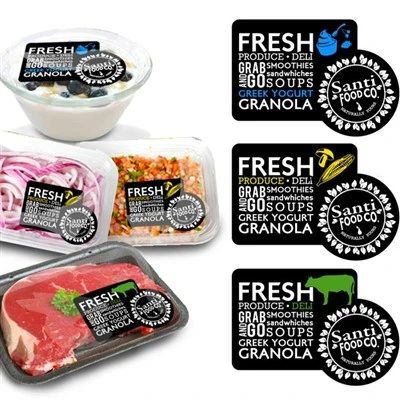
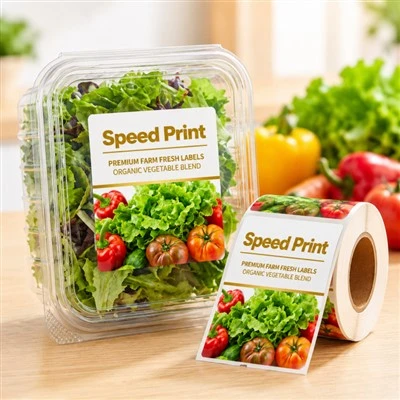
For brands that want colorful product presentation, [custom printed food labels] with a glossy finish can help product graphics attract attention.
However, reflections can become distracting under direct lighting. Glossy paper may also show fingerprints and surface marks more visibly, depending on its coating.
Matte Paper for a Softer Color Appearance
Matte paper produces a less reflective result. Colors may appear less intense than on glossy paper, but this does not mean the printing quality is poor. The softer appearance can suit minimalist designs, natural color palettes, and packaging that uses subtle visual details.
Matte finishes are often selected for:
Skincare and personal care packaging
Minimalist branding
Product labels with extensive text
Premium gift and retail packaging
For example, [custom cosmetic bottle labels] with a matte finish can complement simple typography and understated packaging designs.
If accurate brand colors are important, remember that paper surface, ink, printing technology, and color settings all influence the final appearance. A physical print proof is more reliable than judging colors on a computer screen.
3. Readability: Is Matte Paper Better for Text?
Matte paper is often a practical choice for designs containing small text, instructions, ingredients, or product details because it produces less reflected light.
For example, a product label displayed under strong retail lighting may be easier to read with a matte finish than with a highly reflective glossy surface.
Glossy paper can still produce clear and sharp text. The main issue is not necessarily print resolution, but whether reflections interfere with reading from certain angles.
When designing labels, consider:
Font size and weight
Text and background contrast
Amount of product information
Where the packaging will be displayed
Lighting conditions in stores or other environments
For labels that need both attractive graphics and readable information, a satin or semi-gloss finish may also be worth considering.
4. Durability: Which Paper Finish Lasts Longer?
A common misunderstanding is that glossy paper is always more durable than matte paper. In practice, durability depends on more than surface appearance.
The paper base, coating formulation, adhesive, protective varnish, and lamination all influence how a label performs.
Glossy paper: Its coated surface can provide a smooth printed finish, but standard glossy paper is not automatically waterproof or scratch-resistant.
Matte paper: It offers a low-glare appearance, but its resistance to scuffing and staining depends on the specific material and protective treatment.
If labels will be exposed to moisture, oils, condensation, or frequent handling, selecting the correct material is more important than choosing glossy or matte alone.
For applications that require better moisture resistance, [custom waterproof BOPP labels] may be more suitable than ordinary paper labels.
For more information about material selection, see [6 Types of Paper Label Materials and Their Best Uses].

5. Which Finish Is Better for Different Products?
The following examples can help narrow down your choice.
| Product or Application | Suggested Finish | Reason |
|---|---|---|
| Colorful food packaging | Glossy | Helps colorful graphics stand out |
| Skincare and cosmetic labels | Matte | Creates a clean, understated appearance |
| Promotional stickers | Glossy | Supports bright and eye-catching designs |
| Premium product packaging | Matte or satin | Provides a refined visual style |
| Informational labels | Matte | Reduces reflections around small text |
| Photo-based product graphics | Glossy | Enhances the visual impact of images |
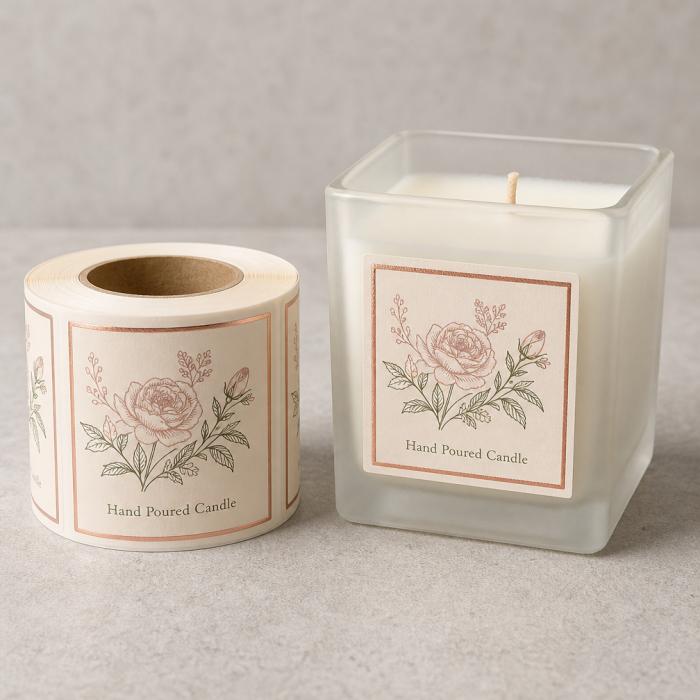
For products such as candles, soaps, and gift packaging, the decision should also consider the brand's overall design. A matte finish may complement kraft paper and natural colors, while glossy paper may work better with bright, colorful artwork.
If you are developing labels for different packaging surfaces, [custom paper product labels] can be specified with different finishes to match each product's presentation requirements.
6. How to Choose the Right Finish Before Mass Production
Before confirming a large printing order, it is worth checking the finish under realistic conditions.
Step 1: Review the artwork. Designs with photographs, gradients, and bright colors may benefit from glossy paper. Minimalist layouts and text-heavy designs may suit matte paper.
Step 2: Consider the display environment. Think about whether the label will be viewed under direct store lighting, natural light, or indoor lighting.
Step 3: Check the packaging material. The label should match the container's shape, surface, and intended use. Adhesive compatibility should be checked separately.
Step 4: Request physical samples. Compare glossy and matte samples using the same artwork. This makes differences in color, reflection, and readability easier to evaluate.
Step 5: Test the complete label. Apply the sample to the actual container and check adhesion, handling, moisture exposure, and surface protection where relevant.
You should also consider the printing process. Different printing technologies and coatings can influence how colors appear on the finished paper. Our guide to [Why CMYK Printing Is Used for Labels and Packaging] explains the role of CMYK in producing printed colors.

FAQ
Is glossy paper better than matte paper for printing?
Neither is universally better. Glossy paper is suitable for bright, colorful designs, while matte paper is often preferred for low-glare surfaces and understated packaging. The best choice depends on the artwork and application.
Does glossy paper make colors brighter?
Glossy paper can make colors appear more vivid because of its reflective surface. However, the final result also depends on the paper coating, ink, printing process, and artwork.
Is matte paper easier to read?
Matte paper generally reduces glare, which can make text easier to read under bright lighting. However, font size, contrast, and layout also affect readability.
Is glossy paper waterproof?
No. A glossy finish does not automatically make paper waterproof. If a label needs to resist water or condensation, consider suitable protective treatments or synthetic materials such as BOPP.
Can I use both glossy and matte finishes for the same product range?
Yes. Some brands use glossy finishes for colorful product graphics and matte finishes for minimalist or premium product lines. Keeping the overall design consistent helps maintain brand recognition.
Conclusion
Glossy and matte paper each offer different advantages for printing. Glossy paper is a strong option when bright colors and visual impact are priorities. Matte paper is better suited to designs that need less reflection, comfortable readability, and a softer appearance.
Before choosing, consider the artwork, packaging style, display environment, and expected handling conditions. Most importantly, compare physical samples rather than relying only on screen previews. This helps ensure the selected finish matches both the appearance and practical requirements of the final product.