Introduction
Look at the packaging of food, beverages, cosmetics, or everyday consumer products, and you will find a wide variety of colors, images, gradients, and detailed graphics. One printing method behind many of these designs is CMYK printing. It allows packaging brands to reproduce colorful artwork using a combination of four basic ink colors instead of preparing a separate ink for every color in the design.
CMYK stands for cyan, magenta, yellow, and key (black). By combining these four inks in different proportions, printers can reproduce a broad range of colors for product labels, packaging stickers, brochures, and other printed materials.
So why has CMYK printing become so widely used in the label and packaging industry? The answer comes down to its versatility, production efficiency, and ability to reproduce complex artwork. However, it is not the perfect choice for every design. Understanding how it works can help businesses choose the right printing process for their packaging projects.
1. What Is CMYK Printing and How Does It Work?
CMYK printing is a four-color process that uses cyan, magenta, yellow, and black ink to reproduce images and artwork. Rather than printing every color separately, the process creates different colors through combinations of these four inks.
Cyan (C): A blue-green ink used to build cool colors.
Magenta (M): A reddish-purple ink used to create reds, pinks, and purples.
Yellow (Y): A yellow ink used in warm colors, greens, and other combinations.
Black (K): Adds dark tones, contrast, and clearer text.
In many conventional printing processes, the inks are applied as tiny dots. These dots combine visually at normal viewing distances, creating the appearance of continuous colors and detailed images.
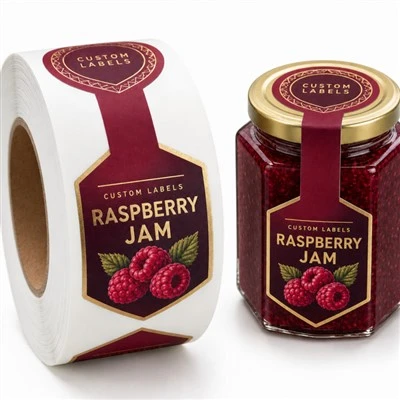
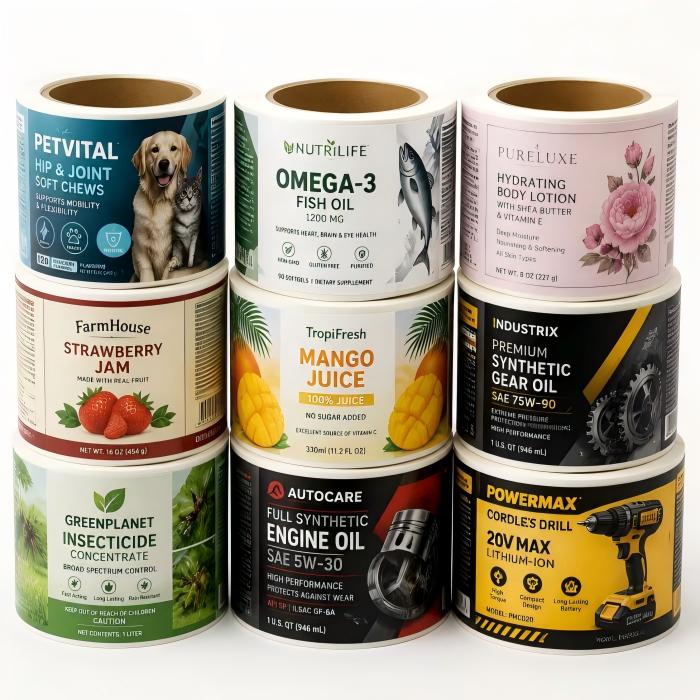
For example, a food label may contain green leaves, red fruit, yellow highlights, and black text. CMYK printing can reproduce much of this artwork through combinations of the four process inks, making it practical for designs that contain many colors.
However, CMYK does not reproduce every color that the human eye can see. The final result also depends on the printing equipment, ink, substrate, surface finish, and color management settings.
2. Why Is CMYK Printing So Widely Used?
It Reproduces Colorful and Detailed Designs
One of the biggest advantages of CMYK printing is its ability to reproduce multicolor artwork without requiring a separate spot ink for every individual color.
This makes it suitable for labels featuring photographs, illustrations, gradients, ingredient images, and colorful brand graphics. A single design may contain many shades, and CMYK can reproduce much of that variation within one process-color setup.
For brands selling multiple flavors, scents, or product variations, this flexibility can make label design and production more manageable.
It Supports Efficient Production
CMYK printing is widely supported by commercial printing equipment and prepress workflows. When artwork is prepared correctly, the same four-color process can be used across many different designs.
This can simplify production planning, especially when a label contains numerous colors. Instead of creating a separate spot ink for every color, the printer can use the four process inks to reproduce the artwork.
The actual cost advantage depends on the printing method, quantity, number of designs, setup requirements, and finishing processes. CMYK is not automatically the cheapest option for every order, but it is a practical solution for many multicolor packaging projects.
It Works With Many Label Materials
CMYK printing can be used with suitable paper and film label constructions, depending on the printing process and equipment.
For example, coated paper labels can support detailed graphics, while compatible BOPP label materials are often selected for packaging that needs better moisture resistance. The correct ink system and surface treatment must be matched to the chosen material.
If you are planning a packaging project, [custom printed product labels] can be specified according to your artwork, label material, and application requirements.
It Helps Maintain a Consistent Production Workflow
Once a design has been prepared for CMYK printing, the same artwork can often be adapted for different label sizes or related product designs.
This is useful for businesses managing multiple SKUs, such as different beverage flavors, skincare formulas, or food varieties. Although each production run still requires appropriate color control, a standardized process can make repeat orders easier to manage.
3. Which Products Benefit Most From CMYK Label Printing?
CMYK is particularly useful when the artwork contains multiple colors, detailed graphics, or photographic elements. Different product categories may require different face materials and finishes, even when the same color process is used.
Food and Beverage Labels
Food packaging often uses colorful illustrations, fruit images, product descriptions, and brand graphics. CMYK can reproduce these elements within one four-color process.
For bottles, jars, and other packages exposed to moisture, the face material and adhesive should be selected according to the storage environment. A good printing result alone does not make a label waterproof.
For packaging that needs moisture resistance, consider [waterproof BOPP labels] and confirm that the complete label construction suits the intended application.
Cosmetic and Personal-Care Labels
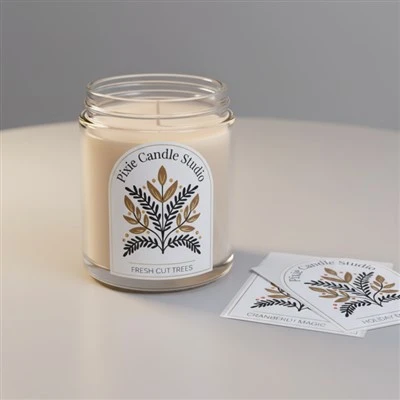
Cosmetic packaging often relies on subtle color combinations, detailed typography, and carefully controlled visual presentation. CMYK printing can reproduce many of these design elements for skincare bottles, lotion containers, and other personal-care products.
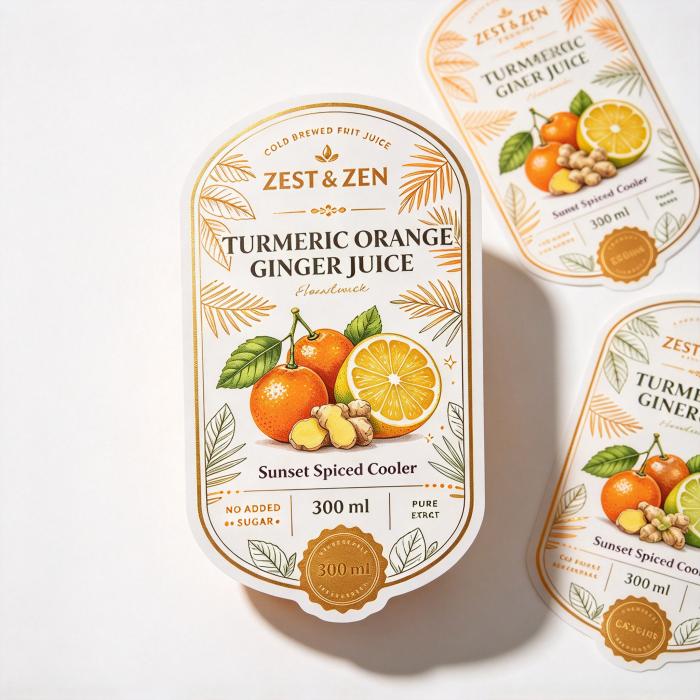
The material and finish influence the final appearance. Matte surfaces can create a restrained look, while gloss finishes can make colors appear more vivid. Metallic effects may require additional processes rather than ordinary CMYK alone.
For product lines with detailed artwork, [custom cosmetic bottle labels] can be planned around the container shape, material, printing requirements, and desired finish.
Promotional and Decorative Stickers
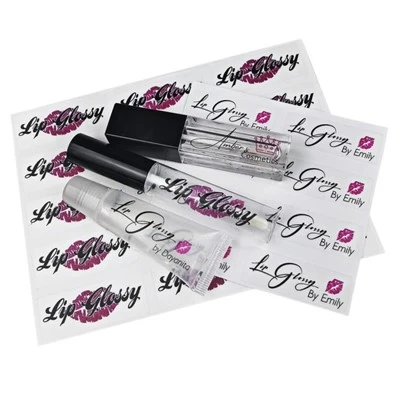
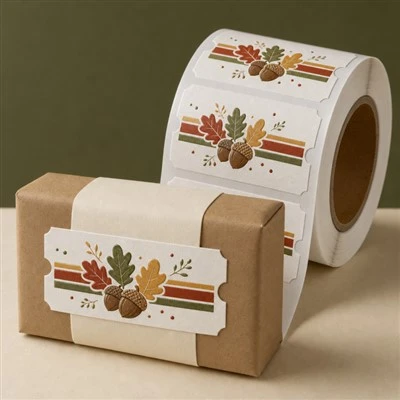
Stickers used for product promotion, event packaging, and brand decoration may contain gradients, colorful illustrations, or complex designs. CMYK printing can reproduce these elements without requiring a separate spot ink for every color.
For designs that change frequently or involve several variations, digital printing may also be worth considering, depending on the order quantity and equipment available.
Businesses planning this type of project can explore [custom digital printed stickers] for flexible artwork and multicolor designs.

4. CMYK vs. Pantone: Which Should You Choose?
Although CMYK is widely used, it is not always the best solution for every brand color. Pantone or other spot-color systems can be useful when a specific color needs to be reproduced as consistently as possible.
| Comparison | CMYK process printing | Pantone spot-color printing |
|---|---|---|
| How colors are produced | Four process inks are combined | A specific ink is prepared for a selected color |
| Complex artwork | Well suited to multicolor images and gradients | Can be less convenient when artwork contains many unrelated colors |
| Specific brand colors | May require careful color adjustment and can have gamut limitations | Useful when a particular spot color is required |
| Production setup | Uses a four-color process | May require additional spot-color setup |
| Best use cases | Detailed graphics, photographs, colorful product designs | Selected brand colors, special colors, and some solid-color designs |
The important difference is that CMYK is a process for building colors, while Pantone is a color-matching system commonly used to specify spot inks.
If your artwork includes photographs, multiple gradients, and many colors, CMYK is often a practical starting point. If a logo must closely match a specified brand color, Pantone spot ink may be worth considering.
Some projects combine CMYK with one or more spot colors. This can provide flexibility, but it may also increase production complexity and cost.
For a deeper explanation of this process, read [CMYK Offset Printing: High-Quality Labels for Packaging Brands].
5. What Are the Limitations of CMYK Printing?
CMYK offers considerable flexibility, but brands should understand its limitations before approving a label design.
Not Every Color Can Be Reproduced
Some vivid colors, fluorescent shades, and highly saturated brand colors fall outside the reproducible range of standard CMYK printing. A color displayed on a monitor may therefore look different when printed.
If a specific color is critical, discuss the artwork with your printer and consider a physical proof or a suitable spot-color solution.
The Material Affects the Final Appearance
The same CMYK artwork may look different on coated paper, uncoated paper, white film, or transparent film. A white substrate generally provides a different printing base from a clear material.
Transparent labels may require an opaque white ink layer beneath some colored areas to improve opacity and visibility. This depends on the design, printing process, and intended appearance.
Finishing Can Change How Colors Look
Gloss lamination, matte finishes, varnishes, and other surface treatments can affect perceived color and contrast. Metallic foil and other special effects generally require additional processes beyond standard CMYK printing.
For this reason, it is important to evaluate the complete label construction rather than judging the color artwork alone.

6. How to Get Better Results From CMYK Label Printing
A good CMYK result begins before the printing machine starts. Artwork preparation, material selection, and color approval all contribute to the final product.
Prepare artwork in the correct color mode. Confirm the required color profile and file specifications with your printer. Converting artwork to CMYK can change some colors, so review the result rather than assuming the conversion will be identical to the original screen design.
Use suitable image resolution. Product photos and detailed graphics should have sufficient resolution at their final printed size. Low-resolution artwork may appear blurred or pixelated.
Check small text and fine details. Very small text, thin lines, and reverse text require careful preparation. For important product information, prioritize legibility and contrast.
Confirm the material before approving colors. If the final label uses a specific paper or film, review a proof on a comparable substrate whenever possible.
Request a sample for important projects. A physical sample can help you assess color, text readability, cutting accuracy, surface finish, and overall appearance before mass production.
If your packaging needs both accurate color reproduction and a specialized visual effect, your supplier can help determine whether CMYK alone or a combination of printing and finishing processes is appropriate.
FAQ
Is CMYK printing better than RGB for labels?
CMYK is a standard color model for many print workflows, while RGB is commonly used for digital displays. Artwork created in RGB often needs to be converted or processed for the chosen printing workflow. Some colors may change during conversion, so checking a proof is important.
Why do printed CMYK colors look different from screen colors?
Screens emit light, while printed inks reflect light from the substrate. Differences in color gamut, screen calibration, paper or film, ink, and surface finish can all affect the result.
Is CMYK printing suitable for food packaging labels?
CMYK can be suitable for many food packaging label designs, provided the printing process and complete label construction meet the requirements of the intended application. Food-contact suitability, when relevant, must be assessed separately.
Can CMYK printing produce metallic gold or silver?
Standard CMYK printing does not reproduce the reflective appearance of real metallic foil. Metallic effects may be simulated with process colors, but genuine metallic shine usually requires a suitable metallic ink, foil stamping, or another specialty process.
Is CMYK printing always cheaper than Pantone printing?
No. The cost depends on order quantity, printing equipment, number of colors, setup requirements, and finishing. CMYK can be efficient for complex multicolor artwork, while spot-color printing may be competitive for some designs with a limited number of solid colors.
What file format should I provide for CMYK label printing?
Ask your printer for its preferred specifications. Print-ready PDF files are commonly used, but requirements for color profiles, bleed, fonts, image resolution, and dielines can vary by supplier and production method.
Conclusion
CMYK printing has become a common choice for labels and packaging because it can reproduce a wide range of colors using four process inks. It is especially useful for products featuring detailed illustrations, photographs, gradients, and multicolor graphics.
However, the best printing method depends on the artwork, substrate, order quantity, brand-color requirements, and desired finish. CMYK is a strong option for many packaging projects, while Pantone spot colors or specialty finishing may be more appropriate when precise brand colors or distinctive visual effects are essential.
By preparing artwork correctly, selecting compatible label materials, and reviewing a physical proof when necessary, businesses can make more informed decisions and achieve more reliable results from their custom label printing projects.