Introduction
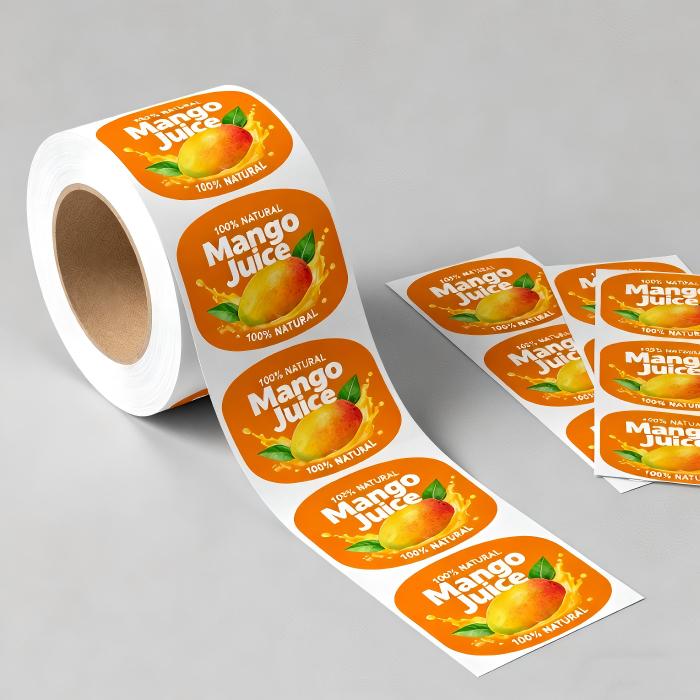
Choosing the right paper is essential for achieving high-quality color printing. The paper surface affects how ink spreads, how clearly details appear, and how bright or consistent printed colors look. For labels, packaging, and promotional materials, coated paper is a popular choice because its smooth surface supports sharp images and vibrant color reproduction.
However, not every coated paper produces the same visual effect. Glossy, matte, and satin finishes each offer different advantages. Understanding these differences can help businesses select the right paper for their product design, printing method, and intended application.
1. Why Is Coated Paper Good for Color Printing?
Coated paper has a specially treated surface that helps control ink absorption. Compared with many uncoated papers, it generally provides a smoother printing base, allowing fine text, detailed graphics, and color transitions to appear clearer.
This makes coated paper suitable for projects where visual presentation matters, including product labels, retail packaging, brochures, and promotional materials.
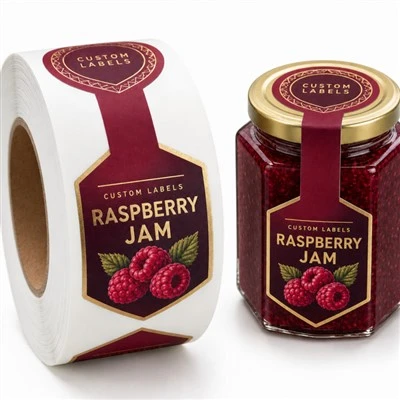
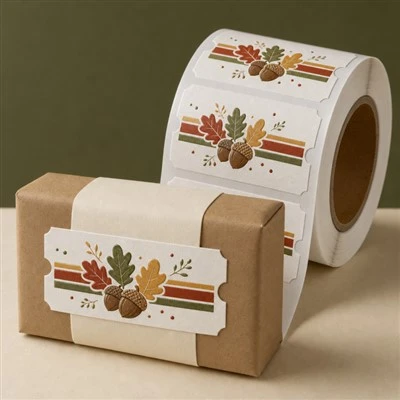
For brands that need colorful packaging graphics, [custom printed coated paper labels] can provide a clean surface for displaying logos, product information, and decorative designs.
Its main advantages include:
Clear image reproduction: Small text, fine lines, and detailed graphics can appear sharper.
Vibrant colors: The coated surface helps maintain strong color appearance.
Consistent printing results: A smooth surface supports more even ink coverage.
Multiple finish options: Glossy, matte, and satin surfaces create different visual effects.
Coated paper is not automatically waterproof, however. If the label will be exposed to water, condensation, or frequent handling, a suitable synthetic material may be a better option.
2. Glossy, Matte, and Satin: Which Finish Should You Choose?
The paper finish influences how customers perceive a product. Even when the same artwork and colors are used, different surface finishes can create noticeably different results.
Glossy Coated Paper
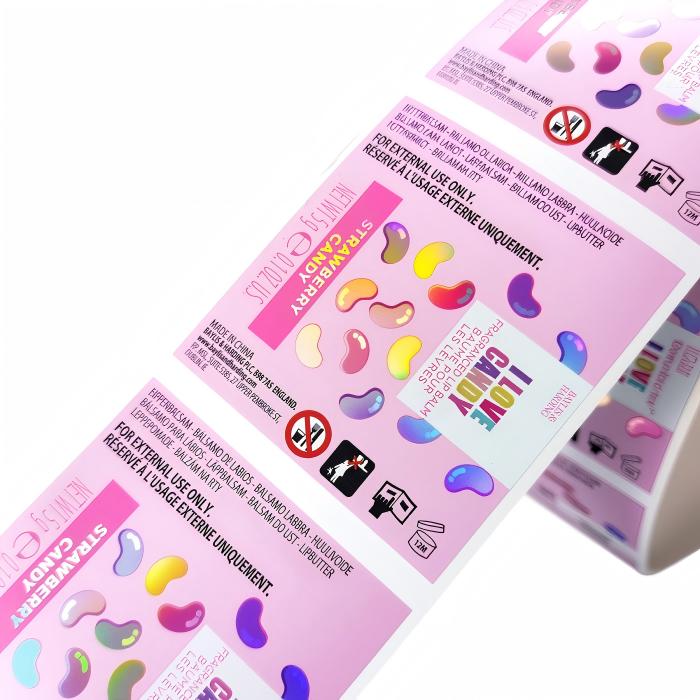
Glossy paper has a reflective surface that makes colors appear bright and eye-catching. It works well for colorful product graphics, photographs, and designs that need strong shelf visibility.
Common applications include:
Food and beverage packaging
Colorful promotional labels
Retail product stickers
Product illustrations and image-heavy designs
For example, [custom food packaging labels] with bright graphics may benefit from a glossy finish when the goal is to create a fresh and noticeable appearance.
One limitation is that strong reflections can make small text harder to read under certain lighting conditions.
Matte Coated Paper
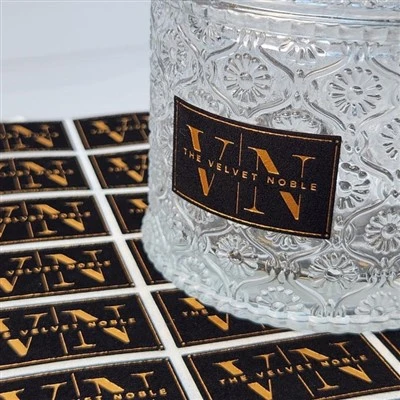
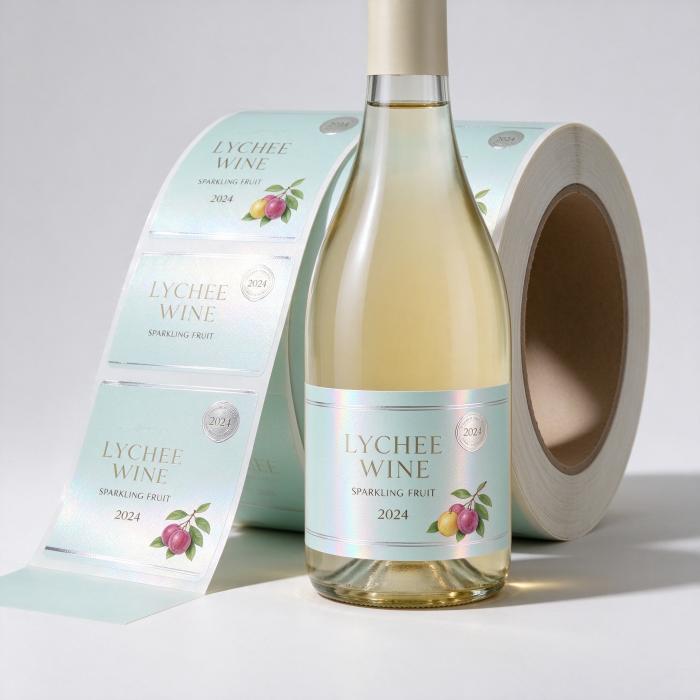
Matte paper has a non-reflective surface that creates a softer and more understated appearance. It is often selected by brands that want a clean, modern, or premium visual style.
Matte finishes are suitable for:
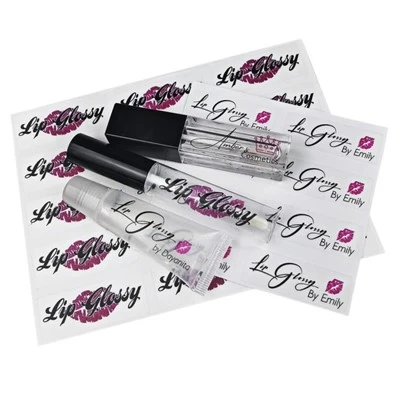
Skincare and cosmetic packaging
Minimalist product labels
Premium gift packaging
Labels with substantial text content
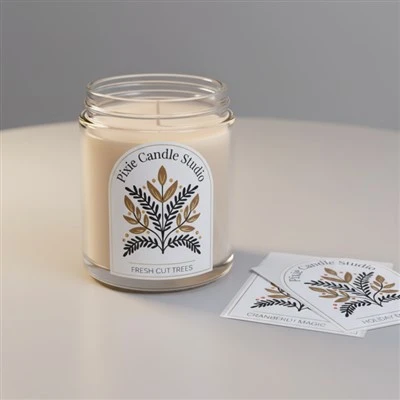
Brands developing understated packaging can consider [custom cosmetic paper labels] with a matte finish to create a refined appearance.
Matte surfaces may show scuffs or marks differently from glossy surfaces, so the final material should be evaluated under actual handling conditions.
Satin or Semi-Gloss Paper
Satin paper sits between glossy and matte finishes. It offers some color brightness without the strong reflection of a high-gloss surface.
This finish can be useful when a design needs both attractive colors and comfortable readability. It is suitable for product labels, informational packaging, and promotional materials where neither a highly reflective nor completely flat appearance is desired.
3. How to Choose Paper for Different Printing Applications
The best paper depends on the product, the packaging environment, and the visual result you want to achieve.
| Application | Recommended Paper | Suitable Finish |
|---|---|---|
| Food product labels | Coated paper | Glossy or matte |
| Cosmetic labels | Coated paper | Matte or satin |
| Brochures and flyers | Glossy or matte coated paper | Based on design |
| Retail product stickers | Coated paper | Glossy or satin |
| Premium packaging inserts | Heavy coated paper | Matte or satin |
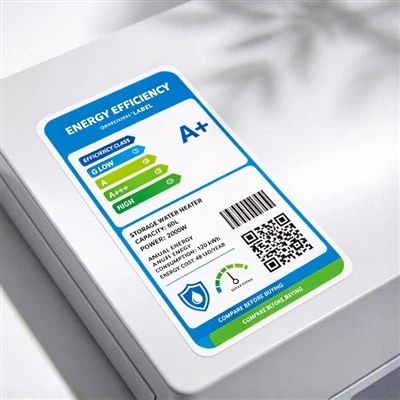
For products stored in dry indoor environments, coated paper can be a practical option. For bottles used in bathrooms, refrigerated drinks, or products exposed to moisture, synthetic materials such as BOPP may offer better durability.
In these situations, [custom waterproof BOPP labels] are worth considering because the material is designed for applications where ordinary paper labels may not perform well.
You can also compare different paper face materials in our guide to [6 Types of Paper Label Materials and Their Best Uses].
4. What Should You Consider Before Printing?
Selecting a paper finish is only one part of the printing process. Several other factors can influence the final result.
Artwork and color settings
Prepare artwork at a suitable resolution and use CMYK color settings when the job is intended for standard four-color process printing. Colors displayed on a monitor may differ from the final printed result.
For projects with specific brand-color requirements, discuss color matching and proofing before production. Our guide to [Why CMYK Printing Is Used for Labels and Packaging] explains how this printing process reproduces colors.
Paper thickness and stiffness
Paper thickness affects how a label feels and performs during application. A lightweight paper may work for simple indoor packaging, while a thicker face stock may be more suitable when a firmer appearance is needed.
Adhesive compatibility
The adhesive must match the surface receiving the label. Glass, plastic, cardboard, and coated containers can require different adhesive solutions. Consider the container material, surface condition, and storage environment before confirming the specification.
Surface protection
If the printed label will be handled frequently, a suitable varnish or laminate may help protect the printed surface. The correct option depends on the expected exposure to friction, moisture, oils, and other environmental conditions.
5. Common Mistakes When Choosing Paper for Color Printing
A paper that looks attractive in a sample may not be suitable for every product. Avoid these common selection mistakes:
Choosing by appearance alone: A glossy finish may look attractive but could create unwanted reflections or fail to match the brand's style.
Ignoring the application environment: Standard coated paper may not be appropriate for products exposed to water or condensation.
Overlooking adhesive performance: A suitable face material cannot compensate for an adhesive that does not bond properly to the container.
Skipping a printed sample: Screen colors do not always represent the final printed result accurately.
Ignoring finishing compatibility: Some coatings and laminations may change the appearance of colors or affect how the label feels.
Before mass production, review a physical sample and test it on the actual packaging whenever possible.

FAQ
Which paper is best for high-quality color printing?
Coated paper is a common choice because its smooth surface supports clear details and vibrant colors. Glossy, matte, and satin finishes can produce different visual effects depending on the design.
Is glossy paper better than matte paper for printing?
Neither is universally better. Glossy paper creates stronger reflections and brighter visual impact, while matte paper offers a softer appearance and less glare. The right choice depends on the artwork and brand positioning.
Can coated paper labels be waterproof?
Standard coated paper is not inherently waterproof. If the label needs to withstand moisture, consider a protective coating or a synthetic material such as BOPP, and test the complete label under actual conditions.
Is coated paper suitable for cosmetic labels?
Yes. Coated paper can be suitable for cosmetic labels used in dry environments. For products exposed to water, oils, or frequent handling, additional surface protection or a different label material may be necessary.
How can I make printed colors look more accurate?
Use properly prepared artwork, confirm the CMYK settings, select a suitable paper surface, and review a physical proof before mass production. For critical brand colors, discuss color-matching requirements with your printing provider.
Conclusion
Coated paper is a practical choice for high-quality color printing because it supports clear details and attractive color reproduction. Glossy, matte, and satin finishes provide different visual effects, making it easier to match the printed material with a brand's packaging style.
Before selecting a paper, consider the product's environment, label adhesive, printing requirements, and expected durability. A well-matched combination of paper, finish, and printing process can improve both the appearance and usability of the final label.