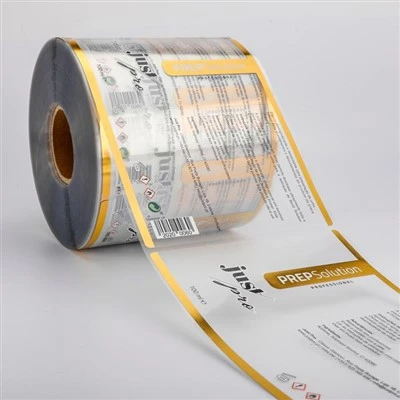
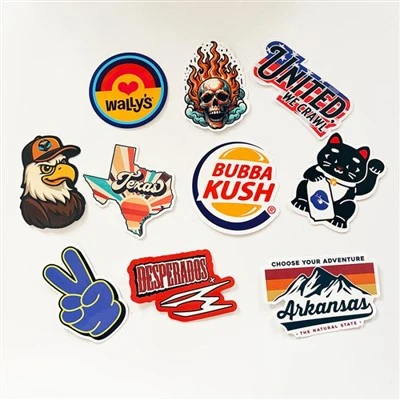
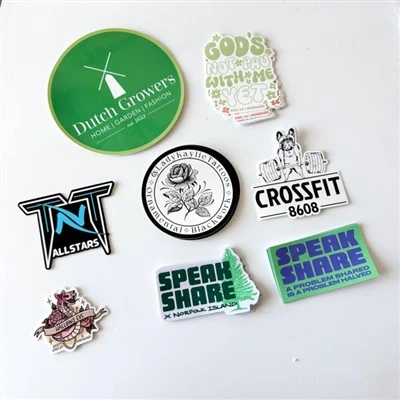
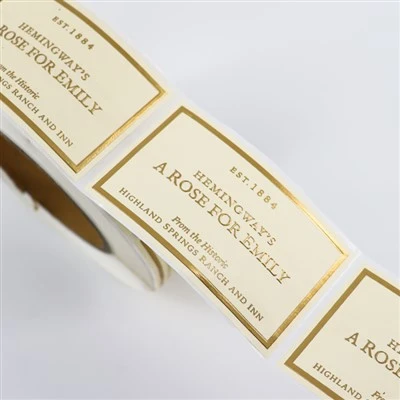
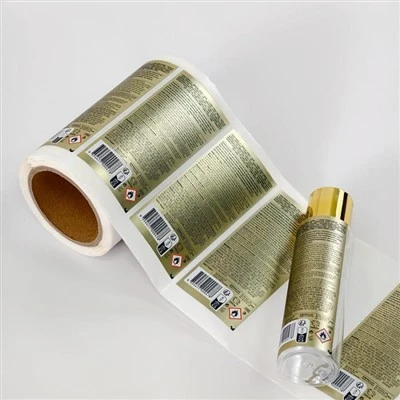
Before contacting a label manufacturer, use this custom label quote checklist to organize your product details, material preferences, quantities, and artwork requirements. It can make the quotation process clearer and reduce unnecessary communication.
1. Identify the Product and Its Packaging
Start by explaining what product the label will be used for. A label designed for a dry food jar may require different materials and adhesive properties from one used on a shampoo bottle or refrigerated beverage.
Include the following information:
Product type: sauce, honey, juice, shampoo, lotion, etc.
Container type: glass bottle, plastic bottle, jar, pouch, or carton.
Container surface: smooth, curved, textured, or flexible.
Storage conditions: room temperature, refrigeration, or humid environments.
For example, a refrigerated juice bottle may need moisture-resistant label materials, while a skincare bottle may require a finish that complements its packaging design.
Providing the actual application helps the manufacturer recommend suitable specifications instead of selecting materials based on appearance alone.
2. Confirm Label Dimensions and Shape
Label size directly affects material consumption, cutting specifications, and the finished appearance of your packaging.
When requesting a quote, provide:
Label width and height.
Diameter if using round labels.
Shape: rectangular, oval, circular, or custom die-cut.
Corner radius or special cutting requirements, if applicable.
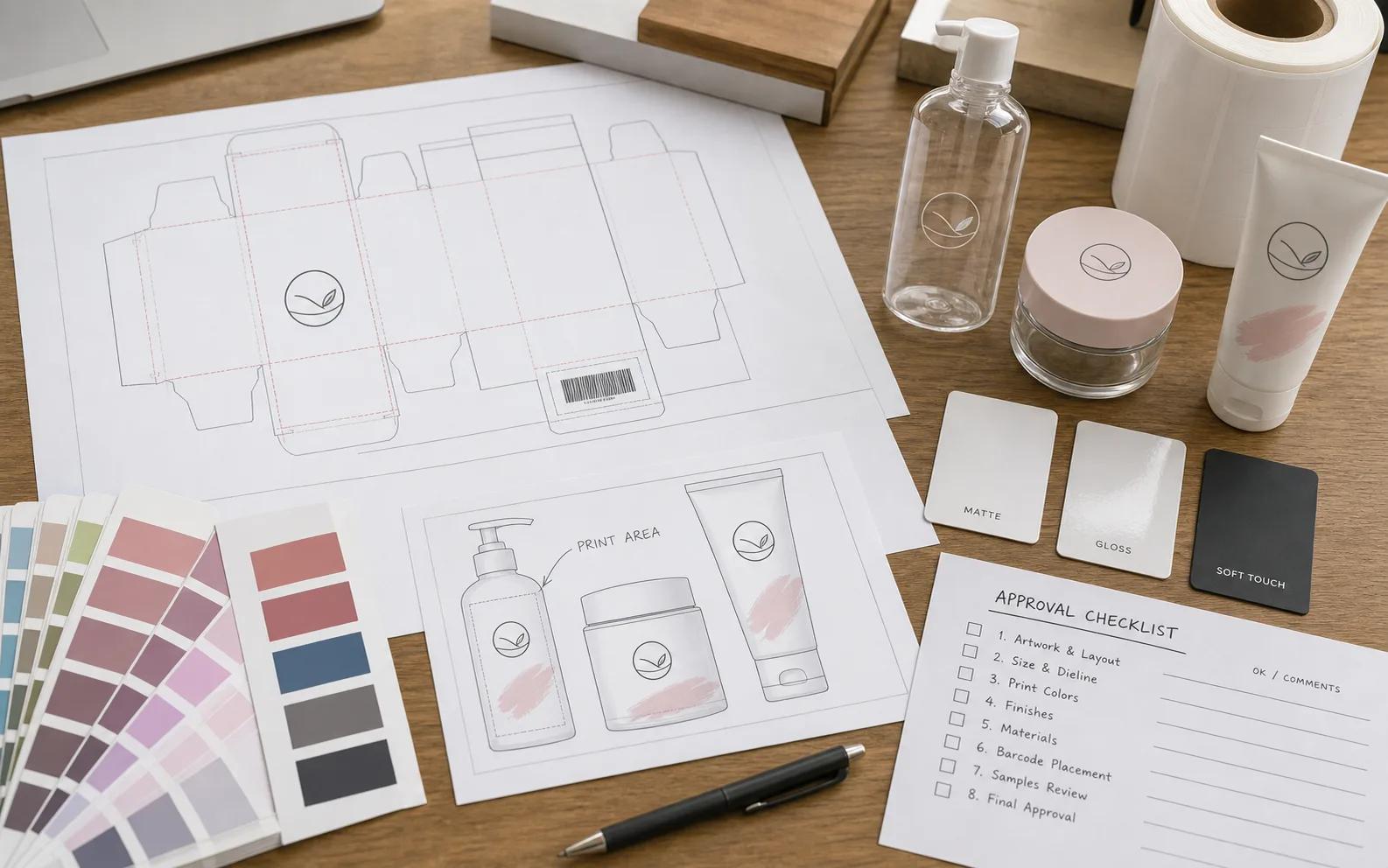
If you do not have exact measurements, send a sample container or packaging drawing. The manufacturer can help evaluate suitable label dimensions.
For curved bottles and jars, also consider how much of the container surface the label needs to cover. An oversized label may wrinkle or overlap when applied.
3. Choose a Suitable Label Material
Material selection is one of the most important factors affecting custom label printing cost and product performance.
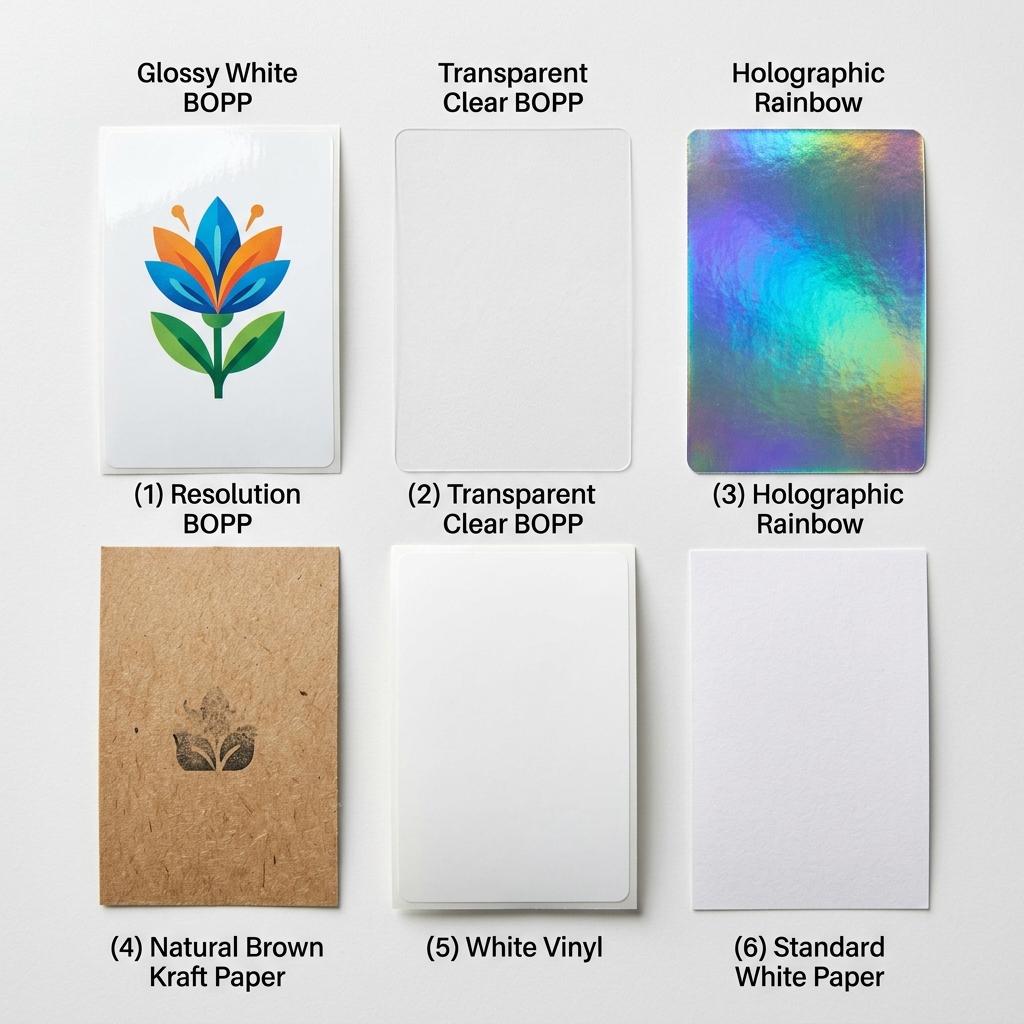
| Material | Common Applications | Key Characteristics |
|---|---|---|
| Coated Paper | Food jars, dry goods | Smooth printing surface |
| Kraft Paper | Honey, organic food | Natural appearance |
| White BOPP | Beverage, sauce bottles | Water and moisture resistance |
| Clear BOPP | Cosmetics, skincare | Transparent appearance |
| PET | Personal care, industrial products | Dimensional stability and durability |
| Metallic Foil | Premium food and cosmetics | Decorative metallic effect |
You do not need to know the exact material name before requesting a quote. Instead, describe the conditions the label must withstand, such as water exposure, oil contact, refrigeration, or frequent handling.
For a deeper comparison, see our guide to [BOPP vs. PET Label Materials].
4. Describe the Adhesive Requirements
The adhesive determines how well a label attaches to its container and whether it remains in place during storage and use.
Consider these questions:
Is the container made of glass, PET, HDPE, or another plastic?
Will the surface be smooth or slightly textured?
Will the product be stored in a refrigerator?
Does the label need permanent or removable adhesion?
Will the container be exposed to water, oil, or humidity?
For example, a shampoo bottle used in a bathroom needs an adhesive and label construction suitable for frequent moisture exposure. A glass food jar stored in a refrigerator may require a different adhesive solution.
If you are uncertain about the adhesive type, describe the container and application conditions first. A manufacturer can help recommend an appropriate option.
5. Specify Printing and Surface Finishes
Printing techniques and finishing options influence both appearance and production cost.
Common options include:
Digital Printing: Suitable for flexible quantities and multiple designs.
Flexographic Printing: Commonly used for larger production runs.
UV Printing: Offers specific printing and curing options depending on the material.
Hot Foil Stamping: Adds metallic decorative details.
Embossing: Creates raised design elements.
Gloss or Matte Lamination: Changes the surface appearance and can provide additional protection.
For cosmetic packaging, gold foil or soft-touch finishes may help create a premium appearance. For beverage labels, the choice of protective coating or lamination should also consider moisture exposure.
When possible, attach a reference image to show the desired result.
6. Provide the Quantity for Each Design
Total quantity alone is not enough when an order includes several label designs.
Suppose a beverage company needs four flavors:
| Design | Quantity |
|---|---|
| Lemon | 5,000 |
| Orange | 5,000 |
| Apple | 5,000 |
| Grape | 5,000 |
| Total | 20,000 |
Providing the quantity for each SKU allows the manufacturer to evaluate printing methods, material usage, setup requirements, and production costs more accurately.
If you plan to reorder regularly, mention your expected annual volume as well. It may help the manufacturer recommend a more suitable production arrangement.
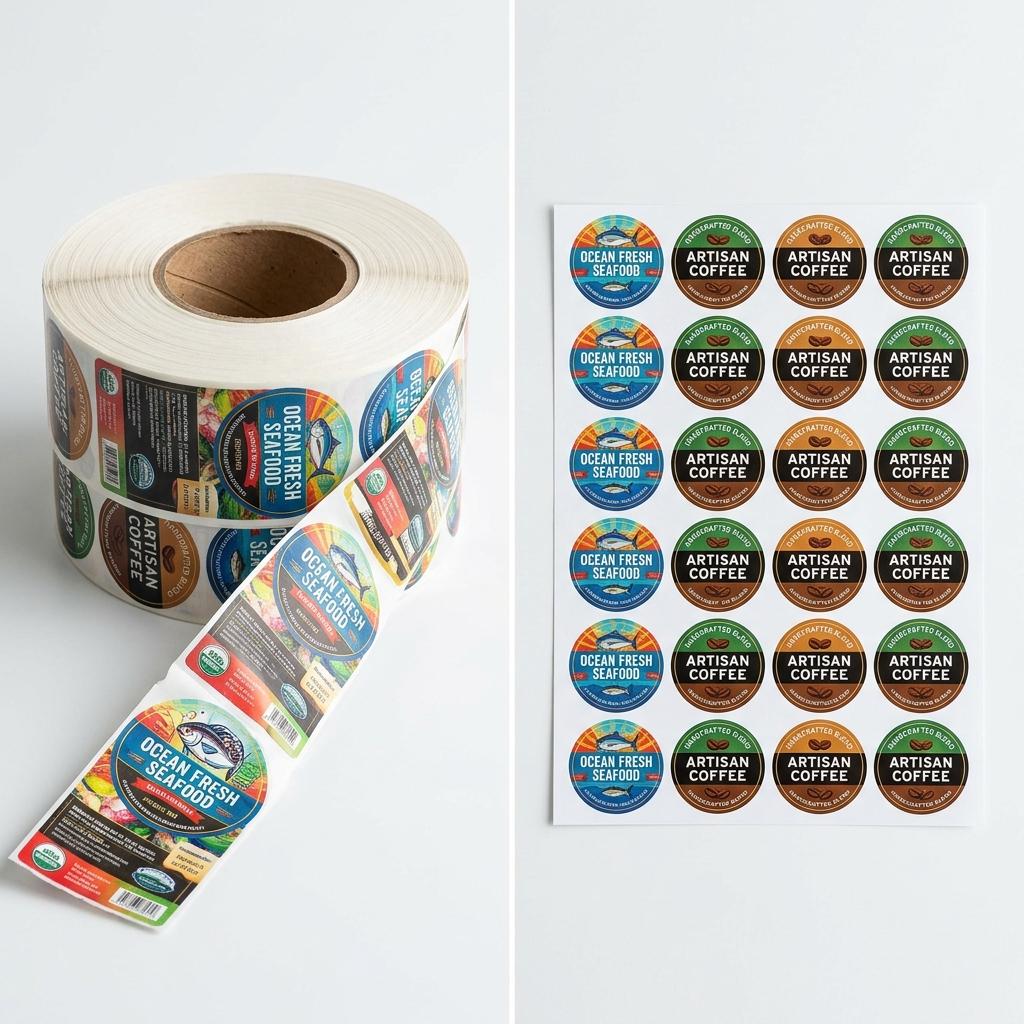
7. Select Rolls or Sheets
The delivery format should match how the labels will be applied.
Roll Labels
Suitable for automatic labeling machines.
Convenient for continuous production.
Require confirmation of core size and unwind direction.
May require maximum roll diameter and labels-per-roll specifications.
Sheet Labels
Suitable for manual application.
Convenient for small quantities and individual handling.
Can be useful for products with multiple label designs.
If you use an automatic applicator, provide the machine specifications whenever possible. This helps prevent compatibility problems during production.
8. Prepare Your Artwork Files
Artwork status affects the prepress process and production schedule.
Before sending your inquiry, check whether you have:
Final artwork or an initial design concept.
Correct label dimensions and layout.
Editable vector files such as AI, PDF, or EPS, when available.
High-resolution images.
Pantone references or CMYK color requirements.
Barcode, QR code, and mandatory product information.
If your design is not finished, explain which parts still need assistance. A printing team may be able to help adjust the layout and prepare the artwork for production.
You can also review our [Custom Label Design and Printing Guide] before submitting your files.
9. Confirm Packaging and Delivery Requirements
A quotation should account for more than the printing itself.
Tell the manufacturer:
Destination country and delivery address.
Preferred shipping method, if known.
Whether labels need individual packaging or bulk rolls.
Required delivery date.
Any special packing or documentation requirements.
For international orders, clarify whether the quotation includes shipping, customs-related charges, or other additional costs. This makes supplier comparisons more meaningful.
10. Request Samples and Confirm the Final Specifications
Before approving a large production order, reviewing a sample can help identify problems that are difficult to evaluate from a digital design.
Check these details:
Color appearance compared with the approved artwork.
Material thickness and surface feel.
Adhesion to the actual container.
Cutting accuracy and label dimensions.
Resistance to the expected storage and handling conditions.
For beverage and cosmetic packaging, it is especially useful to test the label on the actual bottle rather than relying only on a flat sample.
Once the specifications are confirmed, ask the manufacturer to provide a final quotation based on the approved requirements.
Copyable Custom Label Quote Template
You can copy the following checklist and complete it before contacting a printing company.
| Information | Your Requirements |
|---|---|
| Product Type | |
| Container Material | |
| Label Size and Shape | |
| Label Material | |
| Adhesive Requirements | |
| Printing Method | |
| Surface Finish | |
| Number of Designs | |
| Quantity per Design | |
| Roll or Sheet Format | |
| Artwork Status | |
| Packaging Requirements | |
| Delivery Country | |
| Required Delivery Date |
If you are unsure about material or adhesive selection, leave those fields open and describe your product's actual usage conditions instead.
Frequently Asked Questions
1. What information is most important for a custom label quote?
Product application, label dimensions, material requirements, adhesive, printing finish, and quantity per design are essential. If you use an automatic labeling machine, roll specifications are also important.
2. Can I request a quote without knowing the label material?
Yes. You can provide your container type and the conditions the label needs to withstand. The manufacturer can recommend suitable materials based on your application.
3. Does ordering multiple label designs affect the price?
It can. Different designs may involve additional setup, artwork preparation, and production changes. Always provide the quantity for each design rather than only the combined order quantity.
4. Should I choose digital or flexographic label printing?
Digital printing is often suitable for shorter runs and multiple designs, while flexographic printing can be more economical for larger production quantities. The best option depends on quantity, artwork, finishing requirements, and production specifications.
5. Can I check a label sample before mass production?
You can ask for material samples, digital proofs, or physical printed samples depending on the project. Testing the label on your actual packaging is recommended when adhesion and environmental resistance are important.
Final Thoughts
A detailed inquiry helps turn a general pricing request into a practical production discussion. By preparing your product information, dimensions, materials, quantities, artwork, and delivery requirements, you give the printing company a clearer understanding of your project.
At LumoLabels, we support custom label projects for food, beverage, and cosmetic packaging. Whether you already have complete artwork or need advice on material selection, sharing your packaging details is a good starting point for finding the right label solution.