Introduction
Choosing between BOPP and PET labels is a common decision when developing product packaging or durable identification labels. Both are plastic film materials that offer advantages over traditional paper labels, but their properties and ideal applications are different.
BOPP is a biaxially oriented polypropylene film widely used for everyday packaging labels, including food, beverages and cosmetics. PET is a polyester film often selected when dimensional stability, heat resistance, chemical resistance or abrasion resistance are more important.
Understanding the differences between BOPP labels and PET labels can help brands avoid choosing a material based only on price or appearance. The right option depends on the packaging surface, storage conditions, product environment and expected label service life.
1. What Are BOPP and PET Labels?
Before comparing their performance, it helps to understand how these two materials are made and used.
BOPP Labels
BOPP stands for biaxially oriented polypropylene. The polypropylene film is stretched in two directions during manufacturing, creating a film material with useful strength, clarity and dimensional properties.
BOPP labels are commonly available in several finishes:
White BOPP: Provides an opaque background for product graphics and text.
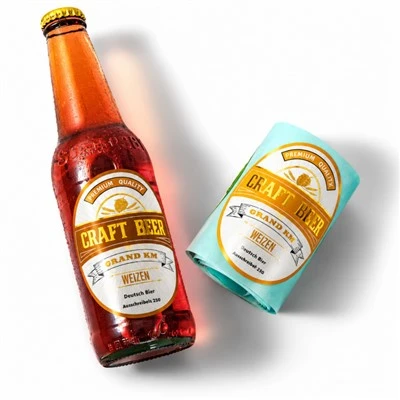
Clear BOPP: Allows the packaging or product contents to remain visible, creating a no-label look.
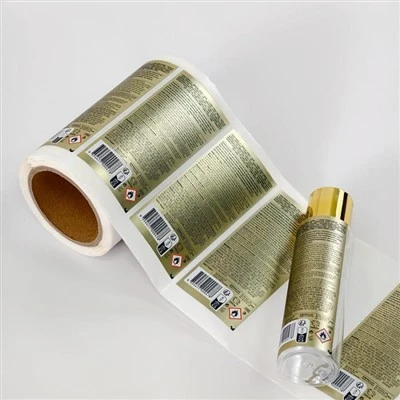
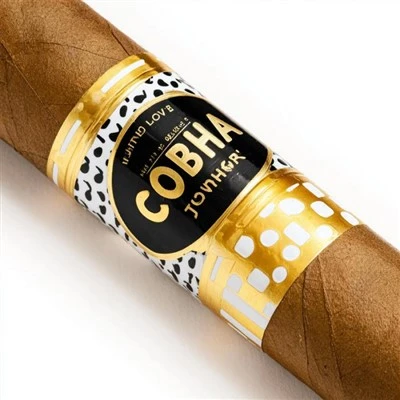
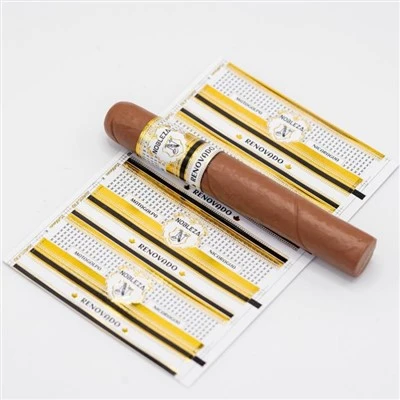
Metallic BOPP: Provides a reflective surface for decorative packaging designs.
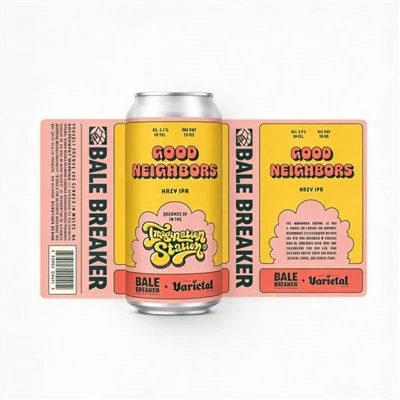
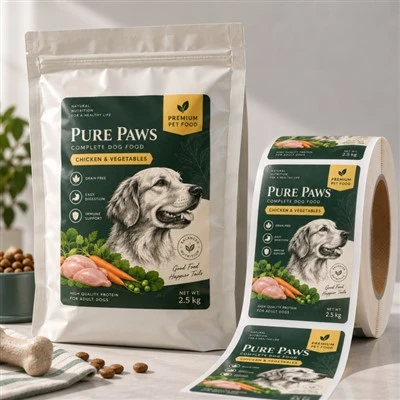
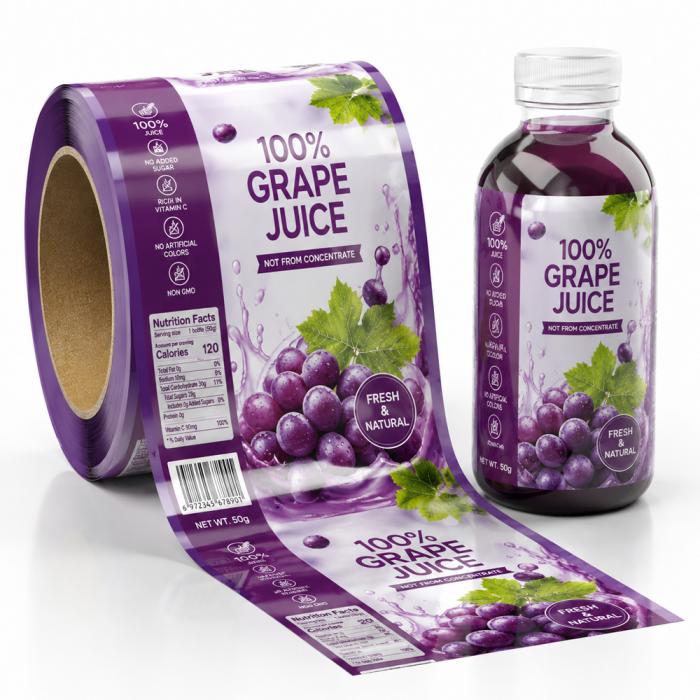
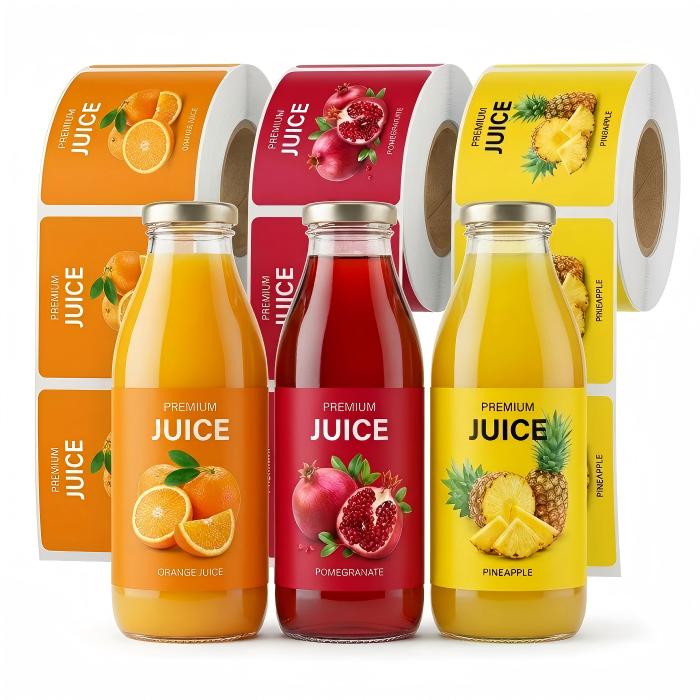
BOPP is widely used for beverage bottles, food containers, personal care products and household packaging. It is particularly useful when brands need a film label with good moisture resistance and an attractive retail appearance.
For transparent packaging designs, [clear and transparent stickers] are worth considering when the goal is to showcase the container or its contents without a prominent white label background.
PET Labels
PET stands for polyethylene terephthalate, a polyester film known for its dimensional stability and durability.
Compared with many common packaging label films, PET is often selected for applications involving higher temperatures, chemical exposure, abrasion or longer service requirements.
PET label materials may be available in clear, white, matte and metallic finishes, depending on the supplier and product construction.
Common applications include:
Industrial equipment identification.
Chemical container labels.
Electronics and component identification.
Durable product information labels.
Applications requiring resistance to heat or repeated handling.
For applications where label durability is a major consideration, [industrial and chemical labels] provide a relevant product direction.
2. BOPP vs PET Labels: Key Differences
Although both materials are plastic films, their performance characteristics are not identical.
| Comparison | BOPP Labels | PET Labels |
|---|---|---|
| Main material | Polypropylene film | Polyester film |
| Typical use | Consumer packaging | Durable and demanding applications |
| Appearance | White, clear, metallic | White, clear, matte, metallic |
| Moisture resistance | Very good | Very good |
| Dimensional stability | Good | Generally higher |
| Heat resistance | Suitable for normal packaging conditions; grade-dependent | Generally better for elevated-temperature applications |
| Chemical resistance | Suitable for many everyday packaging conditions | Often preferred for stronger chemical exposure |
| Abrasion resistance | Suitable for normal handling | Often better for demanding handling conditions |
| Relative material cost | Generally more economical | Generally higher |
| Common applications | Food, beverages, cosmetics | Industrial, chemical, electronics |
These are general material characteristics rather than guaranteed performance specifications. Actual results depend on film grade, thickness, surface treatment, adhesive, printing system and finishing.
3. Durability: When Is PET a Better Choice?
Durability is one of the main reasons buyers compare PET and BOPP labels.
BOPP is suitable for many everyday packaging environments. It offers good resistance to moisture and is widely used on bottles, jars and containers that experience normal handling, storage and transportation.
However, when labels are exposed to more demanding conditions, PET may be a better starting point.
Consider PET when:
Labels are exposed to elevated temperatures.
The packaging comes into contact with cleaning chemicals or solvents.
The printed information needs to remain legible after repeated rubbing.
The product requires long-term identification.
Dimensional stability is important during use.
For example, a household cleaning product label may encounter water, detergent and frequent handling. A BOPP label may be suitable for some standard applications, but a PET construction may be worth evaluating when chemical exposure or abrasion is more demanding.
It is important not to assume that PET alone guarantees chemical resistance. The ink, protective coating and adhesive must also be compatible with the actual environment.
For more demanding surface and handling requirements, [waterproof, scratch-resistant and UV-resistant specialty stickers] are another product category to explore.
4. Flexibility and Packaging Surface Compatibility
The shape and behavior of the container can influence material selection just as much as durability.
BOPP for Everyday Packaging
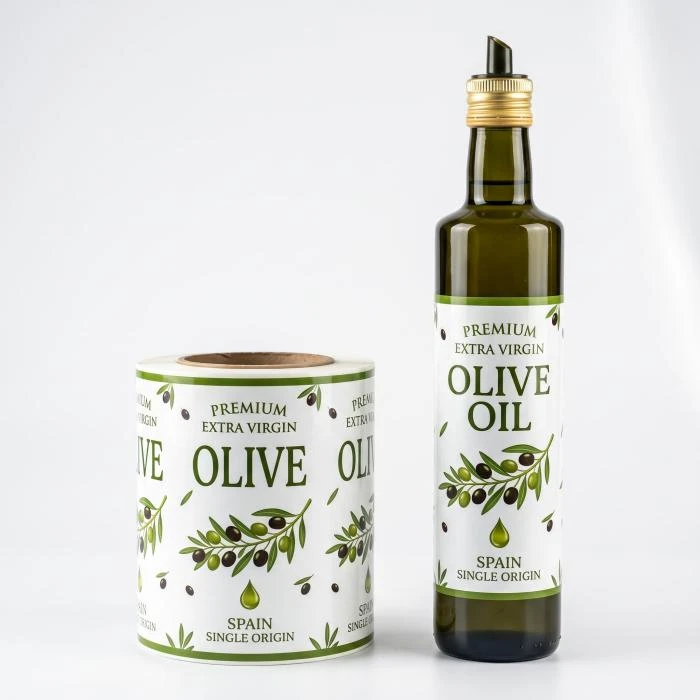
BOPP labels are commonly used on rigid or semi-rigid packaging, including:
Plastic beverage bottles.
Food jars and containers.
Cosmetic bottles.
Household product containers.
They can provide a clean appearance and suitable label performance on many packaging surfaces.
However, BOPP should not automatically be considered the best choice for every curved or flexible container. The film's stiffness, label dimensions and container deformation all influence application performance.
PET for Stable and Durable Identification
PET is dimensionally stable and can be useful where the label needs to maintain its shape and printed information under more demanding conditions.
It is often considered for equipment panels, chemical containers and durable product identification.
For bottles and containers, both BOPP and PET can work depending on the surface geometry and application requirements. A very flexible squeeze bottle or tube may need a more conformable material, such as PE, rather than either BOPP or PET.
When developing [custom bottle labels], confirm the container material, curvature and application method before selecting the film.
5. Printing and Appearance: Which Material Gives Better Results?
Both BOPP and PET can support high-quality label printing when the material has a suitable print-receptive surface.
The final result depends on the film's surface treatment or coating, ink compatibility, printing process and finishing requirements.
BOPP printing
BOPP is commonly used for colorful consumer packaging. White BOPP provides a solid background for product graphics, while clear BOPP can create a transparent label appearance.
PET printing
PET can support detailed graphics and durable identification information. It is often selected when the printed content needs to remain readable under more demanding conditions.
Common printing options include:
Digital printing for customized designs and multiple artwork versions.
Flexographic printing for suitable repeat production runs.
Screen printing for selected applications requiring particular ink coverage or graphic effects.
Thermal transfer printing for variable information on compatible PET label constructions.
The printing method should be selected according to the film coating, ink system, order quantity and intended use.
If you are comparing printing materials beyond plastic films, [Printing Paper Types: Best Materials for Different Applications] provides a broader overview of how different substrates affect printing choices.
6. Adhesive Selection Matters as Much as the Film
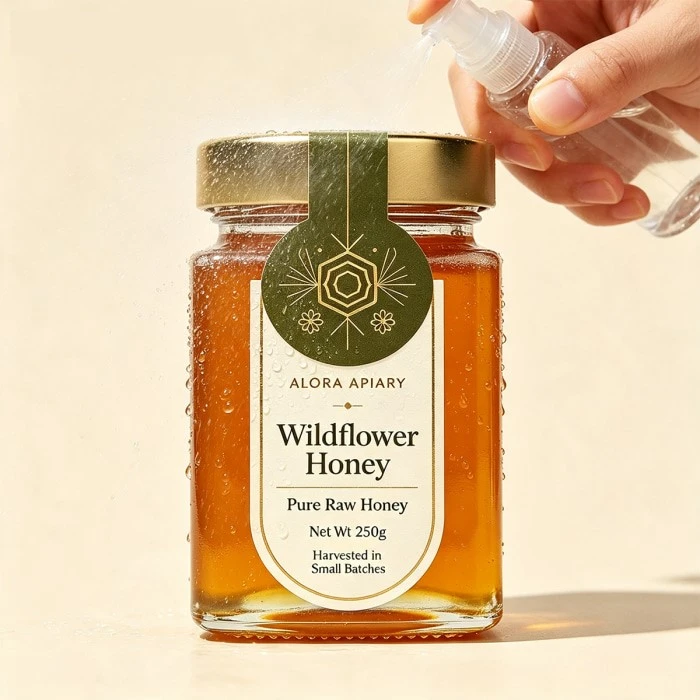
One important point buyers sometimes overlook is that the label face material is only one part of the complete label construction.
A BOPP or PET label may still peel, lift or fail if the adhesive is not suitable for the packaging surface.
Before selecting an adhesive, consider:
Packaging material
Glass, PET bottles, PE containers, PP containers and coated metal surfaces can have different bonding characteristics.
Surface condition
Dust, oil, moisture, surface coatings and roughness may affect adhesion.
Application temperature
The temperature during label application may differ from the temperature during storage or use.
Service environment
Refrigeration, condensation, chemicals and repeated handling can influence long-term performance.
For example, a BOPP label intended for a chilled beverage bottle needs an adhesive suitable for the actual application and condensation conditions. A PET label for a chemical container may require an adhesive that remains compatible with the container surface and chemical exposure.
For a deeper explanation of these factors, see [What Paper Should Use What Adhesive?]. Although it focuses on paper materials, the underlying principle of matching adhesive properties to the application surface is also relevant to film labels.
7. How to Choose Between BOPP and PET
The following examples provide a practical starting point for material selection.
| Application | Suggested starting material | Main consideration |
|---|---|---|
| Food jars and containers | BOPP | Moisture resistance and shelf appearance |
| Beverage bottles | BOPP | Clear or white film options |
| Cosmetic packaging | BOPP or PET | Appearance, oils and handling conditions |
| Household cleaning products | BOPP or PET | Chemical contact and abrasion |
| Industrial equipment | PET | Dimensional stability and durability |
| Chemical containers | PET | Chemical compatibility and service conditions |
| Electronics identification | PET | Stable, durable printed information |
| Flexible squeeze bottles | PE may be preferable | Conformability during repeated squeezing |
A useful way to make the decision is to ask three questions:
What is the label being applied to? Identify the container material, shape and surface condition.
What conditions will the label experience? Consider moisture, temperature, chemicals, friction and storage time.
What performance does the label need? Decide whether appearance, flexibility, durability or cost is the priority.
If the application is relatively straightforward consumer packaging, BOPP is often a practical option. If the label faces more demanding conditions, PET deserves closer consideration.
8. Test the Complete Label Before Mass Production
Material descriptions are useful for narrowing down options, but testing is necessary before confirming a production specification.
A practical sample evaluation should include:
Applying the label to the actual packaging surface.
Checking initial adhesion and edge lifting.
Observing the label after storage under representative conditions.
Testing resistance to rubbing and normal handling.
Checking whether the printed graphics remain clear.
Evaluating the adhesive under relevant temperature or moisture conditions.
For chemical applications, test against the specific chemical and exposure duration expected in actual use. Do not assume that a general-purpose PET label will withstand every solvent or cleaning agent.
Also confirm the roll format, core size, winding direction and dispensing requirements if the labels will be applied using an automatic labeling machine.
A sample test helps verify the entire construction rather than relying on the face material alone.
FAQ
Are BOPP labels waterproof?
BOPP film itself has good moisture resistance, which makes it suitable for many waterproof packaging label constructions. However, the finished label's performance also depends on the adhesive, printing and protective finish.
Are PET labels stronger than BOPP labels?
PET generally offers better dimensional stability and is often preferred for applications involving higher temperatures, chemicals and abrasion. BOPP remains a suitable material for many everyday packaging applications.
Can BOPP labels be used on cosmetic bottles?
Yes. White and clear BOPP are commonly used for cosmetic packaging. The material and adhesive should be selected according to the bottle surface, product contents and expected handling conditions.
Are PET labels more expensive than BOPP labels?
PET is generally more expensive as a material, but the final label price also depends on film thickness, adhesive, printing, finishing, order quantity and converting requirements.
Can BOPP replace PET in industrial applications?
Not always. BOPP may be suitable for some less demanding applications, but PET is often preferred when higher heat resistance, chemical compatibility, abrasion resistance or long-term dimensional stability is required. Always test the complete label construction before substitution.
Conclusion
BOPP and PET are both useful film materials, but they serve different labeling needs.
BOPP is a practical choice for many food, beverage, cosmetic and household packaging labels where moisture resistance and retail appearance are important. PET is often more suitable when dimensional stability, heat resistance, chemical exposure or abrasion resistance become higher priorities.
The best material is not necessarily the one with the highest specifications. It is the one that matches the actual packaging surface, operating environment and expected service life. Testing the complete label construction before mass production is the most reliable way to confirm the choice.