Summary
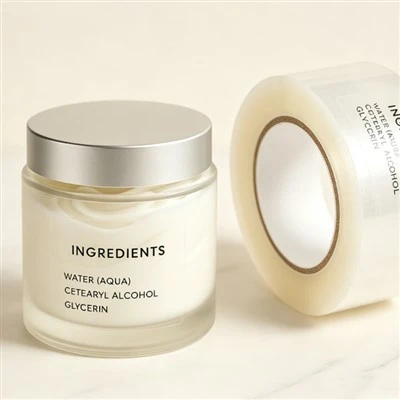
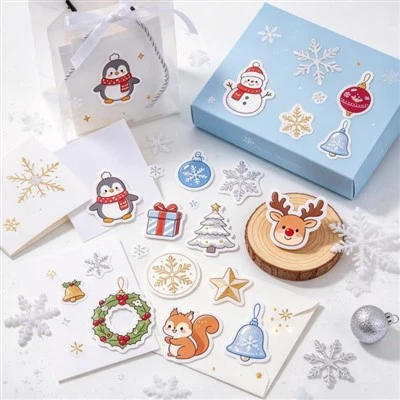
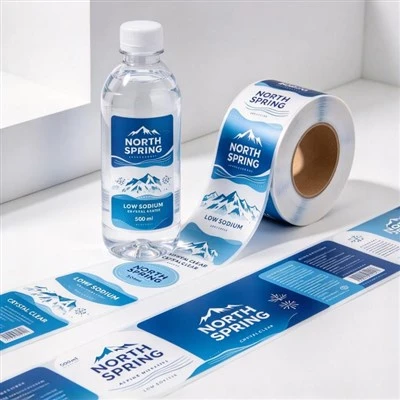
Choosing the right paper is essential for achieving the desired printing effect, product appearance, and durability. Different printing paper types offer different advantages: coated paper produces sharp, colorful graphics, kraft paper creates a natural look, cardstock provides rigidity, and specialty paper adds distinctive textures or reflective finishes.
This guide explains which paper works best for different printing applications, what results each material can achieve, and how to select suitable materials for labels, packaging, promotional materials, and premium products.

1. Coated Paper: Best for Colorful Graphics and Detailed Images
Coated paper, commonly known as art paper in many printing markets, has a smooth surface that supports detailed images and vibrant colors. Depending on the coating, it can produce glossy, matte, or satin finishes.
Printing Effects
Gloss-coated paper creates a shiny surface that makes colors look vivid and saturated. Matte-coated paper reduces reflections and provides a softer, more understated appearance. Satin-coated paper offers a balance between gloss and a smooth finish.
Because the surface is relatively smooth, coated paper is suitable for designs containing product photography, gradients, fine lines, and detailed illustrations.
Best Applications
Coated paper is commonly used for product catalogs, brochures, advertising posters, promotional flyers, and packaging inserts. It is also suitable for many paper label applications where clear graphics and attractive colors are priorities.
For product packaging, [custom printed paper labels] can help brands present product names, ingredients, logos, and decorative graphics clearly. They are particularly useful for products that require detailed printing without the reflective appearance of metallic materials.
When to choose it: Select coated paper when image quality and color presentation matter more than a natural, writable surface.
Important consideration: Standard coated paper is not automatically waterproof. If a printed label will encounter moisture, oil, or frequent handling, consider a protective finish or a more suitable synthetic label material.

2. Offset Paper: Best for Text and Writable Surfaces
Offset paper, also called uncoated paper or woodfree paper, has a natural surface without a conventional glossy coating. It absorbs more ink than most coated papers, resulting in a softer visual appearance.
Printing Effects
Colors printed on offset paper may appear less saturated than those on coated paper. However, its uncoated surface provides a natural feel and is often suitable for documents that need to be written on after printing.
The material works particularly well for text-heavy designs, instructions, forms, and simple graphics.
Best Applications
Offset paper is widely used for books, instruction manuals, notebooks, office stationery, and product inserts. It can also be used for labels that require handwritten information.
For inventory management, pricing, and product identification, [custom writable paper labels] are a practical option when users need to add dates, batch information, or other details manually.
When to choose it: Use offset paper when readability, handwriting, and a natural surface are more important than highly saturated imagery.
Important consideration: Ink absorption varies by paper grade. Test handwriting and printing performance before ordering large quantities, especially when using pens, markers, or specialized inks.

3. Kraft Paper: Best for Natural and Rustic Branding
Kraft paper is recognized by its visible fibers and natural appearance. Brown kraft paper is especially popular with brands that want to communicate craftsmanship, simplicity, or an organic-inspired identity. White kraft paper is also available.
Printing Effects
The brown background influences the final printed colors. Black, dark green, deep brown, and other strong colors often complement kraft paper, while light colors may appear less visible.
White ink can be used when a design requires bright text or graphics against a dark kraft background, provided the printing process supports it.
Best Applications
Kraft paper is commonly used for coffee packaging, handmade soap labels, candle packaging, gift tags, shopping bags, and craft products.
Brands looking for a natural packaging style can choose [custom kraft paper labels] to create a consistent visual identity across their product range. For candle packaging, [custom candle labels] can also be customized with different shapes, sizes, and finishes to match the brand's style.
Kraft paper is especially effective for minimalist designs that use simple typography, understated illustrations, or limited color palettes.
When to choose it: Choose kraft paper when the brand identity emphasizes natural textures, simplicity, or a rustic aesthetic.
Important consideration: Standard kraft paper is not inherently waterproof. If the label will be exposed to condensation, oil, or frequent handling, confirm whether a protective treatment or alternative material is necessary.

4. White Cardstock: Best for Sturdy Printed Products
White cardstock is thicker and more rigid than ordinary text paper. It may have a coated or uncoated surface, allowing different print effects depending on the selected grade.
Printing Effects
Coated cardstock supports sharp graphics and strong color presentation, while uncoated cardstock offers a more natural appearance. Its thickness gives the finished product a substantial feel.
Depending on the paper grade, cardstock can also support finishing techniques such as foil stamping, embossing, debossing, and die-cutting.
Best Applications
White cardstock is widely used for business cards, postcards, greeting cards, product tags, display cards, and invitations.
Fashion, gift, and retail brands often use [custom printed hang tags] to display logos, product details, pricing, and care information. Choosing the right cardstock helps the tag maintain its shape during handling and display.
For small printed cards, thicker cardstock can create a more premium impression than ordinary paper without requiring a complicated design.
When to choose it: Select cardstock when the finished product needs rigidity, a substantial hand feel, or enough strength to hold its shape.
Important consideration: Very thick cardstock may be difficult to fold, and some stocks can crack along folded edges. Confirm the required thickness and finishing method before production.

5. Ivory Board: Best for Premium Packaging
Ivory board is a rigid paperboard commonly used for folding cartons and other printed packaging. Its smooth surface and structural strength make it suitable for retail products that require both attractive graphics and reliable packaging.
Printing Effects
Ivory board supports clear text, detailed graphics, and refined color presentation. Its stiffness helps packaging retain its shape, while additional finishes can enhance the appearance.
Matte lamination, gloss lamination, foil stamping, and embossing may be used when compatible with the selected board and packaging design.
Best Applications
Ivory board is frequently used for cosmetic cartons, skincare boxes, gift packaging, personal-care products, and premium retail packaging.
For skincare and beauty products, [custom cosmetic packaging labels] can coordinate with the printed carton to create a consistent brand presentation. A matching label and box design can help reinforce the product's visual identity across different packaging components.
When to choose it: Choose ivory board when the project requires structural stiffness, clear printing, and a polished packaging appearance.
Important consideration: Ivory board is a packaging board rather than simply another name for ordinary cardstock. Confirm the board grade, thickness, folding requirements, and compatibility with the intended packaging structure.

6. Pearlescent Paper: Best for Elegant and Refined Designs
Pearlescent paper has a subtle reflective finish resembling the soft shimmer of a pearl. Its appearance changes slightly with lighting and viewing angle, making it suitable for brands that want a refined surface effect.
Printing Effects
The pearlescent background creates visual depth without necessarily producing the strong reflection associated with metallic materials. Because the surface reflects light, printed colors may look different from those on standard white paper.
Light colors and delicate gradients should be tested carefully to ensure that the finished design remains visible.
Best Applications
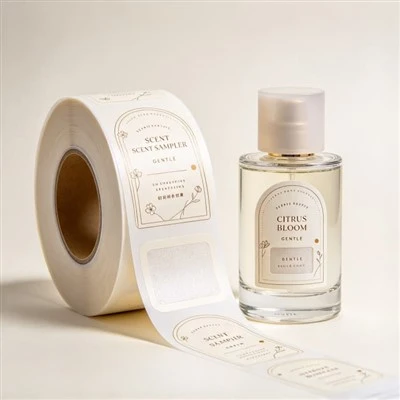
Pearlescent paper is commonly used for perfume labels, premium cosmetic packaging, wedding invitations, luxury gift cards, and decorative product sleeves.
For fragrance brands, [custom perfume labels] can incorporate pearlescent materials to complement glass bottles and create an elegant appearance. The effect works especially well with restrained typography and simple graphic elements.
When to choose it: Use pearlescent paper when you want a subtle shimmer and a refined appearance rather than a completely flat surface.
Important consideration: Always review a physical sample before mass production. The reflective background can affect color reproduction, especially for pale colors and delicate designs.

7. Metallic and Holographic Paper: Best for Eye-Catching Designs
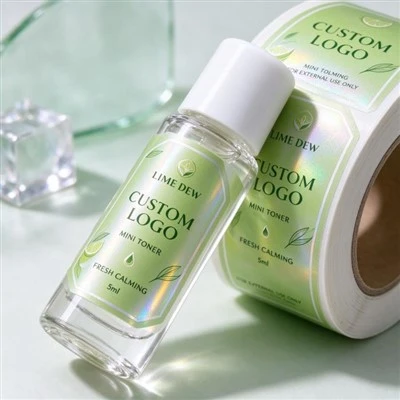
Metallic paper and holographic paper are related decorative materials, but they create different visual effects. Metallic paper provides a gold, silver, or other reflective appearance, while holographic paper can produce rainbow-like reflections that change with the viewing angle.
Printing Effects
Metallic paper creates a polished, reflective surface that can make packaging look more distinctive. Holographic paper adds changing colors and visual movement, making it useful for designs intended to attract attention.
The final effect depends on the reflective background, ink coverage, printing process, and any additional finishing.
Best Applications
These materials are often used for decorative stickers, gift packaging, promotional labels, beverage packaging, event invitations, and limited-edition products.
For reflective packaging designs, [custom metallic labels] can create a gold or silver appearance. Brands seeking a more dynamic effect can consider [custom holographic stickers] for promotional campaigns, decorative applications, or selected product packaging.
Metallic paper is often suitable for elegant designs, while holographic paper is more appropriate when the changing rainbow effect is an important part of the visual concept.
When to choose it: Select metallic paper for a consistent metallic look and holographic paper for changing reflections and stronger visual impact.
Important consideration: Metallic and holographic materials are not automatically waterproof or security-certified. If a label requires genuine anti-counterfeiting protection, additional security features and verification may be necessary.

8. Specialty Paper: Best for Unique Textures and Brand Identity
Specialty paper includes a broad range of materials with distinctive textures, colors, finishes, or tactile properties. Examples include linen-textured paper, cotton paper, recycled paper, translucent paper, and papers with special surface treatments.
Printing Effects
Textured paper can create a fabric-like or embossed appearance. Cotton paper may provide a soft, premium feel, while translucent paper creates a layered visual effect. Some specialty stocks also use coatings that provide a smooth or velvety touch.
The finished result depends on the paper's texture, absorbency, color, and compatibility with the selected printing and finishing processes.
Best Applications
Specialty paper is used for luxury stationery, fragrance packaging, premium product labels, invitations, certificates, and high-end brochures.
For brands that want to make the material itself part of the customer experience, [custom textured paper labels] can provide a distinctive tactile effect. They may be suitable for candles, gift products, premium cosmetics, and other products where packaging details contribute to brand perception.
When to choose it: Select specialty paper when ordinary paper cannot deliver the desired texture, finish, or visual identity.
Important consideration: Highly textured papers may require adjustments to ink coverage, fine lines, small text, and finishing methods. Ask for a printed sample before approving a large production run.

9. How to Choose Paper for Different Printing Projects
The best material depends on the product's function, desired appearance, handling requirements, and budget.
| Printing project | Recommended material | Expected result |
|---|---|---|
| Product catalogs and brochures | Coated paper | Sharp images and vivid colors |
| Books and instruction manuals | Offset paper or coated paper | Readable text or stronger image presentation |
| Coffee and handmade product labels | Kraft paper | Natural, rustic appearance |
| Business cards and hang tags | White cardstock | Firm structure and a substantial feel |
| Cosmetic and gift boxes | Ivory board | Sturdy, polished packaging |
| Perfume labels and premium invitations | Pearlescent paper | Subtle shimmer and elegance |
| Promotional and decorative stickers | Metallic or holographic paper | Reflective, eye-catching effects |
| Luxury stationery and textured labels | Specialty paper | Distinctive texture and tactile appeal |
For products that require moisture resistance, consider [custom waterproof product labels] rather than assuming that ordinary paper will provide sufficient protection.
When a product needs a thin, lightweight, water-resistant label, [custom BOPP labels] may be a more appropriate option. BOPP is a polypropylene film rather than paper, so it offers a different combination of surface appearance and performance.
These recommendations are starting points, not fixed rules. The correct choice also depends on printing equipment, material grade, finishing requirements, and the environment in which the finished product will be used.
Choosing the right printing paper depends on more than appearance. For self-adhesive labels, factors such as writability, adhesive compatibility, and resistance to heat or moisture also affect performance. To explore these options in more detail, read our guide to [6 Types of Paper Label Materials and Their Best Uses], which explains the common paper materials used for labels and their practical applications.
10. What Should You Check Before Choosing Printing Paper?
Before confirming a paper specification, consider these five practical questions.
1. What Is the Main Purpose of the Printed Product?
A brochure needs clear images and readable text, while a product tag may need greater stiffness. Start with the function instead of choosing paper based on appearance alone.
2. What Visual Effect Do You Want?
Choose coated paper for colorful graphics, kraft paper for a natural look, pearlescent paper for subtle shimmer, or holographic paper for changing reflections.
3. Does the Product Need to Withstand Moisture, Oil, or Friction?
Ordinary paper may not be suitable for demanding environments. Consider protective coatings, lamination, or a compatible synthetic label material when necessary.
For products exposed to water or condensation, [custom waterproof product labels] can be considered, provided the face material, adhesive, and printing finish meet the application's requirements.
4. Which Printing and Finishing Processes Will Be Used?
Offset, digital, and flexographic printing have different material requirements. Foil stamping, embossing, lamination, and die-cutting can also affect the final choice.
A material that works well with one printing process may need adjustment for another. Confirm compatibility with the printer before finalizing the specification.
5. Can You Check a Sample Before Mass Production?
A sample helps you evaluate color, texture, stiffness, adhesion where applicable, and the finished appearance. This is particularly important for metallic, pearlescent, and textured stocks.
For custom label projects, compare [custom label materials and finishing options] before approving the final specification. This can help ensure that the material, adhesive, printing process, and finish work together as intended.
FAQ
Which paper is best for high-quality color printing?
Coated paper is a common choice because its smooth surface supports sharp details and vibrant colors. Glossy, matte, and satin finishes create different visual results, so the best option depends on the design.
What is the difference between coated paper and offset paper?
Coated paper has a treated surface that generally produces sharper images and stronger color presentation. Offset paper is uncoated, absorbs more ink, and is often preferred for text-heavy materials or surfaces that need to be writable.
Which paper is best for luxury packaging?
Pearlescent paper, specialty textured paper, metallic paper, and suitable packaging boards can all create a premium appearance. The choice depends on whether the desired effect is shimmer, texture, metallic reflection, or structural strength.
Is kraft paper suitable for product labels?
Yes. Kraft paper is commonly used for candle, coffee, handmade soap, and gift labels. However, standard kraft paper is not inherently waterproof, so the material and protective finish should match the product's environment.
How does paper weight affect printing?
Paper weight is usually expressed in grams per square meter (GSM), which measures the mass of paper per unit area. Thickness and stiffness also depend on the paper's composition and construction. Heavier paper often feels more substantial, but it is not automatically better for every application.
Can the same paper be used for every printing process?
Not always. Paper coatings, thickness, absorbency, and surface treatments can affect how a material performs on different printing equipment. Confirm material compatibility and request a sample when changing the printing process.
Conclusion
Choosing the right printing paper means balancing appearance, function, print quality, and budget. Coated paper is suitable for colorful graphics, offset paper works well for readable and writable materials, kraft paper supports natural branding, and cardstock or ivory board provides structure. Pearlescent, metallic, holographic, and specialty papers help brands create distinctive visual and tactile effects.
For the best result, match the paper to the final product, confirm printing and finishing compatibility, and review a sample before mass production. For custom labels and packaging, selecting the appropriate face material and finish at the beginning can help avoid unnecessary production adjustments and improve the final presentation.
References
FedEx: Types of Printing Paper
QinPrinting: What Paper Should I Choose for My Printing Project?
Printing Partners: Paper Types Explained