Introduction
Choosing the right paper label adhesives is essential for making sure a label stays attached, looks professional, and performs well throughout its intended use. Even when two labels use the same paper material, they may require different adhesives depending on the container surface, storage conditions, and whether the label needs to be removed later.
Coated paper, kraft paper, uncoated paper, textured paper, and cardstock all have different surface characteristics. However, the paper face material alone does not determine which adhesive will work best. The surface receiving the label, the application temperature, and exposure to moisture or oils are equally important.
In this guide, we explain which adhesive types are worth considering for common paper label materials and how to avoid common adhesion problems before mass production.
1. Coated Paper Labels: Permanent or Removable Adhesive
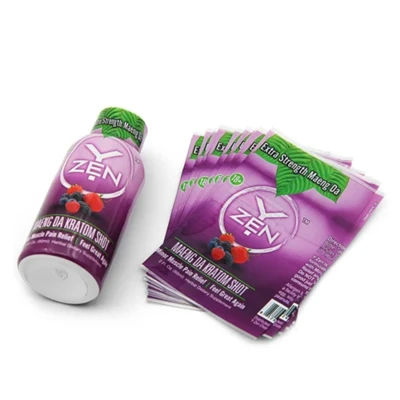
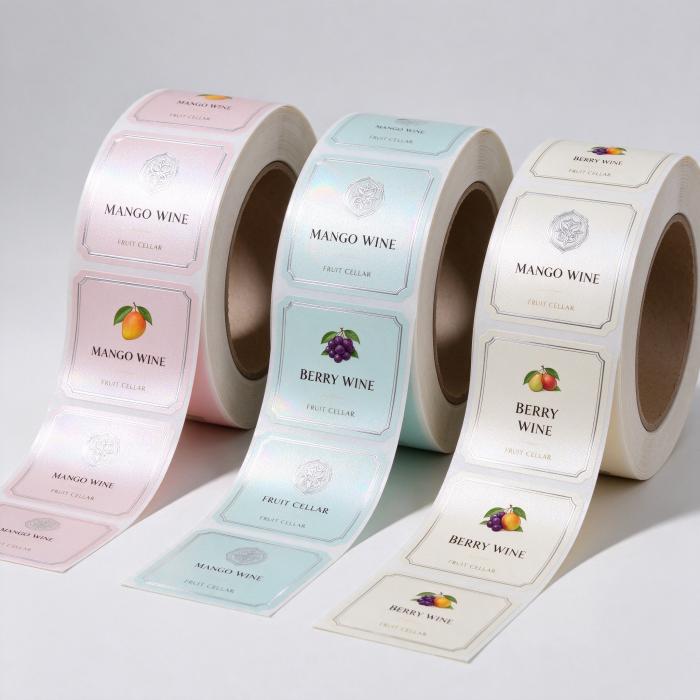
Coated paper has a relatively smooth surface that supports sharp text, colorful graphics, and detailed printing. It is widely used for product packaging, food labels, retail labels, and general-purpose stickers.
For most everyday product labels, a permanent pressure-sensitive adhesive is a practical starting point. It can provide a lasting bond on suitable surfaces such as clean glass, metal, or compatible plastics.
Recommended adhesive options:
Permanent adhesive for labels intended to stay on the product
Removable adhesive for temporary pricing or promotional labels
Water-resistant adhesive systems when the application involves moisture
The right choice depends on the product and container. For example, a coated paper label applied to a glass jar may perform differently from one applied to a flexible plastic bottle.
Coated paper is generally not waterproof by itself. If the label will encounter condensation, water, or oily products, consider whether a protective coating or a film-based label would be more appropriate.
2. Kraft Paper Labels: Adhesive Selection for Natural Packaging
Kraft paper labels are popular for coffee bags, handmade soap, candles, gift packaging, and natural personal-care products. Their textured, rustic appearance helps brands create a simple and handcrafted visual identity.
For kraft paper labels, a permanent adhesive is often suitable when the label needs to remain attached during shipping, storage, and normal product handling. However, the paper's porosity and roughness can influence how the label behaves, and the receiving surface is still a major factor.
Recommended adhesive options:
Permanent adhesive for candle jars, paper packaging, and product containers
Higher-tack adhesive for certain textured or difficult-to-bond surfaces
Specialty adhesive for packaging exposed to humidity or changing temperatures
Do not assume that kraft paper always requires a stronger glue. If the label is being applied to clean glass, a standard permanent adhesive may work well. If it is applied to a rough cardboard box, the adhesive must be compatible with that surface texture.
For products such as handmade soap or candles, also consider contact with oils, fragrance ingredients, and moisture during storage.
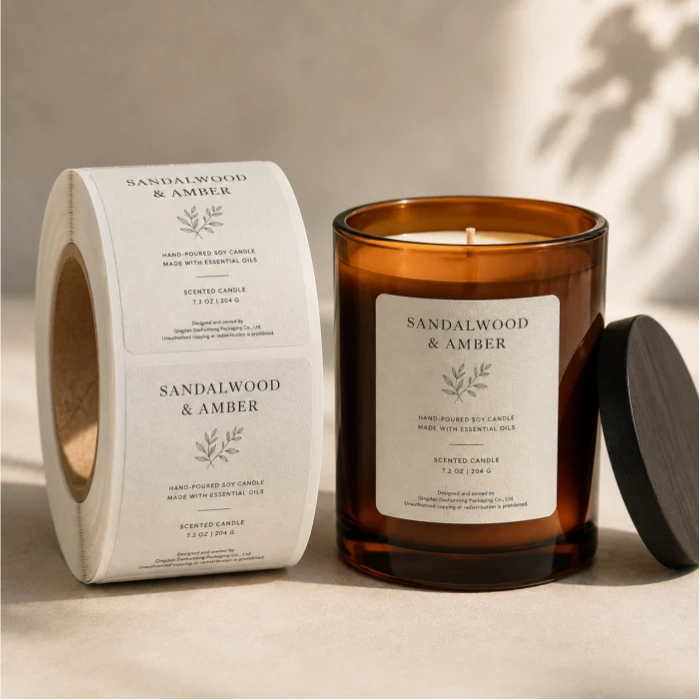
3. Uncoated and Writable Paper Labels: Permanent or Removable Adhesive
Uncoated paper has a more natural surface and is often chosen for labels that need to be written on by hand. Common applications include inventory labels, handmade product labels, price tags, and warehouse identification.
For permanent identification, a general-purpose permanent adhesive may be suitable. For temporary price labels or stock labels that need to be removed, a removable adhesive may be a better choice.
Recommended adhesive options:
Permanent adhesive for product identification and inventory labels
Removable adhesive for temporary pricing and short-term labeling
Low-tack adhesive for selected delicate surfaces or repositioning applications
The writable face material and adhesive perform separate functions. If users need to write on the label, check whether the paper accepts the intended pen or marker without smearing. If clean removal is required, test the label on the actual surface rather than relying only on the adhesive description.
4. Textured and Specialty Paper Labels: Test Surface Compatibility
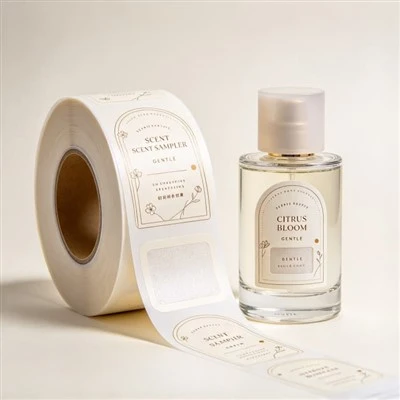
Textured, embossed, and specialty papers are often used for premium packaging, fragrance labels, gift products, and luxury branding. Their tactile appearance can make a product feel more distinctive, but the surface texture may affect how a label sits and how well it bonds.
A permanent adhesive can be a reasonable starting point for many specialty paper labels. For highly textured receiving surfaces, a compatible higher-tack adhesive may be needed. The best choice depends on both the paper label and the material to which it will be applied.
Recommended adhesive options:
Permanent adhesive for long-term product labeling
Higher-tack adhesive for certain rough receiving surfaces
Specialty adhesive for unusual substrates or demanding conditions
If the label itself is embossed or heavily textured, evaluate whether the construction will apply smoothly and maintain adequate contact with the receiving surface. Do not select an adhesive based only on the premium appearance of the paper.

5. Cardstock Labels and Hang Tags: Adhesive Depends on the Application
Cardstock is thicker than standard label paper and is commonly used for hang tags, product cards, packaging inserts, and decorative labels. Not every cardstock product is self-adhesive, so it is important to distinguish between adhesive-backed cardstock and a separate tag attached with string or another fastening method.
For adhesive-backed cardstock labels, permanent adhesive may be suitable for flat packaging surfaces. However, thicker materials can be less flexible and may be more likely to lift around tight curves.
Recommended adhesive options:
Permanent adhesive for flat packaging and product surfaces
Higher-tack adhesive for compatible difficult surfaces
Non-adhesive attachment methods for traditional hang tags
If the cardstock label will be applied to a curved bottle, test its stiffness and edge adhesion. In some cases, a thinner paper face material may conform better than thick cardstock.
6. Which Adhesive Should You Choose for Different Surfaces?
The paper material is only half of the decision. The receiving surface often has an even greater influence on adhesive performance.
| Receiving surface or condition | Adhesive to consider | Important checks |
|---|---|---|
| Clean glass jars | General-purpose permanent adhesive | Moisture, oils, and application temperature |
| Coated cardboard packaging | Permanent adhesive | Coating compatibility and surface cleanliness |
| Rough cardboard | Compatible higher-tack adhesive | Surface texture and actual contact area |
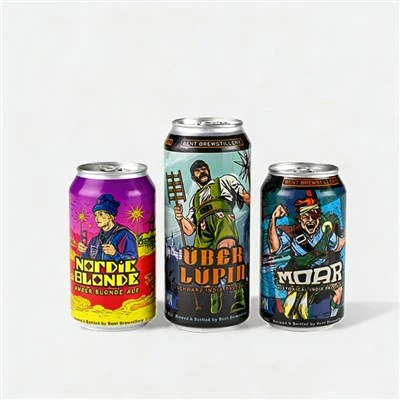
| Plastic bottles | Permanent or specialty plastic-compatible adhesive | Plastic type, surface energy, and curvature |
| Temporary price labels | Removable adhesive | Residue and removal performance |
| Refrigerated containers | Cold-temperature-rated adhesive | Application temperature and condensation |
| Humid environments | Suitable moisture-resistant label construction | Paper protection, adhesive, and exposure duration |
These are starting points rather than universal rules. The same adhesive may perform differently across different grades of plastic, paper coatings, and container finishes.
7. How to Prevent Paper Label Adhesion Problems
Even a suitable adhesive can fail when the label is applied under unsuitable conditions. Before approving a large order, check the following factors.
Clean the Receiving Surface
Dust, oil, moisture, and cleaning-product residue can interfere with bonding. Make sure the container surface is clean and dry when required by the adhesive specification.
Check the Application Temperature
The temperature at which a label is applied can differ from the temperature at which the product is later stored. If labels are applied in a cold room or used in refrigerated environments, confirm the adhesive's application and service temperature ranges.
Allow Time for Adhesion to Develop
Pressure-sensitive adhesives may build adhesion over time. Evaluate both initial tack and performance after an appropriate dwell period rather than judging the label immediately after application.
Test the Complete Label Construction
The paper face material, adhesive, liner, ink, and protective finish work together as a system. Test the complete label on the actual packaging and under realistic storage and handling conditions.
For more detailed testing guidance, read [How to Test Label Adhesive Before Mass Production] before confirming a production order.
FAQ
What is the best glue for paper labels?
There is no single best glue for every paper label. Permanent adhesive is a common starting point for labels intended to stay attached, while removable or low-tack adhesive may be better for temporary applications. The receiving surface and operating conditions should guide the final selection.
Does kraft paper require stronger adhesive than coated paper?
Not always. Kraft paper's texture and absorbency can affect the label construction, but the receiving surface is also critical. A clean glass jar may need a different adhesive solution from a rough cardboard box, even when both use kraft paper labels.
Can paper labels be waterproof?
Ordinary paper is generally vulnerable to prolonged water exposure. A protective coating or laminate may improve resistance, but the adhesive, printing, and complete construction must also be suitable for the intended conditions. For demanding wet applications, a synthetic film label may be more appropriate.
Which adhesive is best for removable paper labels?
A removable pressure-sensitive adhesive is designed for applications where labels may need to be removed. Clean removal depends on the surface, application duration, temperature, and adhesive formulation, so testing is recommended.
Why do paper labels peel off plastic bottles?
Possible causes include incompatible adhesive, low surface energy, curved or flexible packaging, contamination, and unsuitable application conditions. Confirm the plastic type and test an adhesive grade designed for the actual container.
Should I choose adhesive based on the paper or the container?
Both matter, but the receiving surface and usage conditions are often decisive. Select the paper for the required appearance and function, then confirm that the adhesive is compatible with the container and environment.
Conclusion
Choosing the right paper label adhesives requires more than matching a glue to a paper type. Coated paper, kraft paper, uncoated paper, textured paper, and cardstock each offer different visual and functional benefits, but the final adhesive choice must also account for the receiving surface, temperature, moisture, and removal requirements.
For most product labels, permanent adhesive is a useful starting point. Removable, low-tack, higher-tack, or specialty adhesives can be better suited to specific applications. Testing samples on the actual packaging before mass production helps reduce edge lifting, residue, and unexpected adhesion failures.