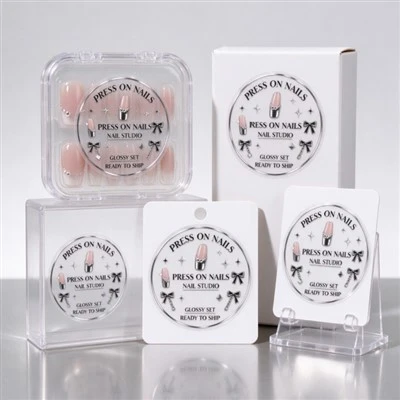
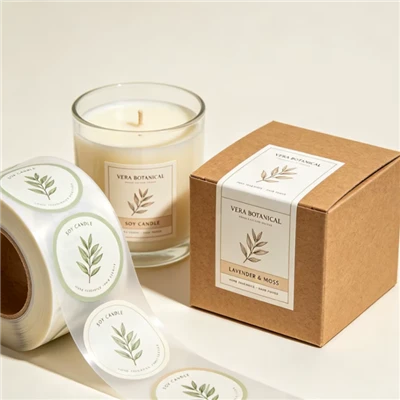
A beautiful label design can lose its impact when the printed colors fail to match expectations.
For packaging buyers, unexpected color differences may lead to additional revisions, delayed product launches, and inconsistent brand presentation.
Fortunately, many common CMYK printing problems can be reduced through proper artwork preparation, material selection, proofing, and production control.
Here are five issues worth understanding before ordering custom product labels.

1. Printed Colors Look Different From the Screen
One of the most common concerns is receiving printed labels that appear less vibrant than the original digital artwork.
Computer screens display colors using RGB light, while CMYK printing reproduces colors using physical inks.
Because their color gamuts differ, some bright RGB colors cannot be reproduced exactly in CMYK.
How to avoid it:
Request the printer's recommended color profile.
Preview artwork using suitable color-management settings.
Evaluate a physical proof when color accuracy is important.
For additional background, read our 【CMYK Offset Printing Guide】.
2. Colors Change Between Different Label Materials
The same artwork can appear different when printed on glossy paper, matte paper, or synthetic film.
Material characteristics influence ink behavior, reflectivity, and the final appearance of printed colors.
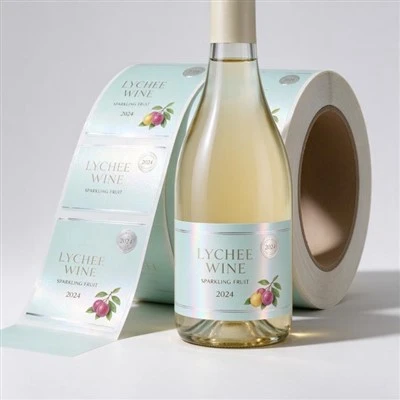
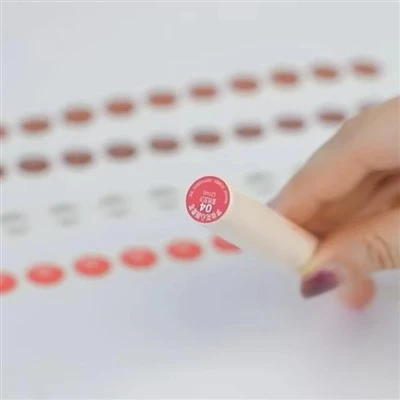
For instance, 【custom wine bottle labels】 may require an elegant paper finish, while 【waterproof cosmetic labels】 often need film materials suitable for moisture-prone environments.
These substrates may produce different visual results even when the original artwork is identical.
How to avoid it:
Confirm the actual label material before approving the final color proof. Avoid relying on a sample printed on a different substrate.

3. Blurry Text and Misaligned Colors
CMYK printing relies on accurate registration between four color separations.
When these layers are misaligned, fine text, outlines, and graphic elements may appear blurred or show unwanted colored edges.
This can be particularly noticeable on packaging containing small typography or detailed illustrations.
How to avoid it:
Supply high-quality artwork.
Follow the printer's minimum line-width and font-size requirements.
Review registration-sensitive elements during prepress.
Confirm an appropriate production proof.
For labels containing extensive small text, readability should always take priority over decorative complexity.
4. Inconsistent Colors Across Production Batches
For established brands, packaging consistency matters beyond the first order.
Imagine displaying the same product in several retail locations, only to find that the label colors vary between batches.
Differences in printing conditions, materials, color profiles, and finishing can contribute to these inconsistencies.
This is especially important for 【custom beverage labels】 produced repeatedly for different product flavors or seasonal campaigns.
How to avoid it:
Maintain approved artwork, substrate specifications, color references, and production requirements for future orders.
A documented physical reference can also help suppliers evaluate repeat production.

5. Finishing Changes the Final Color Appearance
Printing is not the final stage of label production.
Matte lamination, glossy coatings, and decorative finishes can influence how customers perceive the underlying colors.
For example, a matte finish may create a softer appearance, while gloss can increase perceived contrast.
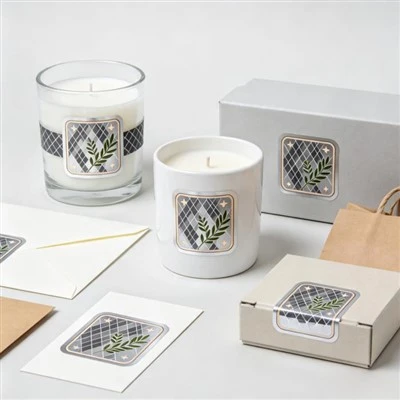
Premium 【custom foil stamped labels】 introduce additional visual elements that should be evaluated alongside the printed artwork.
How to avoid it:
Approve the complete label specification, including finishing, rather than evaluating the printed image alone.
How Speed Print Helps Buyers Prepare Custom Label Orders
Preventing printing problems begins with clear communication between the buyer and manufacturer.
At Speed Print, we provide customized label solutions based on individual packaging requirements.
A typical customization process includes:
Submit your artwork, dimensions, and estimated quantity.
Discuss suitable materials, printing methods, and finishing options.
Confirm technical specifications and proofing requirements.
Approve the final production details.
Arrange manufacturing, quality checks, packaging, and shipment according to the confirmed order.
If your project involves shorter runs or frequently updated artwork, our 【UV Digital Printing vs Traditional Printing Guide】 can help you explore another production option.

Summary
CMYK printing problems are not always caused by the printing machine itself.
Artwork preparation, color conversion, substrate selection, registration, and finishing all influence the final result.
By confirming these factors before production, packaging buyers can reduce avoidable revisions and improve consistency across repeat orders.
FAQ
1. Why do CMYK colors look dull compared with RGB?
RGB displays can reproduce certain bright colors that fall outside the standard CMYK printing gamut.
2. Can CMYK printing guarantee identical colors every time?
No printing process can guarantee absolute visual identity under all conditions. Controlled production and agreed color tolerances help improve consistency.
3. Does label material affect printing quality?
Yes. Surface properties, coatings, and material characteristics can influence color reproduction.
4. Should I approve a sample before bulk printing?
A physical production-representative proof is recommended when color accuracy, finishing, or material performance is important.
5. How can I improve color consistency for repeat orders?
Keep approved artwork, material specifications, color references, and finishing requirements consistent.
Need Reliable Custom Label Printing?
Speed Print supports customized label printing for brands seeking attractive packaging and dependable production communication.
Contact our team with your artwork and packaging requirements to discuss suitable materials, printing methods, and finishing options.
References
Adobe. Process Colors (CMYK) Overview.
International Color Consortium. Information on ICC Profiles.
Pantone. Spot vs. Process Color.
Speed Print. CMYK Offset Printing: High-Quality Labels for Packaging Brands.