Introduction
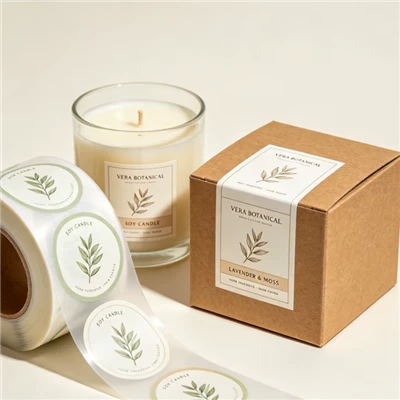
Labels are no longer just a way to display product information. In today's competitive packaging market, labels have become an important part of brand communication, product positioning, and customer experience.
A well-designed label can influence how consumers perceive a product before they even try it. The choice of printing technology, finishing process, material, and surface effect can determine whether a product looks simple, professional, premium, or luxurious.
Modern label production includes various printing and finishing technologies, such as CMYK printing, Pantone color printing, digital printing, offset printing, flexographic printing, UV printing, hot stamping, embossing, laser engraving, and more.
Different printing processes create different visual effects and performance characteristics. Choosing the right technology depends on the product type, packaging environment, production quantity, and brand positioning.
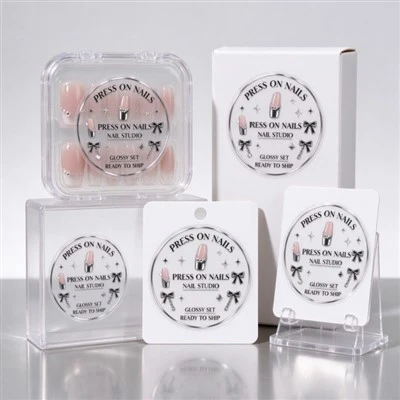
For brands looking for professional packaging solutions, 【custom printed labels】 can combine different printing methods and finishing techniques to create unique product packaging.
Understanding Different Label Printing Technologies
Label printing technology has developed significantly in recent years. Traditional printing methods are still widely used for large-volume production, while digital printing and advanced finishing technologies provide more flexibility for customized packaging.
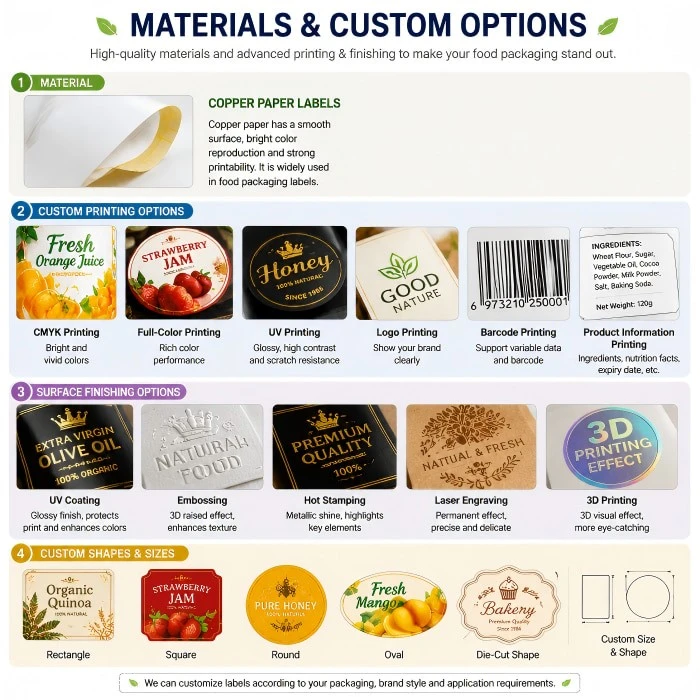
CMYK printing is one of the most common methods used in label production. It uses four basic colors - cyan, magenta, yellow, and black - to create a wide range of colors and images. This process is suitable for labels requiring detailed graphics, product images, and colorful designs.
For brands that require highly accurate brand colors, Pantone printing is often preferred. Unlike CMYK, Pantone printing uses standardized color formulas to reproduce specific colors consistently. This makes it especially valuable for companies that need the same brand colors across different packaging products.
Digital printing has become increasingly popular because it provides flexibility for modern brands. It does not require traditional printing plates, allowing faster production preparation and easier customization. Digital printing is suitable for products with multiple designs, smaller production runs, personalized packaging, or brands testing new products.
Offset printing remains a preferred option for applications requiring excellent image quality and smooth color reproduction. It is commonly used for premium packaging where fine details and professional appearance are important.
Flexographic printing is widely used for high-volume label production. It offers high production efficiency, stable quality, and compatibility with different label materials. It is commonly used for food packaging, beverage labels, household products, and other consumer goods.
UV printing uses ultraviolet light to instantly cure ink during printing. This technology provides strong color performance, sharp details, and improved durability, making it suitable for products requiring higher resistance to moisture, handling, or environmental exposure.
For brands exploring different printing solutions, 【digital printed labels】 offer an efficient option for flexible production, while large-scale projects may benefit from traditional printing methods such as flexographic or offset printing.
How Printing Processes Affect Label Appearance and Performance
The printing process does more than create colors. It directly affects the appearance, durability, and overall impression of the packaging.
Color accuracy is one of the most important factors in label printing. A brand's colors represent its identity, so consistency is essential. CMYK printing works well for complex images and colorful designs, while Pantone printing provides better control for specific brand colors.
For example, a beverage company with a recognizable signature color may choose Pantone printing to ensure that every product maintains the same visual identity. A food brand using detailed illustrations may prefer CMYK printing for better image reproduction.
Durability is another important consideration. Some products are exposed to moisture, sunlight, chemicals, or frequent handling. In these cases, printing technology needs to work together with the right label material and protective finishing.
UV printing, thermal transfer printing, and laser printing are often used when labels require better resistance to environmental conditions. These technologies are commonly applied to industrial products, outdoor products, healthcare packaging, and products requiring long-lasting information visibility.
Beyond functionality, printing technology also affects the emotional value of packaging. Premium brands often use special effects to create a stronger connection with customers.
Decorative Finishing Techniques That Make Labels Stand Out
Printing creates the basic design, but finishing processes add texture, depth, and premium visual effects.
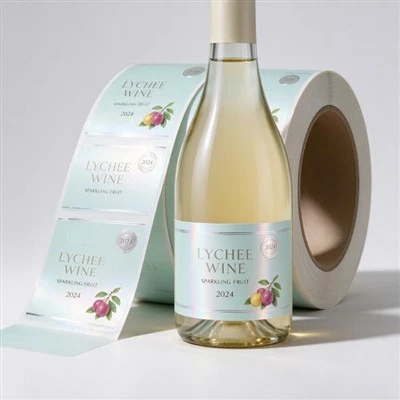
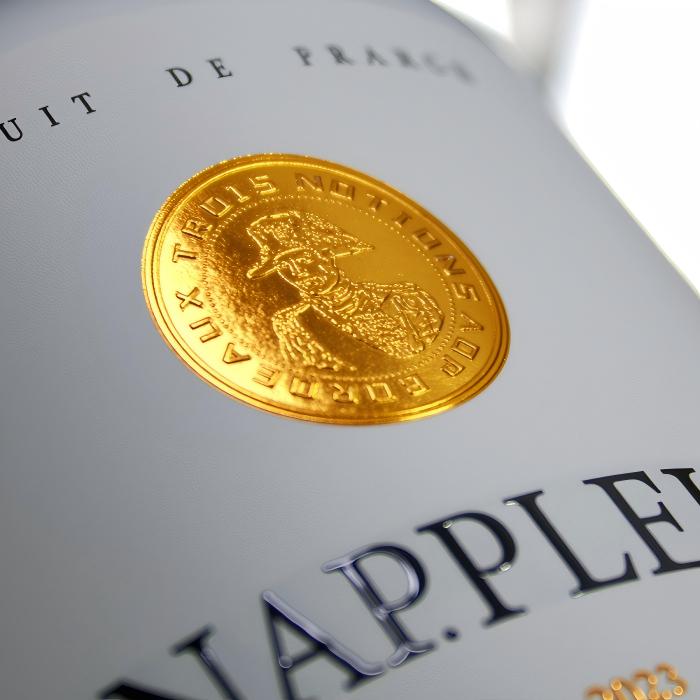
Hot stamping and gold stamping are widely used to create metallic effects on labels. By transferring metallic foil onto the label surface, these processes create a luxurious appearance commonly seen in wine labels, cosmetics, premium food products, and gift packaging.
Cold stamping is another method for creating metallic effects. Compared with traditional hot stamping, cold stamping can provide more flexibility for certain printing combinations and is often used together with modern printing technologies.
Embossing and debossing are finishing techniques that create a three-dimensional effect.
Embossing raises specific areas of the label surface, making logos, patterns, or text physically stand out.
Debossing creates a recessed effect by pressing the design into the material.
These techniques add a tactile experience, allowing customers to physically feel the difference in packaging quality.
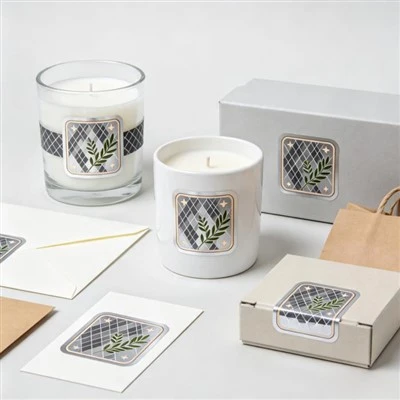
Die cutting is another important process that determines the final shape of the label. Instead of using only standard rectangles, brands can create unique shapes that match their packaging design and improve product recognition.
Laser engraving and laser etching provide highly precise marking capabilities. They are often used for decorative patterns, security features, or permanent identification.
For luxury products that require a stronger visual impact, 【premium labels】 often combine multiple finishing techniques, such as foil stamping, embossing, and special coatings.
Choosing the Right Printing Technology for Different Products
There is no single printing method that works best for every product. The right choice depends on the product category, packaging environment, and brand objectives.
Cosmetic products often focus heavily on visual appeal. Packaging needs to communicate quality, style, and brand positioning. Printing methods such as digital printing, UV printing, foil stamping, and embossing are commonly used to create premium cosmetic packaging.
Food and beverage products usually require a balance between appearance and durability. Labels need to maintain clear graphics while handling moisture, refrigeration, transportation, and frequent customer handling.
Healthcare and pharmaceutical products often prioritize accuracy and readability. Printing technologies need to ensure clear text, reliable information, and consistent quality.
Industrial products may require labels that can withstand chemicals, abrasion, temperature changes, or outdoor conditions. Durable printing methods combined with suitable materials are essential for these applications.
For brands developing different product categories, working with an experienced 【custom label manufacturer】 can help select the most suitable combination of printing process, material, and finishing method.
How Brands Decide Between Different Printing Processes
When selecting a label printing method, brands should consider several factors instead of focusing only on appearance.
The first factor is product positioning.
A luxury product may require premium effects such as gold stamping, embossing, or matte finishes.
A mass-market product may focus more on production efficiency, color consistency, and cost control.
The second factor is production quantity.
Digital printing is often suitable for smaller quantities because it provides flexibility without complicated setup.
Flexographic printing and offset printing are commonly preferred for larger production volumes because they provide stable quality and efficiency.
The third factor is the product environment.
Brands should consider whether labels will be exposed to:
Water
Humidity
Chemicals
Temperature changes
Outdoor conditions
Frequent handling
A beautiful label that cannot maintain performance during use may negatively affect the product experience.
The best label solution balances appearance, functionality, production requirements, and cost.
Combining Printing Technologies for Better Packaging Results
Modern packaging increasingly uses a combination of different printing and finishing technologies.
Instead of choosing only one process, brands often combine multiple techniques to create unique packaging effects.
Examples include:
CMYK printing combined with gold stamping for luxury product designs.
Digital printing combined with matte finishing for modern minimalist packaging.
UV printing combined with embossing for durable and premium labels.
Offset printing combined with special coatings for high-end retail products.
These combinations allow brands to create packaging that is visually attractive while maintaining practical performance.
For competitive markets, packaging differentiation has become increasingly important. A unique label can help products attract attention, communicate quality, and strengthen brand recognition.
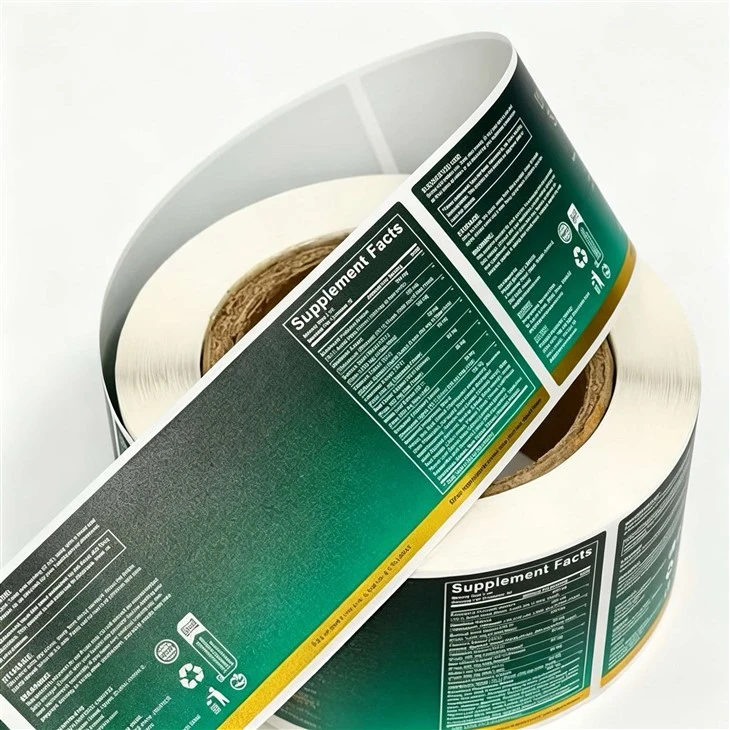
Common Applications of Different Label Printing Processes
Different industries have different requirements for label printing.
Cosmetics and skincare brands often use premium finishing techniques because packaging plays a major role in purchasing decisions.
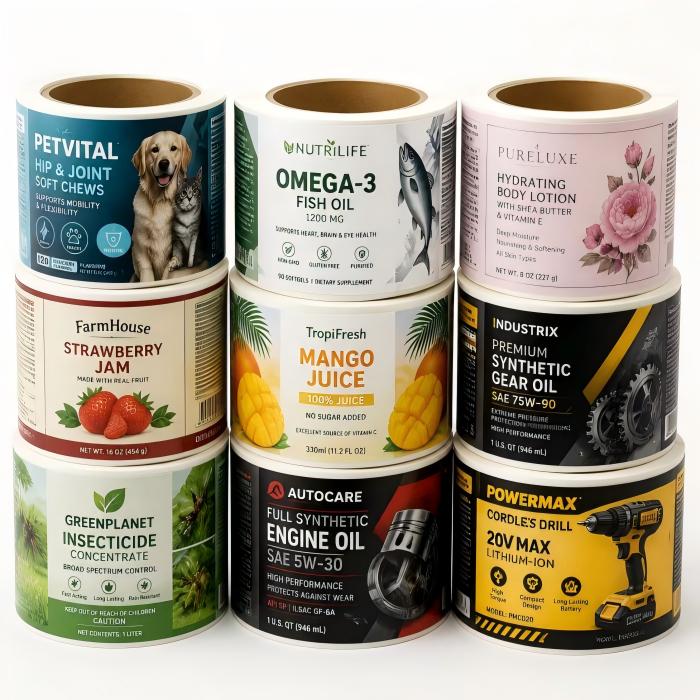
Food and beverage companies usually require reliable printing quality combined with moisture resistance and attractive designs.
Healthcare and pharmaceutical brands need accurate, clear, and durable printing for important product information.
Industrial companies often focus on durability, chemical resistance, and long-term readability.
Regardless of the industry, the right printing process should support both product performance and brand goals.
Future Trends in Label Printing
The label industry continues to develop as brands demand more personalized and sustainable packaging solutions.
Several trends are shaping the future of label printing:
Digital printing continues to grow because brands need more flexibility, shorter production cycles, and customized packaging.
Sustainable label materials and environmentally friendly printing solutions are becoming increasingly important as companies focus on reducing packaging impact.
Smart packaging technologies, including QR codes and interactive labels, are creating new ways for brands to connect with customers.
Premium finishing techniques remain popular because brands continue to search for ways to differentiate products in competitive markets.
The future of label printing is not only about producing labels. It is about creating packaging experiences.
Conclusion
Label printing technology has developed far beyond basic color reproduction. Today, brands can choose from various printing methods and finishing techniques to create packaging that communicates quality, value, and identity.
CMYK and Pantone printing provide reliable color solutions. Digital printing offers flexibility for modern brands. Offset and flexographic printing support efficient production. UV printing improves durability, while stamping, embossing, and other finishing techniques create premium packaging effects.
The best printing solution depends on the product, market positioning, application environment, and production requirements.
By choosing the right combination of printing technology and finishing processes, brands can transform ordinary labels into powerful tools for product differentiation and customer recognition.
Frequently Asked Questions (FAQ)
What is the most common printing method for labels?
CMYK printing, digital printing, and flexographic printing are among the most commonly used label printing methods. The best option depends on product requirements, quantity, and design complexity.
What is the difference between CMYK and Pantone printing?
CMYK creates colors by combining four printing colors, while Pantone printing uses standardized color formulas for more accurate brand color matching.
Which printing process is best for premium labels?
Premium labels often combine multiple techniques, including foil stamping, embossing, UV printing, and special coatings.
Is digital printing suitable for small orders?
Yes. Digital printing is ideal for small and medium quantities because it provides flexible production without traditional plate setup.
Can one label use multiple printing effects?
Yes. Many high-end labels combine printing and finishing techniques to create unique visual and tactile effects.
Which printing method is suitable for waterproof labels?
UV printing, digital printing, and flexographic printing can all be used for waterproof labels when combined with suitable materials and protective finishes.
References
FINAT – European Association for the Self-Adhesive Label Industry
https://www.finat.com/
Labels & Labeling – Global Label Industry Information
https://www.labelsandlabeling.com/
Smithers – Packaging and Label Industry Research
https://www.smithers.com/
Avery Dennison – Label Materials and Solutions
https://label.averydennison.com/
Packaging Europe – Packaging Innovation Trends
https://packagingeurope.com/