Introduction
Packaging is no longer just a protective layer around a product. In today's global market, packaging has become a powerful communication tool between brands and consumers.
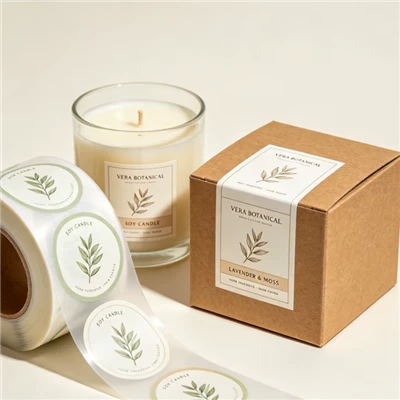
Among all packaging components, labels may appear small, but they play a critical role in product identification, brand communication, compliance, logistics management, and customer experience.
From pharmaceutical bottles and cosmetic containers to food packaging and consumer products, labels connect the physical product with the information, identity, and trust behind the brand.

1. Labels Are More Than Decoration: They Are the Information Center of Packaging
Many people think labels are mainly used for product decoration. However, in modern packaging systems, labels perform multiple essential functions.
A label provides important information such as:
Product name
Brand identity
Ingredients
Usage instructions
Manufacturing information
Barcode and QR code
Batch number
Expiration date
Safety information
For industries like pharmaceuticals, healthcare, food, and cosmetics, accurate labeling is not optional. It directly affects product safety, customer trust, and market compliance.
A well-designed label allows customers to quickly understand the product while helping companies maintain accurate product information throughout the supply chain.

2. Labels Help Brands Stand Out in a Competitive Market
With thousands of products competing on shelves and online platforms, packaging has become one of the most important factors influencing customer decisions.
Before customers understand the quality of a product, they first see:
Packaging design
Colors
Logo presentation
Label quality
Overall appearance
A professionally designed custom label can create a stronger brand impression through:
Unique shapes
Premium materials
Special finishes
High-quality printing
Consistent brand colors
For startups and established brands, custom labels provide a flexible way to upgrade packaging without completely changing the product container.
3. Labels Improve Product Protection and User Experience
Modern labels are not only about visual appearance. Many labels are designed to solve practical packaging challenges.
Waterproof Labels
Products in industries such as healthcare, cosmetics, beverages, and outdoor products may face moisture exposure.
Waterproof labels help maintain:
Clear printing
Product information visibility
Professional appearance
Durable Labels
Some products require labels that can withstand:
Friction
Temperature changes
Chemicals
Transportation conditions
Materials such as BOPP, PET, and synthetic paper are commonly selected for these applications.
Tamper-Evident Labels
For products where safety is important, tamper-evident labels provide additional protection by showing whether packaging has been opened or damaged.

4. Labels Are Critical for Supply Chain Management
Modern businesses rely heavily on accurate product tracking.
Labels with digital information technologies help companies manage products efficiently.
Common technologies include:
Barcode Labels
Barcodes allow companies to:
Track inventory
Improve warehouse efficiency
Reduce manual errors
QR Code Labels
QR codes can connect physical products with digital information, including:
Product details
Authentication systems
Customer instructions
Marketing content
Variable Data Printing
Variable printing allows each label to contain unique information, such as:
Serial numbers
Batch information
Production dates
This technology is especially important for pharmaceutical, medical, and industrial products.
5. Different Industries Have Different Label Requirements
Not all labels are the same. Different industries require different materials, printing technologies, and performance features.
Pharmaceutical Labels
Pharmaceutical labels require:
Clear small text printing
Strong adhesion
Barcode accuracy
Durable materials
Common applications include:
Medicine bottles
Vials
Medical packaging
Cosmetic Labels
Cosmetic brands focus more on:
Premium appearance
Luxury finishes
Transparent labels
Attractive designs
Food & Beverage Labels
Food labels usually require:
Moisture resistance
Food packaging compatibility
Clear product information
Supplement Labels
Health supplement brands often need labels that combine:
Professional appearance
Ingredient information
Durable performance

6. Custom Labels Provide Flexible Packaging Solutions
One of the biggest advantages of custom labels is flexibility.
Compared with fully customized packaging containers, custom labels allow brands to:
Reduce packaging development costs
Update product designs easily
Create multiple product versions
Support small and medium production runs
For growing brands, labels are often the most efficient way to create professional packaging while maintaining production flexibility.
7. Sustainable Labels Are Becoming a Key Packaging Trend
Sustainability is changing the packaging industry.
Brands are increasingly looking for labels that support environmental goals, including:
Recyclable materials
Eco-friendly paper options
Reduced material waste
Sustainable printing solutions
As consumers pay more attention to environmental responsibility, sustainable labels are becoming an important part of modern packaging strategies.
8. Printing Technology Is Driving Label Innovation
Advances in printing technology have expanded what labels can achieve.
Modern label printing technologies include:
Digital Printing
Advantages:
Flexible production
Fast turnaround
Suitable for customized designs
Supports variable data
UV Printing
Advantages:
Strong durability
Bright colors
Special effects
Special Finishing
Including:
Hot stamping
Embossing
Matte finishing
Gloss finishing
These technologies help brands create differentiated packaging experiences.

9. Choosing the Right Label Supplier Matters
A professional label supplier does more than print labels.
The right partner should provide:
Material recommendations
Printing solutions
Quality control
Packaging experience
Production consistency
International shipping support
For global brands, choosing a reliable label manufacturer helps reduce production risks and ensures consistent product quality.
Conclusion
Labels have become an essential part of modern packaging. They are no longer just stickers attached to products - they are a combination of branding, information communication, product protection, and supply chain management.
From pharmaceutical products and healthcare packaging to cosmetics, food, and consumer goods, the right label solution helps brands improve product value and build stronger connections with customers.
As packaging continues to evolve toward customization, sustainability, and smart technology, labels will remain a critical component of the global packaging industry.
Frequently Asked Questions (FAQ)
Why are labels important in the packaging industry?
Labels are essential because they provide product information, support brand recognition, improve product identification, and help companies meet packaging and regulatory requirements. Modern labels also support tracking technologies such as barcodes and QR codes.
What information should be included on packaging labels?
Packaging labels may include product names, ingredients, usage instructions, manufacturer information, batch numbers, expiration dates, barcodes, QR codes, and safety information depending on the industry and product type.
How do labels improve brand recognition?
Custom labels help brands create a unique visual identity through colors, materials, finishes, and design elements. A well-designed label can help products stand out and create a stronger connection with customers.
What types of industries need custom packaging labels?
Custom labels are widely used in:
Pharmaceutical industry
Healthcare products
Food and beverage
Cosmetics and beauty products
Supplements and wellness products
Industrial products
Different industries require different materials, adhesives, and printing technologies.
Are waterproof labels important for packaging?
Yes. Waterproof labels are important for products exposed to moisture, refrigeration, transportation, or frequent handling. Materials such as BOPP and PET are commonly used for durable packaging labels.
How do modern labels support supply chain management?
Labels with barcodes, QR codes, and variable data printing help businesses track products, manage inventory, improve traceability, and reduce errors during logistics and distribution.
What are sustainable labels?
Sustainable labels use environmentally responsible materials and printing solutions to reduce environmental impact. They may include recyclable materials, eco-friendly papers, and improved production processes.
How can brands choose the right label supplier?
Brands should consider:
Manufacturing experience
Printing technology
Material options
Quality control
Customization ability
Production capacity
International shipping experience
References
Sustainable Packaging News – The Role of Labels in Modern Packaging
Esko – Why Packaging Labels Influence Consumer Perception
PackM – The Importance of Correct Labeling in Packages
Packaging Connections – Importance of Labelling
Smart Packaging Hub – Labels and Packaging: Innovation, Traceability and Sustainability