Choosing the right label material is an important decision for pharmaceutical companies, healthcare brands, and supplement manufacturers.
Unlike ordinary product labels, medicine bottle labels need to maintain readability and durability throughout storage, transportation, and daily use. Factors such as moisture exposure, temperature changes, container shape, and product requirements all influence the best material choice.
Different applications require different solutions. Some products need waterproof performance, while others require premium appearance, transparency, or cost efficiency.
This guide compares the most common materials used for 【pharmaceutical bottle labels】, including PP, PET, paper, and transparent film, to help healthcare brands make better packaging decisions.
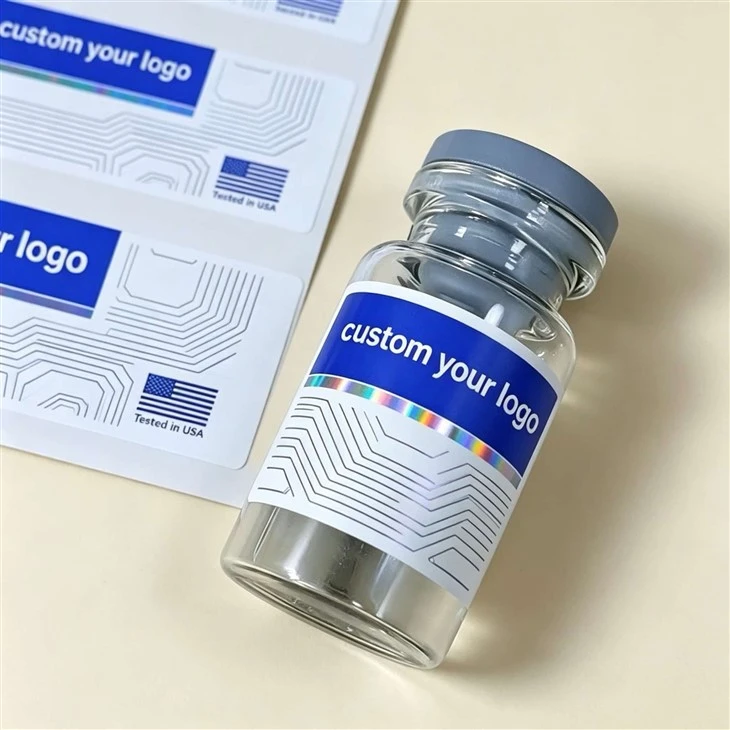
Why Label Material Selection Matters for Healthcare Products
Healthcare and pharmaceutical packaging often faces more demanding conditions than general consumer products.
Labels on medicine bottles and healthcare containers may encounter:
Humidity and moisture
Refrigerated storage
Transportation friction
Chemical exposure
Long storage periods
Choosing an unsuitable material may result in:
Label peeling
Wrinkling
Ink fading
Poor product identification
Reduced packaging appearance
A professional 【pharmaceutical labels manufacturer】 can help brands select suitable materials based on product requirements and packaging conditions.
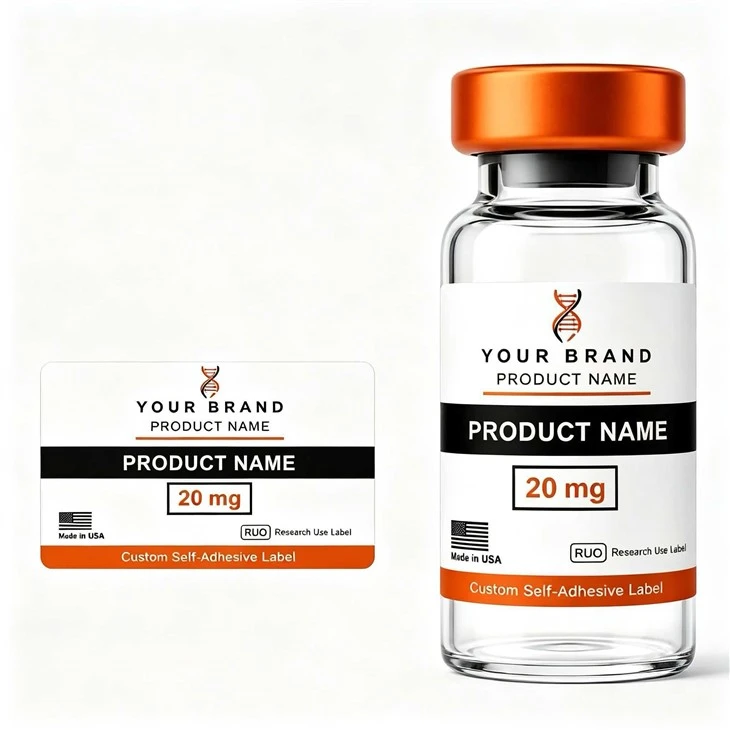
Common Label Materials for Medicine Bottles and Healthcare Products
Different label materials offer different advantages. The most common options include PP, PET, paper, and transparent film.
| Material | Main Advantages | Common Applications |
|---|---|---|
| PP (Polypropylene) | Waterproof, chemical resistant, flexible | Medicine bottles, supplement containers |
| PET (Polyester) | Durable, premium appearance, strong resistance | Medical packaging, high-end healthcare products |
| Paper | Cost-effective, eco-friendly appearance | General healthcare packaging |
| Transparent Film | Clear appearance, premium visual effect | Supplements, wellness products |
PP Labels: Waterproof and Chemical Resistant
Polypropylene (PP) is one of the most commonly used materials for medicine bottle labels.
Its main advantages include:
Excellent moisture resistance
Good durability
Resistance to oils and chemicals
Flexible performance on curved containers
PP labels are suitable for products that require long-lasting performance, especially when packaging may be exposed to humidity or frequent handling.
Common applications include:
Prescription medicine bottles
Vitamin containers
Supplement packaging
Healthcare products
For brands looking for durable solutions, 【waterproof labels】 made from PP materials are often a reliable choice for challenging environments.
PET Labels: Durable and Premium Packaging Solution
PET (Polyester) labels are known for their strength and high-quality appearance.
Compared with standard materials, PET provides:
Higher durability
Better resistance to temperature changes
Excellent dimensional stability
Premium visual performance
PET labels are commonly used for:
Pharmaceutical packaging
Medical products
Premium supplement brands
For healthcare brands that want packaging with a professional and high-end appearance, PET is often selected because it maintains its quality throughout the product lifecycle.
PET labels are especially suitable when products require additional protection against environmental factors.
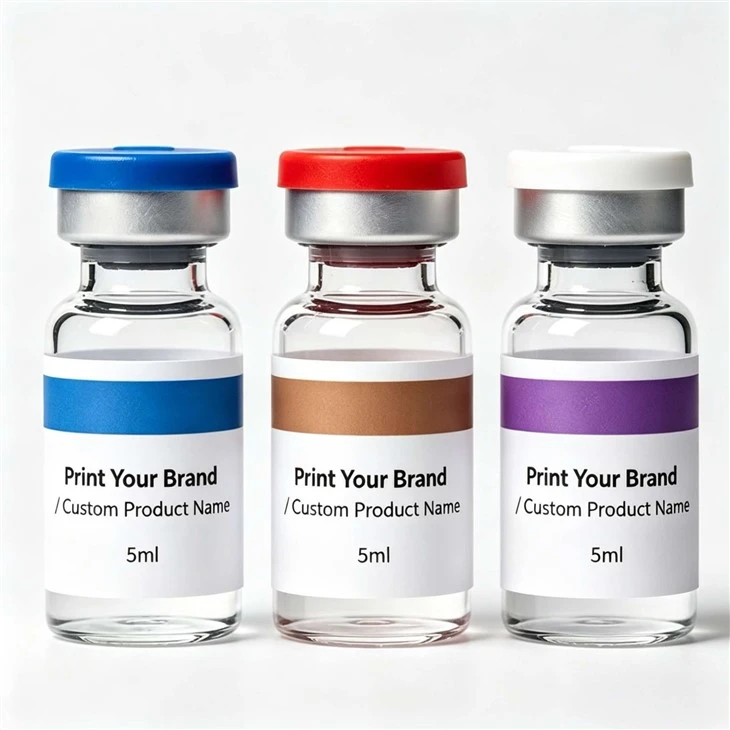
Paper Labels: Cost-Effective and Versatile Option
Paper labels remain a popular choice for many healthcare applications because they offer:
Lower material cost
Easy printing performance
Natural and traditional appearance
They are commonly used for:
Secondary packaging
Dry storage products
General healthcare products
However, paper labels have limitations compared with film materials.
They may be less suitable for:
High humidity environments
Refrigerated products
Products requiring long-term moisture resistance
Brands should evaluate storage and usage conditions before choosing paper labels.
Transparent Film Labels: Creating a Premium Appearance
Transparent film labels provide a unique "no-label" appearance by allowing the container surface to show through.
Key benefits include:
High transparency
Modern packaging appearance
Premium shelf presentation
Strong visual appeal
Transparent labels are often used for:
Supplements
Beauty healthcare products
Wellness products
Clear bottles
They are especially popular among brands that want a clean and minimalist packaging style.
For companies developing premium products, 【custom healthcare labels】 with transparent film materials can help improve brand presentation.
How to Choose the Right Material for Medicine Bottle Labels
When selecting materials for medicine bottle labels, brands should consider several factors.
Container Material
Different containers require different label solutions.
Common container types include:
Glass bottles
HDPE plastic bottles
PET bottles
Medical containers
The label material and adhesive should work well with the container surface.
Storage Conditions
Consider where the product will be stored.
Important factors include:
Temperature
Humidity
Refrigeration requirements
Transportation conditions
For products exposed to moisture or cold environments, film-based materials such as PP and PET often provide better performance.
Product Positioning
Material selection is also related to brand image.
For example:
Premium supplements may prefer transparent film or PET
Mass-market healthcare products may choose PP or paper
Eco-focused brands may consider paper-based solutions
The right material should balance performance, appearance, and cost.
Printing Considerations for Healthcare Labels
Material selection is only one part of producing high-quality healthcare labels.
Printing technology also affects final performance.
Modern 【digital label printing】 provides advantages for healthcare brands, including:
High-resolution printing
Accurate small text reproduction
Multiple SKU flexibility
Short production runs
This is particularly useful for supplement and healthcare companies launching new products or managing different product variations.
Material Comparison: PP vs PET vs Paper vs Transparent Film
PP vs PET
Both are durable film materials.
PP:
More flexible
Cost-effective
Suitable for everyday medicine bottles
PET:
Stronger durability
More premium appearance
Better for demanding applications
Film Labels vs Paper Labels
Film labels:
Better moisture resistance
Longer durability
Suitable for challenging environments
Paper labels:
More economical
Suitable for dry conditions
Traditional appearance
There is no single "best" material for every healthcare product. The right choice depends on product requirements, packaging conditions, and brand goals.Different healthcare products require different label materials depending on container type, storage environment, and product requirements. Understanding these differences is important when selecting a supplier. Brands can learn more about 【Best Label Materials for Medicine Bottles and Healthcare Products】 before choosing the right labeling solution.
Conclusion
Choosing the right material for medicine bottle labels and healthcare products is essential for maintaining packaging quality and product information visibility.
PP, PET, paper, and transparent film each provide different advantages:
PP offers waterproof and chemical resistance
PET provides durability and premium appearance
Paper delivers cost efficiency
Transparent film creates a modern packaging effect
Healthcare brands should evaluate product requirements, storage conditions, and packaging goals before selecting a label material.
Working with an experienced 【pharmaceutical label supplier】 can help companies choose the right material and create reliable packaging solutions.
FAQ
The best material depends on the application. PP is commonly used because it offers waterproof performance and durability, while PET is preferred for premium and demanding applications.
Yes. PP labels are widely used for pharmaceutical bottles because they provide moisture resistance, flexibility, and good durability.
PET labels generally provide better durability and moisture resistance, while paper labels are more cost-effective for dry environments.
Yes. Transparent film labels are commonly used for supplement and wellness products because they create a clean and premium appearance.
Consider the container type, storage environment, product requirements, and desired packaging appearance. A professional label supplier can provide material recommendations based on your application.
References
U.S. Food & Drug Administration (FDA) - Drug Labeling Requirements
https://www.fda.gov/drugs/drug-approvals-and-databases/drug-labeling
European Medicines Agency (EMA) - Product Information and Packaging Requirements
https://www.ema.europa.eu
International Organization for Standardization (ISO) - ISO 15378 Primary Packaging Materials for Medicinal Products
https://www.iso.org