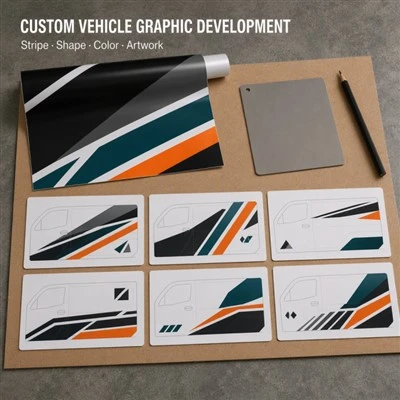
Introduction
A product label is more than a simple sticker placed on packaging. It is an important communication tool between brands and customers, providing essential product information while influencing purchasing decisions. A well-designed label helps consumers understand what they are buying, how to use the product, and why they should trust the brand.
For businesses, choosing the right product label design requires careful consideration of information, materials, printing methods, and visual presentation. Different industries have different labeling requirements. Food products need ingredient and expiration details, cosmetics require usage and formula information, while electronic products often need safety instructions and tracking codes.
This guide explains what information should be included on product labels and how brands can create professional packaging that combines functionality, durability, and attractive design.
Why Product Labels Are Important for Brands
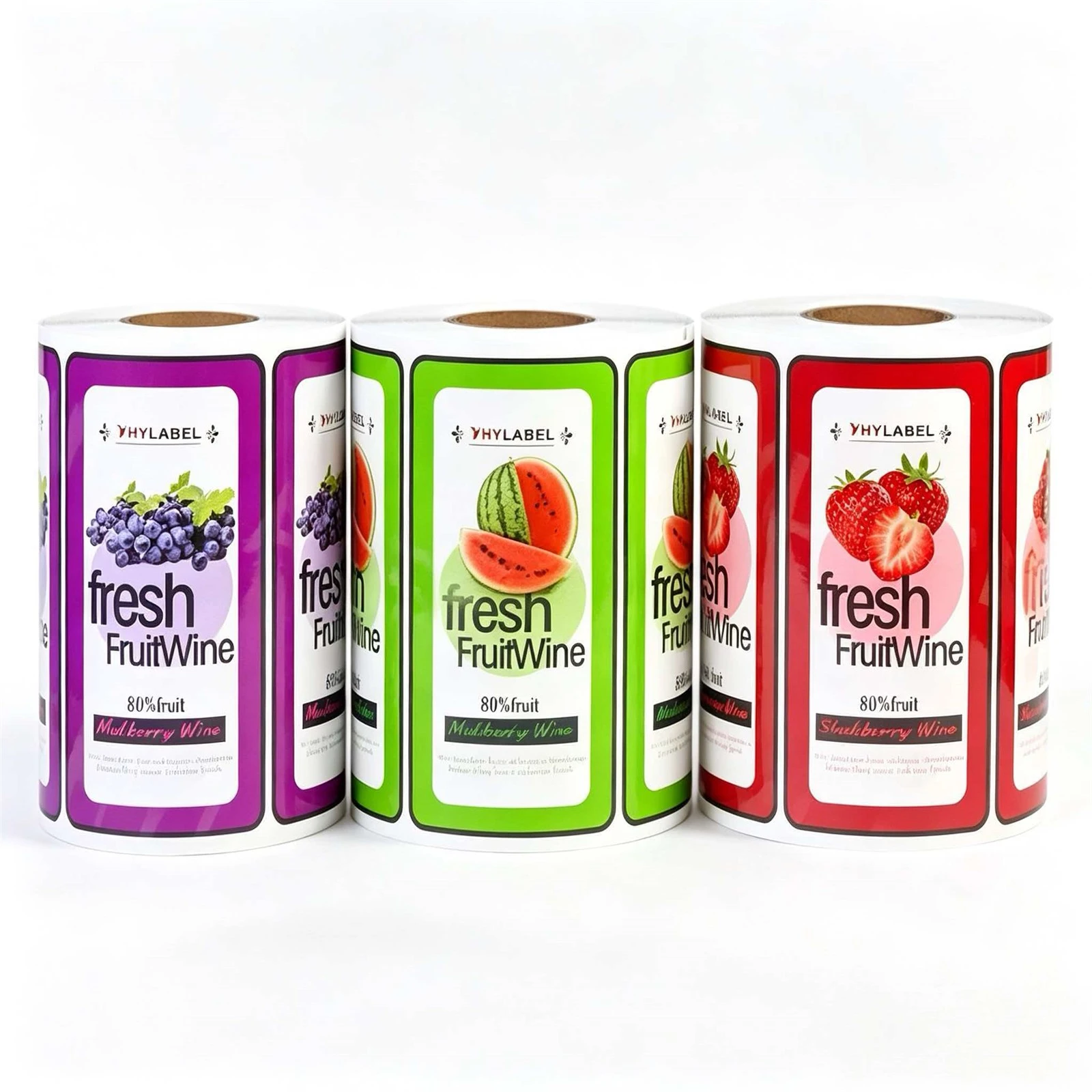
Product labels play several important roles throughout the product lifecycle. They not only provide information to customers but also support brand recognition, inventory management, and market positioning.
A professional label can help brands:
Create a strong first impression
Communicate product features clearly
Improve customer confidence
Build consistent brand identity
Protect products during storage and transportation
For growing companies, customized labels provide more flexibility compared with standard stickers. Brands can choose different sizes, shapes, materials, colors, and finishing effects based on their packaging requirements.
For example, premium products may use foil stamping, embossing, or special textures to create a luxury appearance, while everyday consumer products may focus on durability and easy application.
Choosing suitable materials is also important because different packaging surfaces require different label solutions. You can learn more about material selection through our guide about 【BOPP and PET label materials】.

Essential Information Every Product Label Should Include
Although label requirements vary between industries and countries, most professional product labels include several basic elements.
Brand Name and Product Name
The brand name and product name are usually the first information customers notice. They help consumers quickly identify the product and connect it with the company behind it.
A complete product label often includes:
Brand logo
Product name
Product category
Brand slogan or message
For new brands entering competitive markets, customized stickers can create a more professional appearance and help products stand out on retail shelves.
A consistent labeling style across different products also helps customers recognize the brand more easily.
Product Description and Main Features
Many products include a short description to explain their main benefits or characteristics.
Examples include:
Food products:
Organic ingredients
Natural formula
Special flavors
Cosmetic products:
Moisturizing effects
Skin benefits
Key ingredients
Electronic products:
Product functions
Technical advantages
Compatibility information
The product description should be clear and easy to understand. Too much information can make labels look crowded, while too little information may leave customers uncertain about the product.
A good label design balances marketing messages with practical details.
Label Information Requirements by Industry
Different industries require different types of product information. Understanding these differences helps brands create labels that are both attractive and functional.
Food Product Labels: Ingredients, Weight, and Expiration Information
Food packaging labels are closely related to consumer safety and product transparency. Customers usually check product information before making purchasing decisions.
Important information commonly includes:
Ingredients List
The ingredients section explains what materials are used in the product.
It may include:
Main ingredients
Allergens
Additives
Nutritional information
Clear ingredient information helps customers understand the product and make suitable choices.
Net Weight or Volume
The product quantity should be displayed clearly.
Examples:
250g
500ml
1L
Accurate weight information is especially important for packaged foods and beverages.
Production and Expiration Dates
Food labels often need to include:
Manufacturing date
Expiration date
Storage instructions
Because many food products are exposed to moisture, refrigeration, or frequent handling, durable materials are commonly selected.
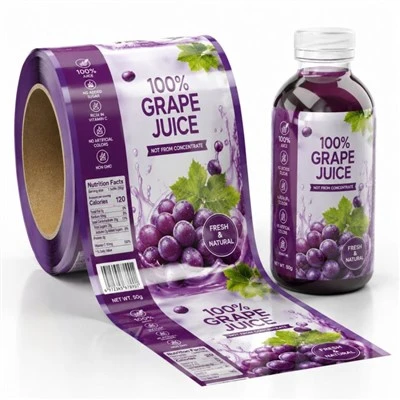
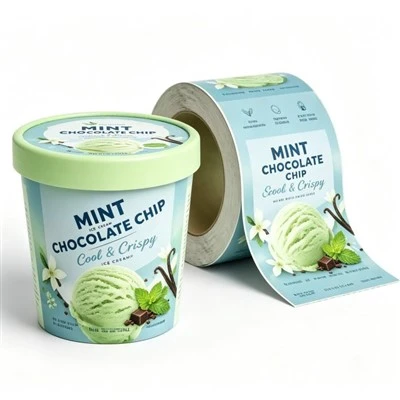
Brands looking for reliable packaging options can explore 【food and beverage label solutions】 designed for different product environments.
Cosmetic Labels: Ingredients, Benefits, and Usage Instructions
Cosmetic packaging relies heavily on visual appeal because customers often evaluate products through appearance before purchase.
A cosmetic label usually includes:
Product Benefits
Brands often highlight key functions such as:
Hydrating
Repairing
Refreshing
Anti-aging
These messages help customers quickly understand product value.
Usage Instructions
Clear instructions improve customer experience.
Examples:
Apply evenly to skin
Use after cleansing
Avoid contact with eyes
Ingredient Information
Cosmetic labels usually display:
Active ingredients
Natural extracts
Formula details
Since many cosmetics are used in bathrooms or humid environments, labels need strong adhesion and moisture resistance.
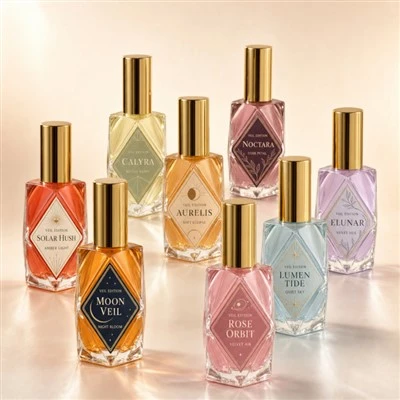
For perfume bottles, skincare containers, and beauty packaging, brands often choose 【waterproof cosmetic bottle labels】 with premium printing effects.
Electronic Product Labels: Safety Information, Model Numbers, and Barcodes
Electronic products usually require labels that provide identification and safety information.
Common details include:
Model Number and Product Identification
Model numbers help customers and manufacturers distinguish between different product versions.
Safety Instructions
Warning information may include:
Electrical safety notices
Operating instructions
Technical specifications
Barcode and QR Code
Barcodes and QR codes support:
Inventory management
Product tracking
After-sales service
Electronic products often face heat, friction, and long-term usage conditions. Therefore, durable materials are commonly selected.
For products requiring excellent resistance and long-lasting performance, many companies choose 【PET labels for electronic applications】.

How to Design an Effective Product Label
A successful label should not only contain complete information but also present it in a clear and attractive way.
Keep Information Organized
A crowded label can make important information difficult to find. Good label design uses proper spacing and visual hierarchy.
A practical layout usually includes:
Brand information at the top
Product name in a noticeable position
Key features in the middle area
Required information at the bottom
The goal is to make customers understand the product within a few seconds.
Choose the Right Label Material
Material selection directly affects label performance.
Different packaging surfaces require different solutions:
Glass bottles:
Strong adhesion
Smooth finish
Water resistance
Plastic containers:
Flexible materials
Good surface bonding
Metal products:
Heat and chemical resistance
Paper packaging:
Decorative appearance
Selecting the wrong material may cause problems such as peeling, wrinkling, or damage during transportation.
Understanding adhesive performance is also important. You can read more about this topic in 【label adhesive selection for different packaging surfaces】.
Printing and Finishing Options for Product Labels
Modern printing technology allows brands to create unique and attractive packaging.
Common printing and finishing options include:
Digital printing
Offset printing
Gold foil stamping
Silver foil effects
Embossing
UV coating
Holographic effects
Premium finishing techniques can improve product appearance and create a stronger connection with customers.
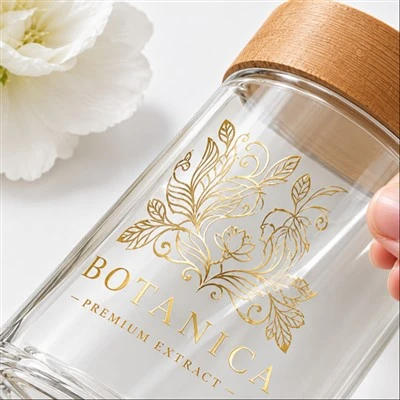
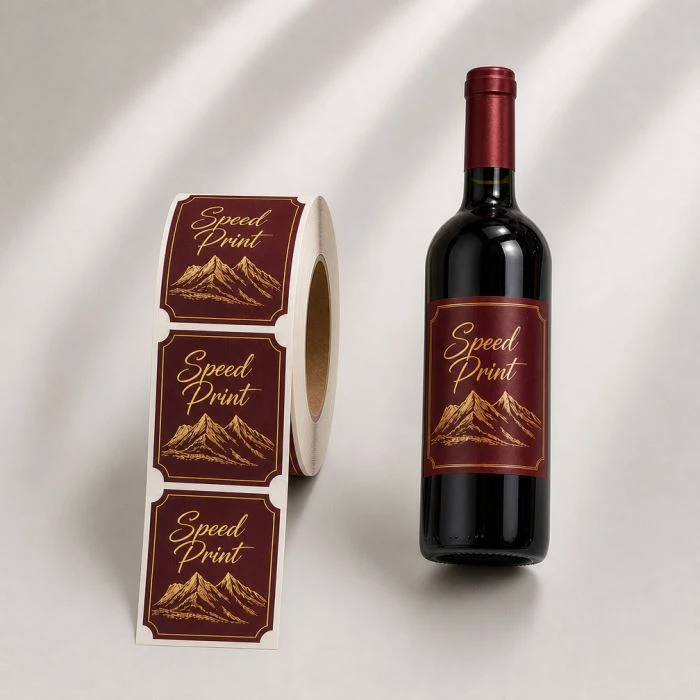
For example, wine, perfume, and gift products often use decorative finishes to create a high-end feeling. Brands can explore 【premium wine and beverage labels】 for more examples of luxury packaging styles.
How SpeedPrint Helps Brands Create Custom Product Labels
SpeedPrint provides customized label printing solutions for brands in food, cosmetics, beverages, electronics, and retail industries.
With professional production experience and advanced printing technology, we help customers create labels that match their product requirements, from material selection to final finishing.
Our customization services include:
Different label materials
Custom shapes and sizes
Multiple printing methods
Decorative finishing options
Design support
Matching packaging solutions
Whether you need waterproof bottle labels, retail product stickers, or complete packaging support, SpeedPrint can provide flexible solutions for different markets.
You can also learn more about our manufacturing capabilities through 【custom packaging printing services】.

Frequently Asked Questions
What information is required on a product label?
The required information depends on the product type and market regulations. Common details include brand name, product name, ingredients, usage instructions, warnings, and barcode information.
What material is best for product labels?
The best material depends on the packaging environment. BOPP is commonly used for waterproof applications, PET is suitable for durable products, and paper labels are often selected for decorative packaging.
Can product labels be customized in different shapes and sizes?
Yes. Custom labels can be produced in different shapes, dimensions, colors, materials, and finishing options according to brand requirements.
Are waterproof labels suitable for food and cosmetic packaging?
Yes. Waterproof labels are widely used for products exposed to moisture, refrigeration, or frequent handling because they provide better durability.
Conclusion
Product labels are an essential part of modern packaging. They provide important information, support brand communication, and influence how customers perceive products.
Whether you are developing food packaging, cosmetic products, electronic devices, or retail goods, choosing the right information, materials, and printing techniques can improve both product performance and market appeal.
A professional label does not simply identify a product-it helps brands build trust and create a memorable customer experience. With customized packaging solutions from SpeedPrint, businesses can create labels that combine practical performance with strong visual impact.