Introduction
If you are shopping for custom stickers, brand labels or premium packaging finishes, you will frequently run into the term specialty printing products.
Specialty printing is a specialized printing branch different from standard CMYK offset printing. It uses unique substrates, specialty inks and post‑press finishing techniques to deliver visual, tactile and functional results that regular paper printing cannot produce.
Many small‑business owners, Etsy sellers, brand managers and B2B wholesale buyers look for durable, eye‑catching custom vinyl stickers and custom labels. Choosing the wrong printing craft may lead to fading, peeling or wasted budget.
In this guide, we break down major specialty‑printing product categories, side‑by‑side product comparison, real‑world use‑cases, buying tips and frequently asked questions to help you pick the right solution for your project.

1. Main Categories of Specialty Printing Products
1.1 Specialty Printing By Substrate Material
Traditional printing mostly prints on ordinary paper. Specialty printing enables printing on many non‑paper substrates for consumer and industrial‑grade applications.
Metal‑based prints: Produced with gravure or offset printing on tinplate and aluminum foil. Common for food cans and cosmetic metal packaging.
Glass‑surface prints: Printing on glassware, cosmetic bottles and architectural glass. Finishes deliver high abrasion‑resistance and waterproof performance.
Film & vinyl substrate prints: PVC, clear film and waterproof vinyl are extremely popular for custom sticker production. For transparent vinyl stickers, white ink printing is mandatory, otherwise your graphic will look translucent. Waterproof custom vinyl stickers fall into this group.
Other special‑material prints: Printing solutions for leather, ceramics and wood for personalized merchandise.
1.2 Specialty Printing By Function & Finishing Craft
This group relies on special inks and post‑press processes to add extra decorative, protective or security features.
1.2.1 UV Digital Printing
UV printing uses UV‑curable ink that hardens instantly under ultraviolet light. UV‑printed stickers are scratch‑resistant, waterproof and can create raised tactile texture. It is the top choice for small‑batch custom stickers and crystal transfer labels.
1.2.2 Hot Stamping & Cold Foil Printing
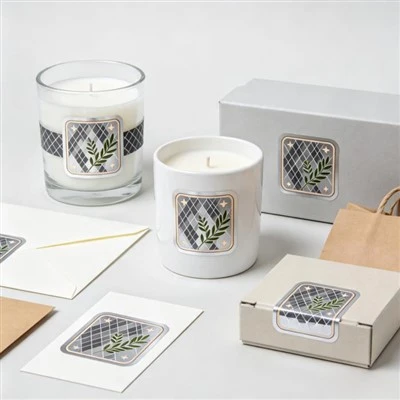
Hot stamping transfers metallic foil onto surfaces under heat and pressure, creating shiny gold, silver or holographic effects. Cold foil works better for small‑batch and irregular‑shaped sticker orders. Hot‑stamping labels are widely used for luxury packaging and candle jar branding.
1.2.3 Multi‑Sensory Specialty Printing Finishes
Emboss & Deboss: Creates concave and convex texture without ink, adding tactile feeling for high‑end packaging and stickers.
Glow‑in‑dark printing: Uses light‑storage luminous ink for safety signs and decorative craft stickers.
Silk‑screen printing: Creates thick, solid ink layers, ideal for bold‑color vinyl decals.
1.2.4 Anti‑Counterfeiting & Smart Functional Printing
Includes laser holographic prints, VOID tamper‑evident security labels and conductive‑ink printing for electronic component marking.

2. Side‑by‑Side Comparison of Popular Specialty‑Printing Stickers
Table 1: Performance, features and suggested MOQ for mainstream custom specialty‑printing stickers
| Product Type | Core Craft | Water‑proof | UV‑resistance | Tactile Feature | Best Use Cases |
|---|---|---|---|---|---|
| Waterproof Vinyl Sticker | CMYK full‑color print + surface lamination | ✅ Excellent | ✅ Good | Flat smooth surface | Outdoor decals, brand product stickers |
| UV‑Printed Custom Sticker | UV digital curing printing | ✅ Excellent | ✅ Excellent | Raised 3D texture | Crystal transfer labels, premium logo decals |
| Hot‑Stamping Foil Sticker | CMYK print + hot stamping finish | ✅ Medium | ✅ Medium | Metallic shiny appearance | Luxury gift boxes, candle jar labels |
| Glow‑In‑Dark Sticker | Luminous specialty ink printing | ✅ Good | ⚠️ Fair | Flat surface | Safety warning signs, craft decorative stickers |
| Embossed Sticker | Offset print + emboss process | ⚠️ Fair | ⚠️ Fair | Noticeable concave‑convex touch | Premium greeting cards, high‑end packaging |
Important Note: Always order physical samples before bulk production. Samples help you verify real‑world color, texture and outdoor durability.
3. Buyer's Guide: How To Pick The Right Specialty Printing Solution
3.1 Match Printing Crafts To Your Real‑World Scenarios
Long‑term outdoor usage: Choose laminated UV‑printed vinyl stickers. They resist sunlight fading and rain damage.
Luxury brand aesthetic: Go for hot stamping or spot UV finishing to upgrade your brand visual effect.
Clear bottles or transparent window decals: You must add white‑ink under‑printing for transparent vinyl substrates. Without white ink, patterns become see‑through.
Small‑batch custom orders: UV digital printing is far more cost‑effective than traditional silk‑screen printing.
3.2 Key Checkpoints Before Placing Bulk Orders
Prepare print‑ready artwork with minimum 300 DPI resolution for sharp outputs.
Confirm substrate thickness, adhesive type and lamination requirements with your printer.
Request physical sample swatches to test color, texture and stickiness.
Double‑check compliance requirements for your target selling regions.

4. Frequently Asked Questions
Q: What is the difference between CMYK full‑color printing and UV printing?
A: CMYK full‑color printing is a standard color‑rendering method. UV printing describes an ink‑curing technology. Many high‑quality vinyl stickers combine CMYK for rich colors with UV‑cured ink to achieve waterproof and scratch‑proof performance.
Q: Are UV‑printed vinyl stickers suitable for outdoor use?
A: Yes. UV‑cured ink plus vinyl lamination supports outdoor applications. Qualified products can keep stable color performance for 2‑5 years under regular outdoor climate.
Q: Do clear vinyl stickers require white‑ink printing?
A: Yes. Without a white‑ink base layer, graphics on transparent vinyl will appear translucent. White‑ink printing counts as an important specialty‑printing process for clear‑material sticker projects.
Q: Should I choose hot stamping or UV printing for small‑batch custom stickers?
A: Cold foil combined with UV digital printing works best for low‑quantity orders. Traditional hot stamping requires expensive metal dies, which raises costs for small runs.
Q: Why do my custom stickers peel off after application?
A: Common causes include dirty application surfaces, low‑grade adhesive, or applying rigid UV transfer stickers onto curved soft surfaces. Clean and dry the target surface before sticking to reduce peeling risk.
5. Final Thoughts
Specialty printing breaks the limits of ordinary paper printing by using unique substrates, special inks and post-press finishing. Waterproof vinyl stickers, UV-printed decals and hot-stamping labels remain high-demand custom-printing products for modern brands.
When you place custom printing orders, balance application environment, visual expectations, order quantity and total budget. Always test physical samples before mass production to avoid costly mistakes. As a professional specialty printing manufacturer with 17+ years of industry experience, we provide one-stop custom sticker and label solutions with advanced printing equipment, flexible MOQs, fast production and factory-direct pricing, perfectly matching all kinds of personal and commercial custom printing needs.
Have any questions about specialty printing products, custom sticker & label solutions, or want to get a free custom quote? Feel free to contact our professional sales team anytime!【Contact Us】
References
[1] Types of Specialty Printing Products, Industry Technical Document, 2026‑05‑20
[2] SmartBuy Buying Guide: How to Choose Sticker Printing for Your Brand or Project, 2025
[3] CustomAny Blog, UV Stickers vs. Vinyl Stickers: How to Choose the Best Material, 2024
[4] ASTM D4236, Standard Practice for Labeling Art Materials for Chronic Health Hazards