Introduction
Knowing how to remove labels can save time when reusing glass jars, cleaning packaging containers, or preparing products for a new design. However, peeling off a sticker does not always remove all the adhesive. Paper may tear, sticky residue may remain, and aggressive cleaning methods can damage the surface underneath.
The best method for sticker residue removal depends on the label material, adhesive strength, and surface type. Some labels come off easily after soaking in warm water, while others require gentle heat or a suitable cleaning product.
In this guide, we explain practical ways to remove labels, how to deal with stubborn adhesive, and which methods are suitable for glass, plastic, metal, and ceramic surfaces.
Important: Always test your chosen method on a small, inconspicuous area first. Check the manufacturer's care instructions, especially for painted, coated, printed, or delicate surfaces.
1. Five Practical Methods for Removing Labels
Different labels respond to different removal methods. Start with the gentlest option and move to a stronger method only when necessary.
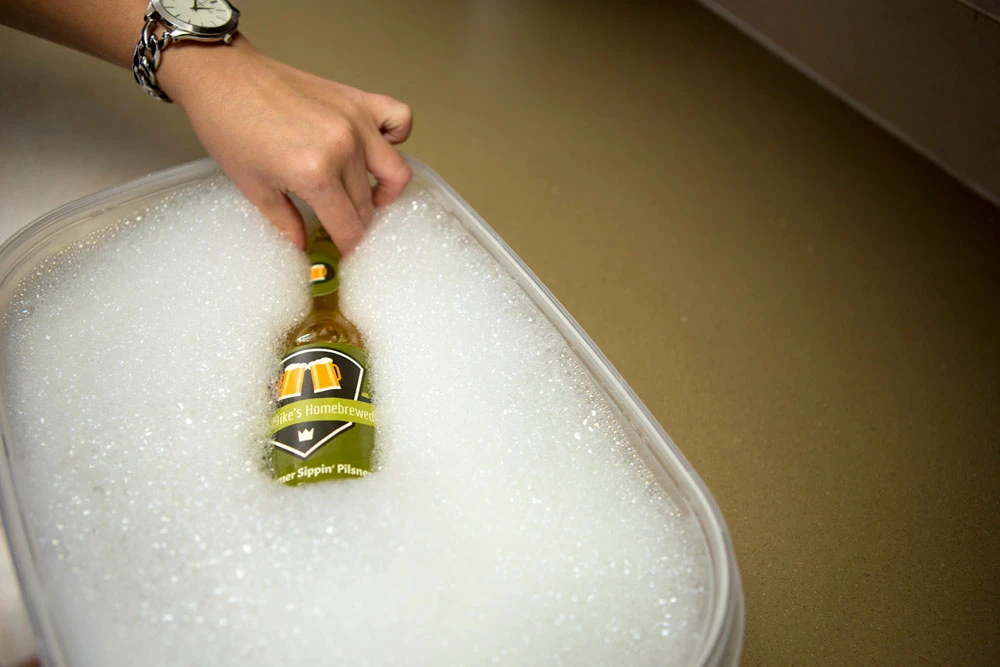
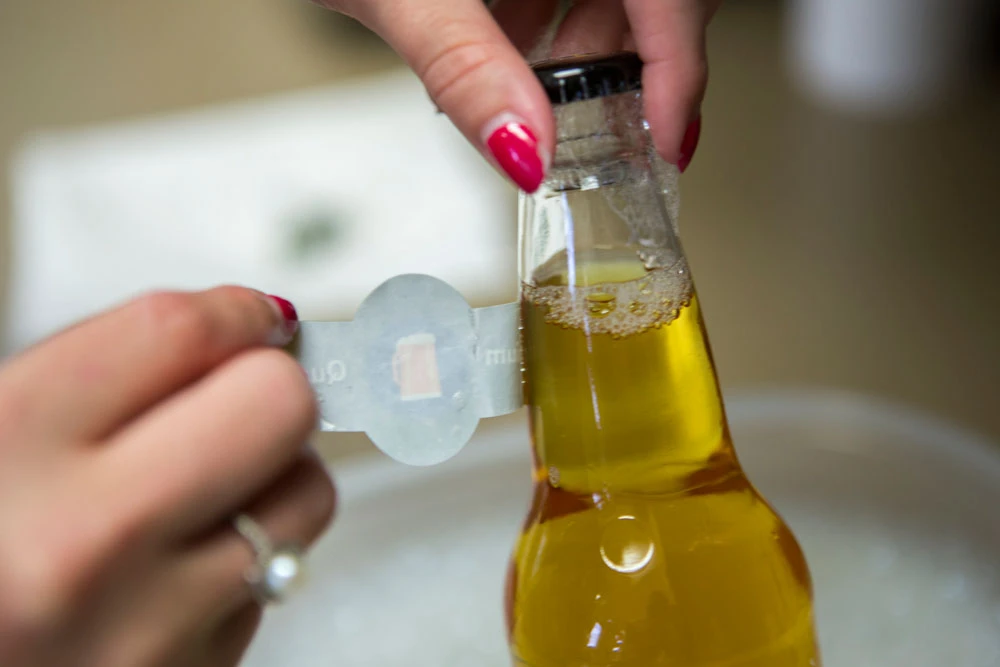
Method 1: Warm Water and Dish Soap
Warm water is often the easiest starting point for removing paper labels from glass jars and other water-resistant objects.
How to do it:
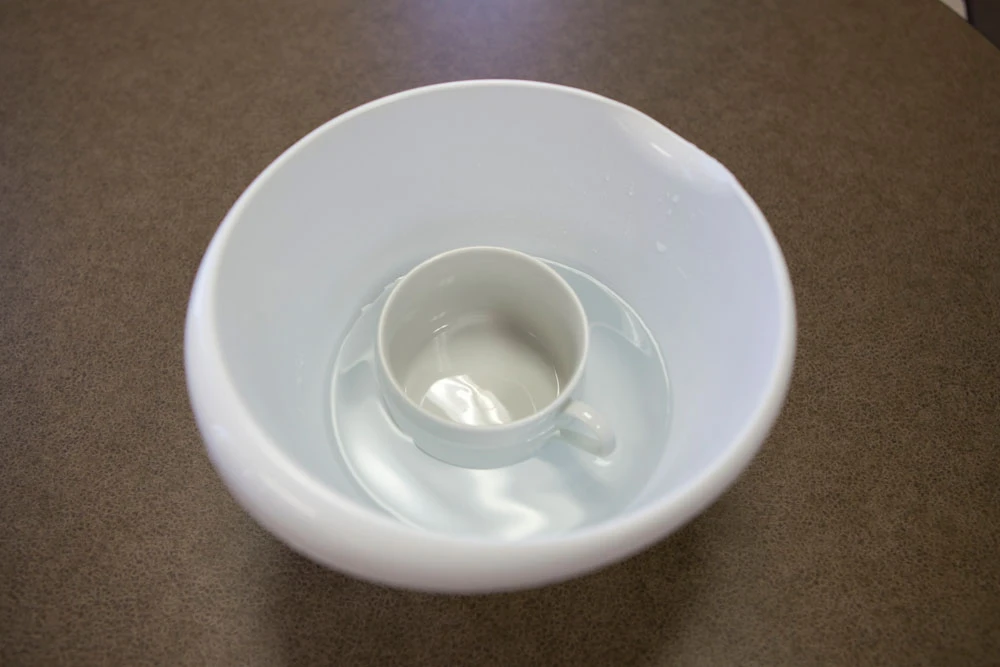
Fill a container with warm water and add a small amount of dish soap.
Soak the item for 15–30 minutes, if the material is suitable for soaking.
Gently lift one corner of the label with your fingernail or a plastic scraper.
Peel slowly and wipe away any remaining adhesive.
Some labels need longer soaking times, particularly when they use water-resistant materials or stronger adhesives.
This method is especially useful when you want to remove labels from glass jars without using strong chemicals.
Method 2: Hair Dryer and Gentle Heat
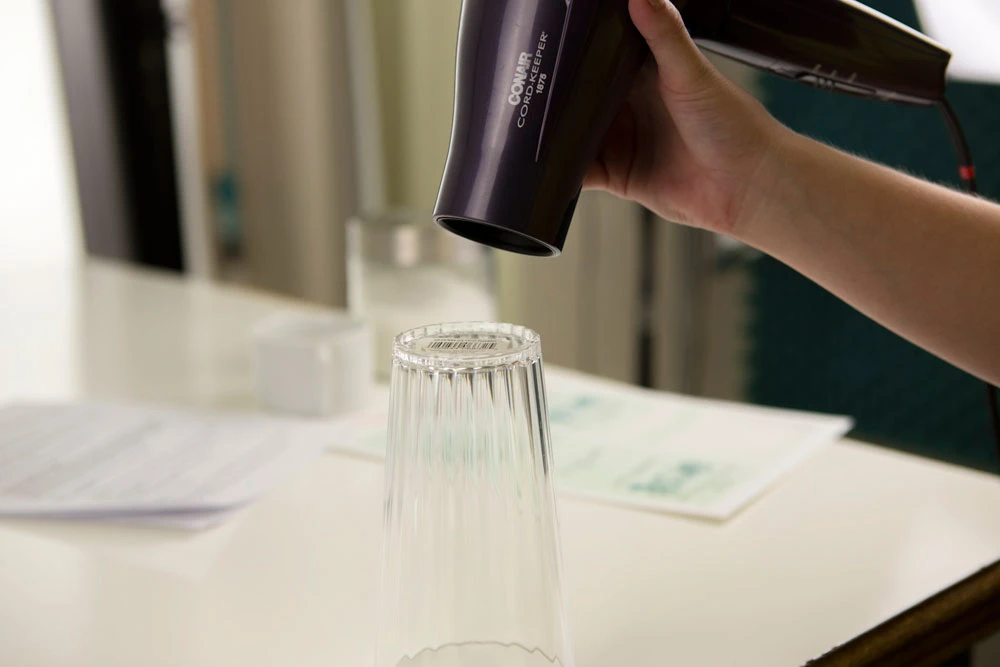
Heat can soften certain pressure-sensitive adhesives, making the label easier to peel away.
How to do it:
Set a hair dryer to a low or moderate heat setting.
Keep it moving over the label for short intervals.
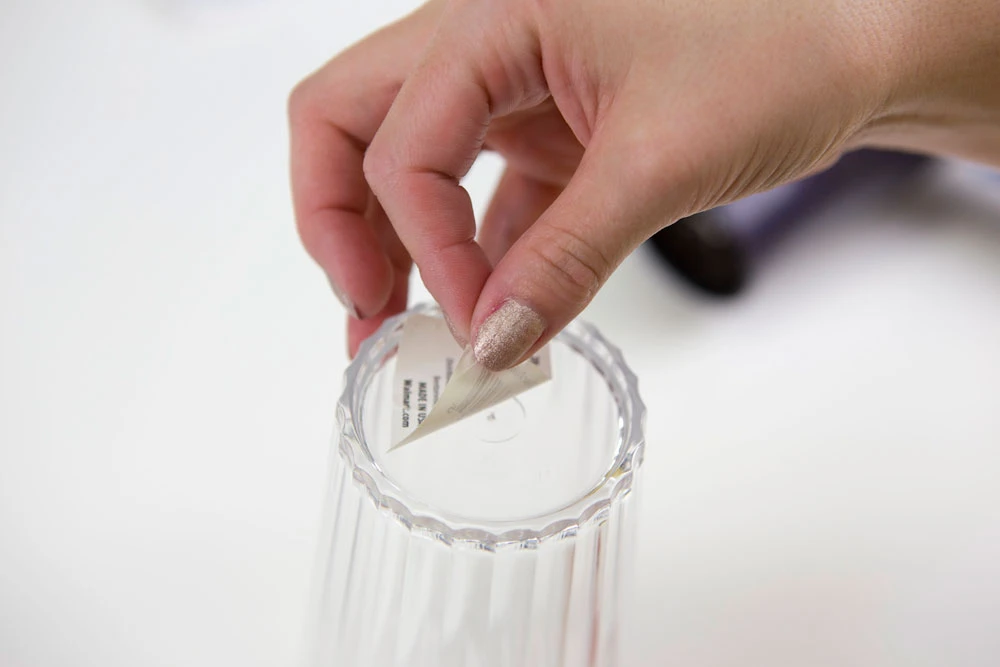
Test one corner to see whether the adhesive has softened.
Slowly peel the label away while applying gentle heat if needed.
Avoid excessive heat on plastic containers, thin packaging, painted surfaces, or objects that may deform. Do not use a hair dryer near flammable cleaning products.
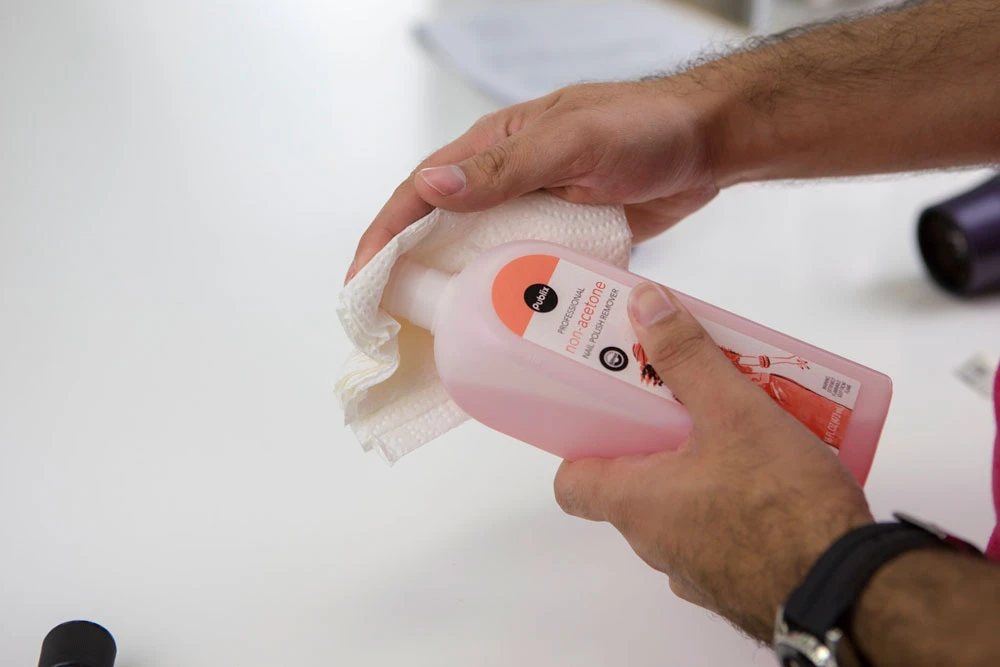
Method 3: Rubbing Alcohol
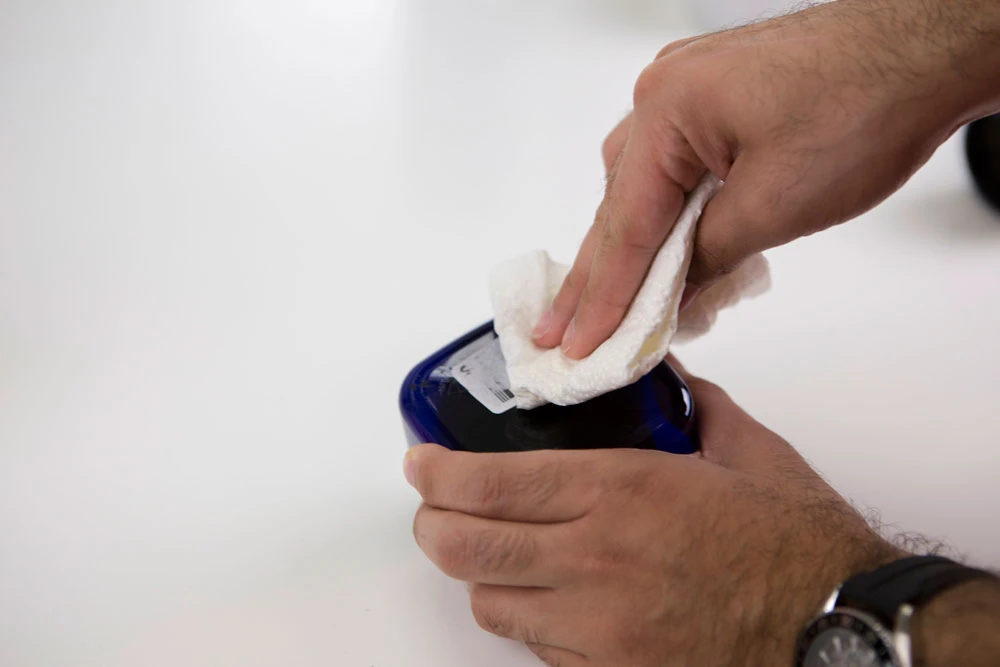
Rubbing alcohol can help loosen some adhesive residues on compatible, nonporous surfaces.
How to do it:
Apply a small amount to a soft cloth rather than pouring it directly onto the object.
Dab the residue and allow a short contact time.
Gently wipe or roll the softened adhesive away.
Clean the surface according to its care instructions.
Test first because alcohol may damage certain coatings, printed designs, paints, and plastics. Keep it away from flames and ensure good ventilation.
Method 4: White Vinegar
White vinegar may help loosen some label adhesives, especially on suitable glass or ceramic objects.
How to do it:
Dampen a cloth with white vinegar.
Place it over the label for approximately 10–20 minutes.
Check whether the label can be lifted without force.
Remove the label and wipe the surface clean.
Do not assume vinegar is safe for every material. Avoid prolonged contact with natural stone, sensitive finishes, and surfaces that may react to acidic liquids.

Method 5: Commercial Adhesive Removers
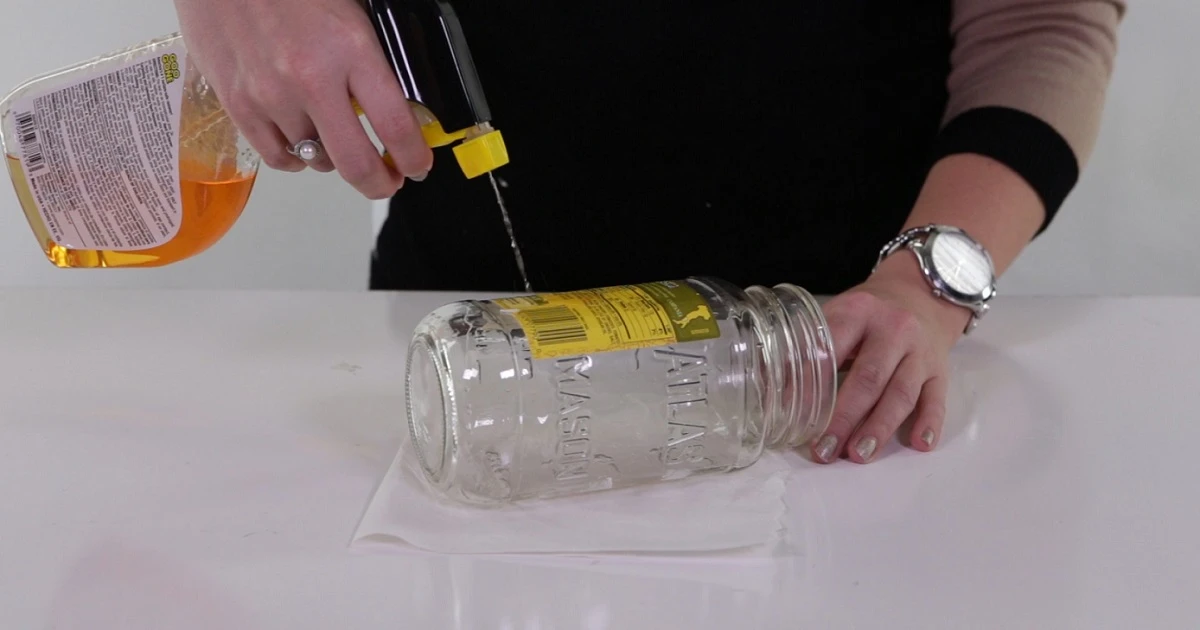
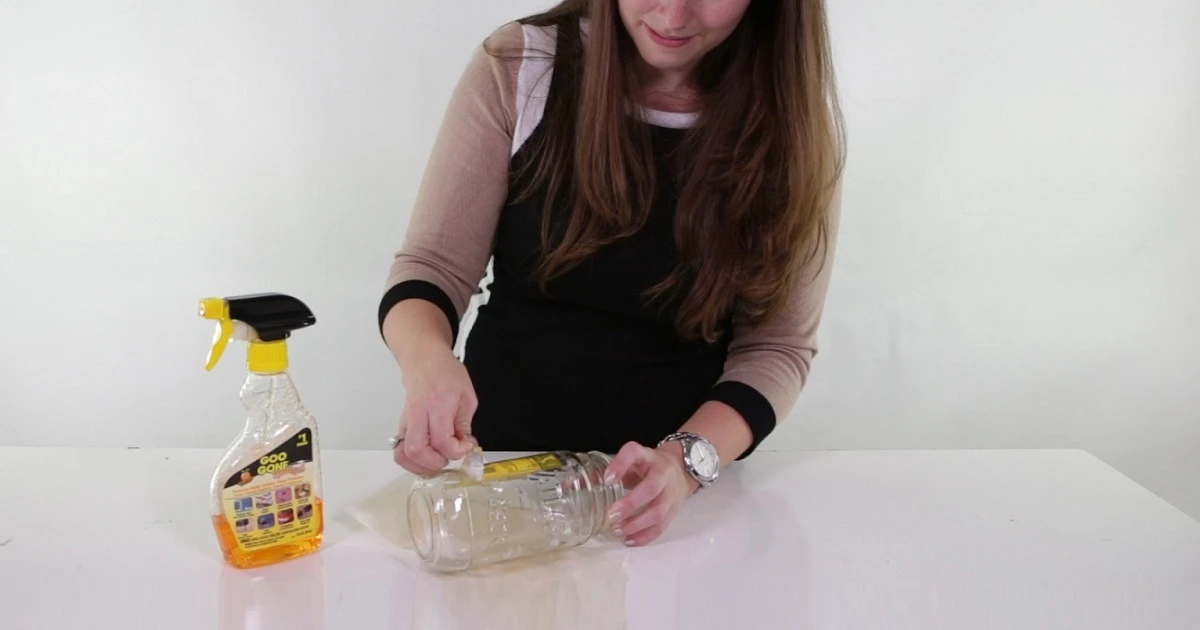
For stubborn sticker residue, a commercial adhesive remover designed for the specific surface may be more effective than household methods.
How to do it:
Follow the product label carefully, including its recommended contact time, ventilation requirements, and cleanup instructions. Test the remover before treating the entire surface.
Some products are unsuitable for food-contact items, certain plastics, or painted surfaces. If the object will hold food or beverages, follow appropriate cleaning instructions before reuse.
2. How to Remove Labels from Different Surfaces
Choosing the right sticker residue removal method is just as important as choosing the right tool. Here are some practical considerations for common materials.
Glass Bottles and Jars
Glass is generally compatible with warm-water soaking, making it a convenient choice for removing paper labels from empty jars and bottles.
Start with warm water and dish soap. If adhesive remains, try a compatible adhesive remover after testing. Avoid sudden temperature changes on cold or fragile glass.
For businesses preparing containers for relabeling, remember that removing an old label is different from preparing a new container for production. The surface must also be clean and suitable for the new adhesive.
Plastic Containers
Plastic requires more care because some solvents can cause discoloration, clouding, cracking, or surface damage.
When you need to remove labels from plastic, start with warm soapy water and gentle peeling. If the label resists, try mild heat only if the container can tolerate it.
Avoid acetone and other aggressive solvents unless the material manufacturer confirms compatibility. A method that works on glass may not be appropriate for plastic packaging.
Metal and Tin
Metal containers often tolerate gentle wiping, but printed coatings, painted finishes, and decorative surfaces may be sensitive to chemicals or scraping.
Apply a warm, damp cloth to the label and let it sit briefly. Peel slowly, then use a compatible adhesive remover if necessary.
For textured metal, work carefully around grooves and edges where adhesive can accumulate.
Ceramic and Porcelain
Mugs, plates, and decorative ceramic objects may have glossy glazes that tolerate mild cleaning, but painted patterns and specialty finishes can be more delicate.
Try warm soapy water first. If paper fragments remain, use a damp cloth to soften them before peeling. Vinegar may help with certain residues, provided the finish is compatible.
Avoid metal blades and abrasive pads that could scratch the surface or damage decorative coatings.
3. Why Do Some Labels Leave More Residue Than Others?
Not every label is designed to behave the same way. Several factors affect how easily a label can be removed.
Label material: Paper labels may tear during removal, while synthetic films may resist water and remain intact.
Adhesive formulation: Different adhesives provide different levels of tack, durability, and removability.
Application conditions: Temperature, surface cleanliness, and application pressure can influence adhesive performance.
Time in use: Adhesive behavior may change after prolonged contact with a surface or exposure to heat and moisture.
For businesses selecting labels, removability should be considered before production rather than treated as an afterthought.
If a label needs to stay attached throughout storage, transportation, and use, a permanent adhesive may be appropriate. If customers need to remove the label cleanly, a removable adhesive may be a better choice.
You can explore [custom labels for different packaging applications] when evaluating material and adhesive options for your product.
4. How to Avoid Difficult Label Removal in the Future
If you regularly reuse containers or need labels that can be removed after use, choosing the right label specification can reduce unnecessary cleaning.
Before ordering, consider these questions:
Does the label need to be permanent or removable?
Will it be applied to glass, plastic, metal, or a coated surface?
Will the package be exposed to water, refrigeration, heat, or oils?
Is clean removal more important than long-term adhesion?
Can the selected material and adhesive be tested on the actual container?
For commercial applications, test samples under realistic storage and use conditions before approving mass production.
At SpeedPrint, custom label specifications can be tailored to different packaging needs, including material, size, shape, printing, and finishing options. Our team can help evaluate suitable choices based on the intended application.
If clean removal is a priority, ask about [custom removable labels] and confirm the adhesive's compatibility with your packaging surface.
For brands that need durable, professionally printed packaging identification, [custom printed packaging labels] can also be developed to match the product's appearance and practical requirements.
Frequently Asked Questions
What is the easiest way to remove labels from glass?
Warm water and dish soap are a good starting point for many paper labels. Allow the label to soak, peel gently, and use a compatible adhesive remover if residue remains.
How do you remove sticker residue without damaging plastic?
Start with warm soapy water and a soft cloth. Avoid aggressive solvents and excessive heat, as these may damage certain plastics. Always test a small area first.
Why does a label tear instead of peeling off in one piece?
The label material may be weak, the adhesive may be strongly bonded to the surface, or the label may have been exposed to moisture or environmental changes. Gentle soaking or another compatible method may help.
Are removable labels the same as permanent labels?
No. Removable labels use adhesives designed to allow removal under specified conditions. Permanent labels are intended to provide longer-lasting attachment. Actual performance depends on the adhesive, surface, application conditions, and time in use.
Can every sticker be removed without leaving residue?
No. Some labels and adhesives are difficult to remove completely, and certain surfaces cannot tolerate stronger removal methods. The safest approach is to use a compatible method and avoid forcing the label off.
Conclusion
Learning how to remove labels starts with understanding the label material, adhesive, and surface underneath. Warm water, gentle heat, rubbing alcohol, vinegar, and commercial adhesive removers may all be useful in suitable situations, but no single method works for every combination.
For businesses, the better long-term solution is to select the right adhesive before printing. Whether your packaging requires lasting adhesion or clean removal, testing the label on the actual container can help prevent problems later.
Need labels designed for your packaging? Contact SpeedPrint to discuss custom materials, adhesives, sizes, and printing options for your next project.