Introduction
Embossing labels have become one of the most popular finishing techniques for brands that want to create premium packaging with a unique tactile experience. Unlike traditional flat printing methods, embossing creates a three-dimensional effect by physically changing the surface structure of the label, making specific areas such as logos, patterns, or text appear raised.
In modern packaging design, consumers do not only evaluate a product through visual appearance. The texture, touch, and overall packaging experience also influence purchasing decisions. Embossing and debossing techniques allow brands to add depth, improve product recognition, and create a more luxurious impression.
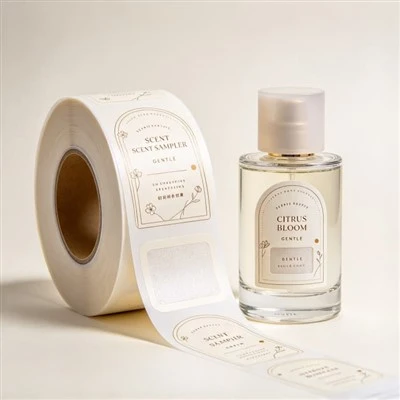
From cosmetics and wine bottles to premium food products and healthcare packaging, embossed labels are widely used to enhance brand value. By combining embossing with printing technologies such as UV printing, foil stamping, and digital printing, brands can create packaging labels that stand out on crowded shelves.
For companies looking for customized solutions, 【custom printed labels】 can integrate embossing with different materials, colors, and finishing techniques to achieve unique packaging effects.

What Are Embossing and Debossing Labels?
Embossing and debossing are specialized finishing processes that use pressure and custom-made molds to create three-dimensional effects on label surfaces.
Embossing is a process that pushes selected areas of the label upward, creating a raised design. When customers touch the label, they can feel the difference between the embossed area and the surrounding surface. This effect is often used for brand logos, product names, decorative patterns, and important design elements.
Debossing works in the opposite way. Instead of creating a raised surface, the material is pressed downward to form a recessed effect. This creates a more subtle and elegant appearance, often used for minimalist luxury packaging or designs that require a refined texture.
The main difference between embossed labels and debossed labels is the direction of the surface change:
| Feature | Embossing | Debossing |
|---|---|---|
| Surface effect | Raised design | Pressed-in design |
| Visual impact | More noticeable 3D effect | More subtle and elegant |
| Touch experience | Strong tactile feeling | Smooth recessed texture |
| Common use | Logos, premium branding | Minimalist designs, patterns |
Both methods rely on precision tooling and pressure control to achieve the desired result.
How Are Embossing Labels Made?
The production of embossing labels is more than simply adding an effect after printing. It requires careful planning from artwork design to final finishing.
The first step is artwork preparation. Designers need to identify which areas should receive the embossing effect. Usually, brands choose important elements such as logos, product names, symbols, or decorative patterns because these areas create the strongest visual impact.
After the design is confirmed, a special embossing mold is created. The mold is usually made from durable metal materials and contains the exact shape and details of the design. The accuracy of the mold directly affects the final quality of the embossed effect.
During production, the printed label material is placed between the embossing mold and a matching counter mold. Pressure is then applied to reshape the material surface. The controlled pressure pushes selected areas upward or downward, creating the three-dimensional effect.
The final result depends on several factors:
Label material thickness
Material flexibility
Mold design accuracy
Pressure control
Embossing depth
Combination with other finishing processes
For example, thicker paper materials may create a stronger embossed effect, while thinner films may require more precise control to avoid deformation.
Professional embossing labels printing requires experience because the embossing process must work together with printing, cutting, adhesive performance, and final application requirements.

What Effects Can Embossed Labels Create?
The biggest advantage of embossed labels is the combination of visual and tactile improvement.
A traditional printed label is mainly experienced through sight, but embossing adds another dimension - touch. When customers hold a product, the raised surface creates a more memorable interaction.
Embossing can create:
Raised logos
3D patterns
Premium textures
Enhanced brand visibility
Luxury packaging effects
For example, a skincare brand may emboss its logo on a bottle label to create a high-end appearance. A wine producer may use embossing on the brand name to communicate craftsmanship and quality.
Embossing can also improve design hierarchy. By making certain elements physically stand out, brands can guide customer attention toward important information.
When combined with metallic finishes, embossing can create even stronger effects. Gold stamping combined with embossing can make logos appear more luxurious, while UV printing combined with embossing can create contrast between smooth and textured areas.
Embossing and Debossing Materials for Labels
The choice of material plays an important role in achieving a successful embossing effect.
Paper-based materials are commonly used because they have good flexibility and can maintain detailed surface changes. Premium art paper, textured paper, and specialty paper are often selected for luxury packaging applications.
Synthetic materials can also be used when products require higher durability. Film materials such as BOPP and PET offer moisture resistance and strength, making them suitable for packaging exposed to challenging environments.
However, not every material creates the same embossing result. The thickness, flexibility, coating, and surface structure all influence the final appearance.
A suitable material should balance:
Embossing performance
Printing quality
Product application requirements
Durability expectations
For products requiring both premium appearance and strong performance, 【premium labels】 often combine suitable materials with embossing, foil stamping, and protective finishes.

Applications of Embossed Labels in Packaging
Custom embossed labels are widely used in industries where packaging appearance and brand perception are important.
Cosmetics and Beauty Packaging
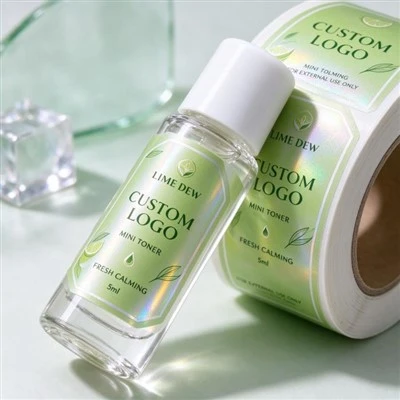
Cosmetics are one of the most common applications for embossed labels. Beauty brands often use packaging design to communicate luxury, quality, and product positioning.
Embossing can be applied to:
Brand logos
Product names
Decorative patterns
Special design elements
Combined with matte finishes, metallic foil, or UV effects, embossing helps cosmetic packaging create a premium customer experience.
Wine and Beverage Packaging
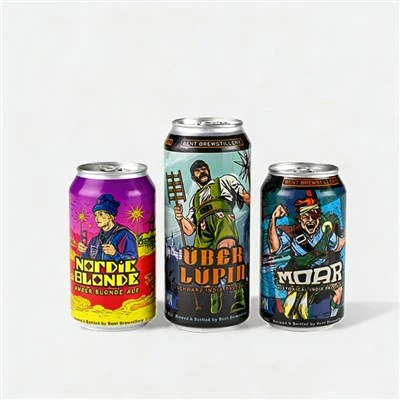
Wine labels frequently use embossing because the technique matches the traditional and premium image of wine products.
Embossed brand names, vineyard logos, and decorative patterns can make bottles appear more sophisticated and handcrafted.
Food and Specialty Products
Premium food brands also use embossing to differentiate products on retail shelves.
Examples include:
Chocolate packaging
Specialty coffee labels
Organic food products
Gift packaging
The tactile effect helps communicate quality and attention to detail.
Healthcare and Supplement Packaging
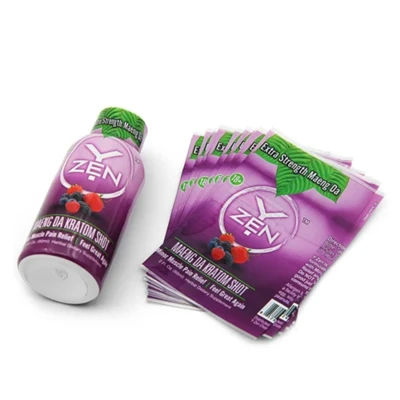
Healthcare and supplement brands may use embossing for premium positioning, especially for wellness products, supplements, and high-end health brands.
Although product information remains the priority, carefully applied embossing can improve packaging recognition and brand presentation.

Combining Embossing With Other Printing Techniques
One of the reasons embossing and debossing remain popular is that they can be combined with many other printing and finishing technologies.
Embossing + Gold Stamping:
This combination creates one of the most common luxury packaging effects. The metallic foil catches light while the raised surface creates depth.
Embossing + UV Printing:
UV printing provides sharp colors and durability, while embossing adds physical texture.
Embossing + Matte Finish:
A matte surface creates a modern and elegant appearance, while embossed elements provide subtle contrast.
Embossing + Digital Printing:
Digital printing allows flexible artwork production, while embossing adds a premium finishing effect.
These combinations allow brands to create packaging that is visually attractive while also providing a memorable tactile experience.
Why Brands Choose Custom Embossed Labels
Packaging competition continues to increase across different industries. A product needs more than basic information to attract attention.
Custom embossed labels provide several advantages:
First, they improve brand recognition. A raised logo or unique texture can help customers remember a product more easily.
Second, they increase perceived value. Premium finishing techniques often create an impression of higher quality and craftsmanship.
Third, they improve shelf appearance. In retail environments, products compete with many similar items, and unique packaging can influence customer attention.
Fourth, embossing can support brand storytelling. A carefully designed texture can communicate luxury, tradition, innovation, or quality.
For brands that need professional packaging development, working with an experienced 【custom label manufacturer】 helps ensure that embossing, printing, and materials work together effectively.

Conclusion
Embossing labels are more than a decorative finishing method. They are a packaging technology that combines design, craftsmanship, and customer experience.
Through specially designed molds and controlled pressure, embossing and debossing can transform flat labels into three-dimensional packaging elements. These techniques create stronger visual impact, improved tactile interaction, and enhanced brand recognition.
From cosmetics and wine to food, beverages, and healthcare products, embossed labels provide brands with an effective way to differentiate products in competitive markets.
By combining embossing with printing technologies such as UV printing, digital printing, and foil stamping, companies can create packaging solutions that are not only attractive but also memorable.
Frequently Asked Questions (FAQ)
What is embossing on labels?
Embossing is a finishing process that uses pressure and molds to create raised areas on label surfaces, producing a three-dimensional tactile effect.
What is the difference between embossing and debossing?
Embossing creates raised designs, while debossing creates recessed designs by pressing the material downward.
What products use embossed labels?
Embossed labels are commonly used for cosmetics, wine bottles, beverages, premium food products, supplements, and luxury packaging.
Can embossing be combined with foil stamping?
Yes. Embossing and foil stamping are often combined to create premium metallic and three-dimensional packaging effects.
What materials are suitable for embossing labels?
Paper, specialty paper, BOPP, PET, and other flexible label materials can be used depending on the required effect and application.
Are embossed labels more expensive than standard labels?
Embossing usually requires additional tooling and finishing steps, so the cost can be higher than standard labels. However, it provides added brand value and premium appearance.
References
FINAT – European Association for the Self-Adhesive Label Industry
https://www.finat.com/
Labels & Labeling – Global Label Industry Information
https://www.labelsandlabeling.com/
Avery Dennison – Label Materials and Solutions
https://label.averydennison.com/
Packaging Europe – Packaging Technology and Innovation
https://packagingeurope.com/
Smithers – Printing and Packaging Industry Research
https://www.smithers.com/