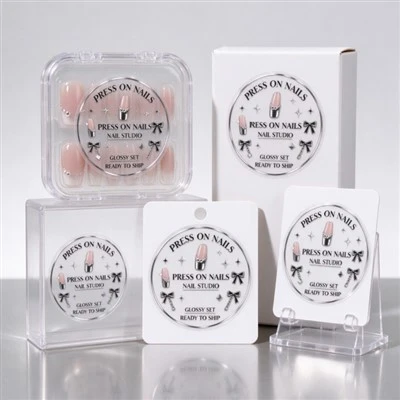
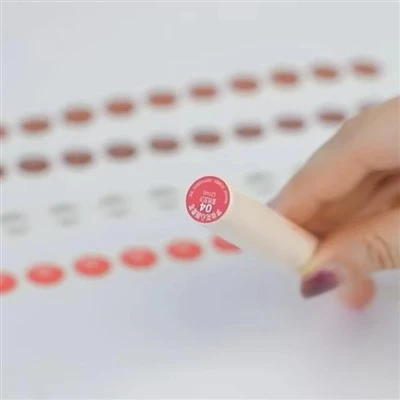
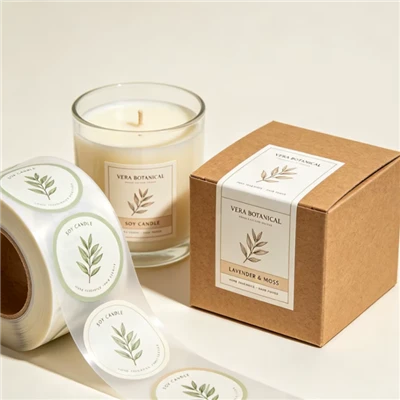
When choosing a material for custom product labels, the paper itself can influence how customers perceive a brand. Some labels need sharp printing and a refined, smooth finish, while others need a subtle shimmer that makes the packaging stand out on a retail shelf. Art paper labels and pearlescent paper labels offer two different ways to achieve these results.
Art paper is valued for its print quality and versatile appearance. Pearl paper, also called pearl paper labels or pearlescent paper labels, features a distinctive shimmering surface that reflects light and creates a more decorative effect. Both materials can be used for premium packaging, but they communicate different brand styles.
In this guide, we explain how art paper stickers and pearl paper stickers look, which products commonly use them, how they compare with BOPP and other label materials, and what brands should consider before placing a custom label order.
1. What Are Art Paper Labels?
Art paper is a coated paper material commonly used when detailed graphics, crisp text, and attractive color reproduction are important. Depending on the specific paper grade and finishing process, its surface may appear smooth, glossy, or matte.
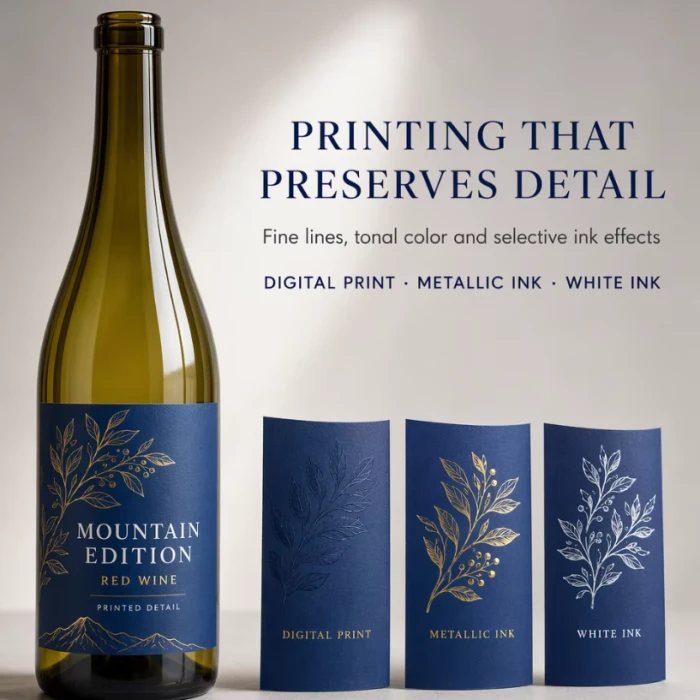
The main advantage of art paper labels is their ability to present detailed designs clearly. Logos, product information, illustrations, decorative patterns, and fine typography can all be reproduced with a polished appearance.
Art paper is also versatile. A brand can choose a clean, minimalist design with a matte finish or a brighter, more colorful design with a gloss finish. Additional processes, such as hot foil stamping, embossing, or spot UV, can create more visual contrast.
Common applications include:
Cosmetic jars, skincare boxes, and personal care packaging
Perfume boxes and premium gift products
Dry food packaging, tea boxes, and confectionery
Product boxes, promotional stickers, and retail packaging
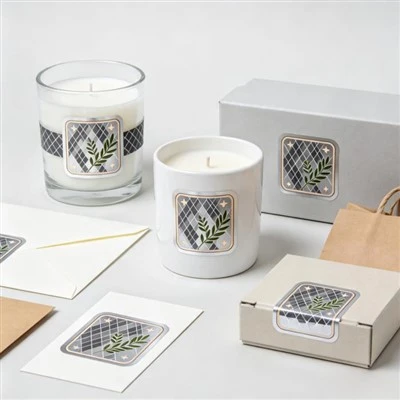
Decorative labels for candles and handmade products
For brands that want a refined printed design without a pronounced metallic shimmer, art paper is a practical option. However, ordinary art paper is not inherently waterproof. If the product will be exposed to moisture, condensation, or frequent handling, the paper grade, protective coating, adhesive, and application conditions need to be evaluated.
2. What Are Pearl Paper Labels?
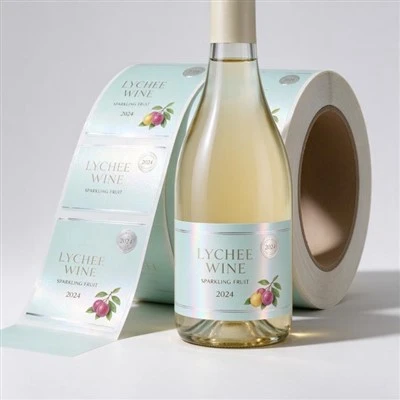
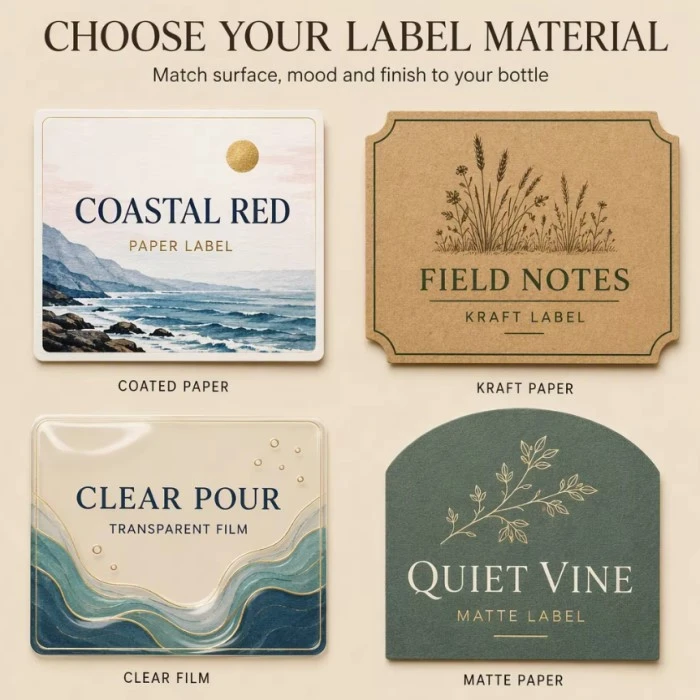
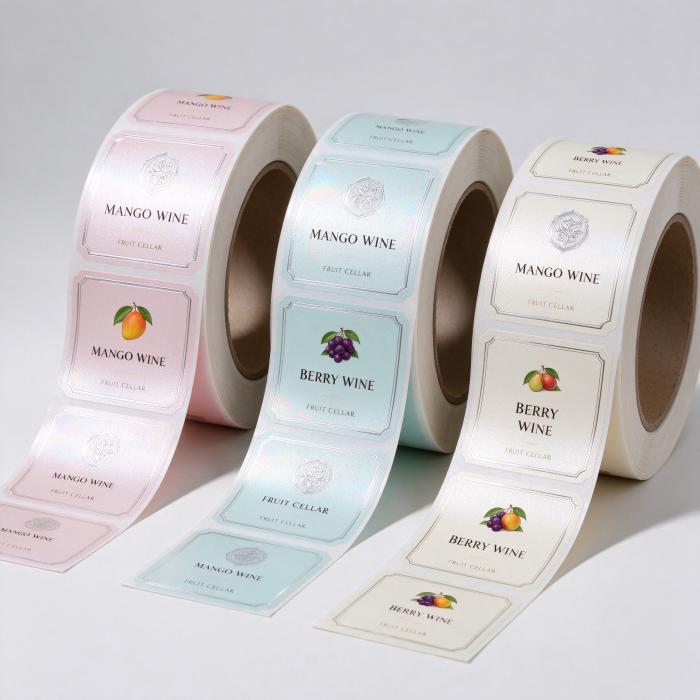
Pearl paper is a specialty paper designed with a pearlescent or pearl-like surface effect. Instead of looking like ordinary white paper, it reflects light with a soft shimmer that can appear elegant, luminous, or subtly metallic.
The exact appearance depends on the paper's base color, coating, surface texture, lighting, and printed design. Some pearl papers have a delicate white shimmer, while others may have champagne, silver, or other tinted undertones.
The defining feature of pearl paper labels is that the decorative effect comes partly from the material itself, not only from the printed artwork. Even a relatively simple design can look more distinctive because the surface interacts with light.
Typical applications include:
Perfume and fragrance packaging
Premium skincare and cosmetic products
Wine, spirits, and special-edition beverage packaging
Chocolate, confectionery, and gift products
Wedding favors, cultural gifts, and decorative packaging
Seasonal or limited-edition product labels
Pearl paper works especially well when the brand wants an elegant, luminous look without covering the entire label in heavy metallic foil. It can also be combined with hot foil stamping, embossing, or spot UV to create more complex visual effects.
However, not every pearlescent material is the same. Some products described as pearl labels use pearlescent film rather than paper. If you specifically require paper, confirm the actual face material with your supplier.
3. What Do Art Paper and Pearl Paper Stickers Look Like?
The difference becomes clearer when you consider how each material interacts with light and design.
Art paper: Clean, detailed, and versatile
Art paper provides a controlled surface for printed graphics. Depending on the grade and finish, the result can be bright and glossy or understated and matte.
It is particularly suitable for brands that want to emphasize detailed artwork, small text, colorful illustrations, or a carefully balanced layout. When paired with gold foil or embossing, art paper can also produce a premium effect without requiring a naturally shimmering base.
Pearl paper: Soft shimmer and a more decorative appearance
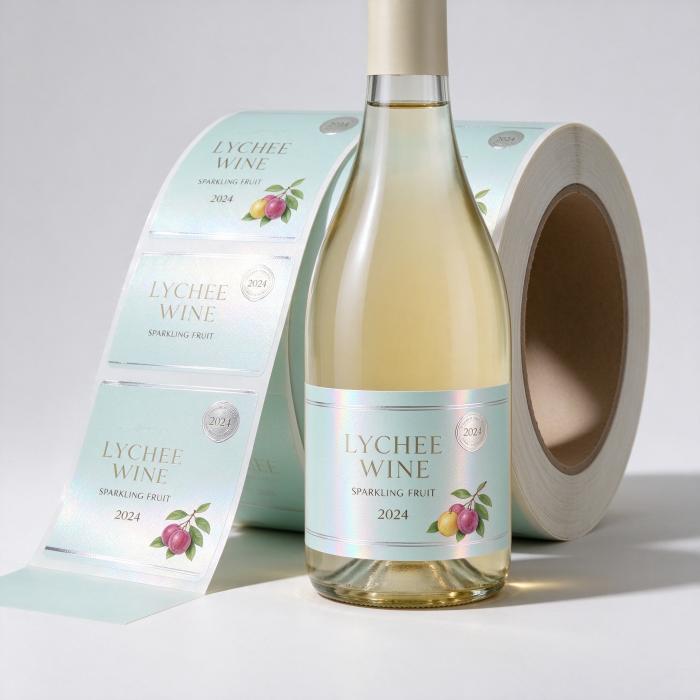
Pearl paper has an additional visual dimension. As the viewing angle changes, the surface reflects light differently, creating a gentle glow across the label.
This effect can complement elegant typography, floral artwork, fragrance packaging, and premium gift designs. A simple logo on pearl paper may look more distinctive than the same design on ordinary white paper.
The key is balance. If the artwork contains too many colors, large dark areas, and multiple decorative effects, the pearl surface may compete with the design rather than enhance it. Leaving some areas visually uncluttered often allows the material to make a stronger impression.
For visual planning, compare the appearance of 【Custom Luxury Cosmetic Labels】 with the intended finish of your project, and request actual material samples before finalizing the design.
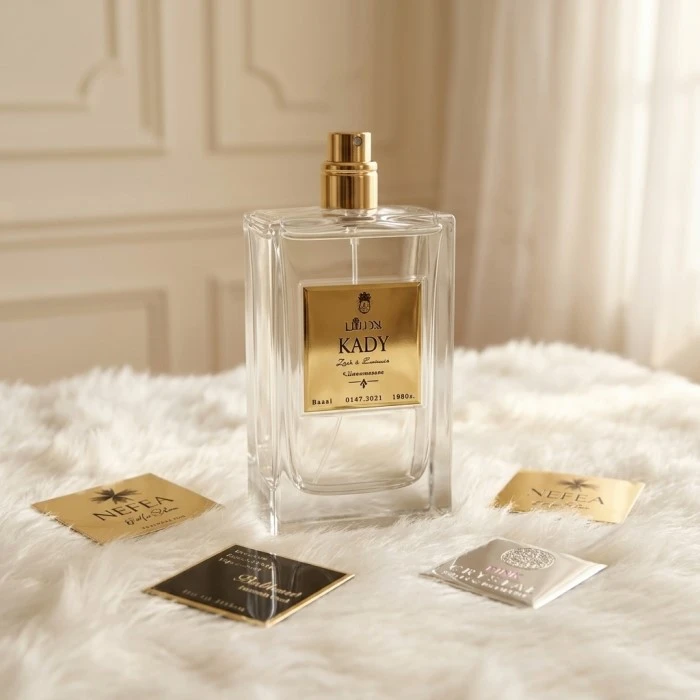
4. Art Paper vs. Pearl Paper vs. BOPP Labels
These materials serve different packaging needs. The right choice depends on the desired appearance, the product's environment, and the level of durability required.
| Feature | Art Paper | Pearl Paper | BOPP Film |
|---|---|---|---|
| Main appearance | Smooth, printed, matte or glossy depending on finish | Soft pearlescent shimmer | Smooth, typically clean and uniform |
| Design strengths | Detailed graphics and clear text | Decorative light reflection and premium presentation | Modern graphics and consistent film appearance |
| Typical positioning | Everyday to premium packaging | Premium and gift-oriented packaging | Everyday, premium, and functional packaging |
| Moisture resistance | Limited unless specially treated | Depends on the paper construction and treatment | Generally strong |
| Tactile character | Paper-like | Paper-like with a luminous surface | Smooth film feel |
| Common uses | Boxes, dry goods, cosmetics | Fragrance, gifts, specialty products | Bottles, personal care, food and beverage packaging |
Unlike paper, BOPP is a polypropylene film that generally offers better resistance to water, tearing, and routine handling. That makes it useful for products exposed to moisture or condensation. Paper materials, by contrast, can offer a more traditional or specialty-paper appearance.
For example, 【Custom Waterproof BOPP Labels】 may be a better fit for shampoo bottles or refrigerated products, while pearl paper may be more suitable for a premium gift box or a fragrance package that prioritizes appearance.
One important distinction: pearl paper is not automatically waterproof just because it has a coated or shimmering surface. Special treatments may improve performance, but the complete label construction must be assessed for the intended conditions.
5. Which Products Use Art Paper and Pearl Paper Labels?
The material should support both the product's brand identity and its real usage conditions.
Cosmetics and skincare
Art paper is suitable for many cosmetic boxes and dry packaging components that need detailed printing. Pearl paper can provide a more luminous appearance for premium skincare collections, gift sets, and limited-edition products.
For bottles and jars used in bathrooms, consider exposure to water, oils, creams, and repeated handling. The material and protective finish should be chosen accordingly. 【Custom Cosmetic Labels】 can be developed around different materials and finishes depending on the packaging requirements.
Perfume and fragrance
Fragrance packaging often relies on subtle visual details to communicate elegance. Pearl paper can complement soft colors, refined typography, and delicate decorative patterns. Art paper can work well for crisp graphics, understated branding, and coordinated box labels.
Foil stamping or embossing may enhance either material, but the final combination should be evaluated on a physical sample.
Wine, spirits, and specialty beverages
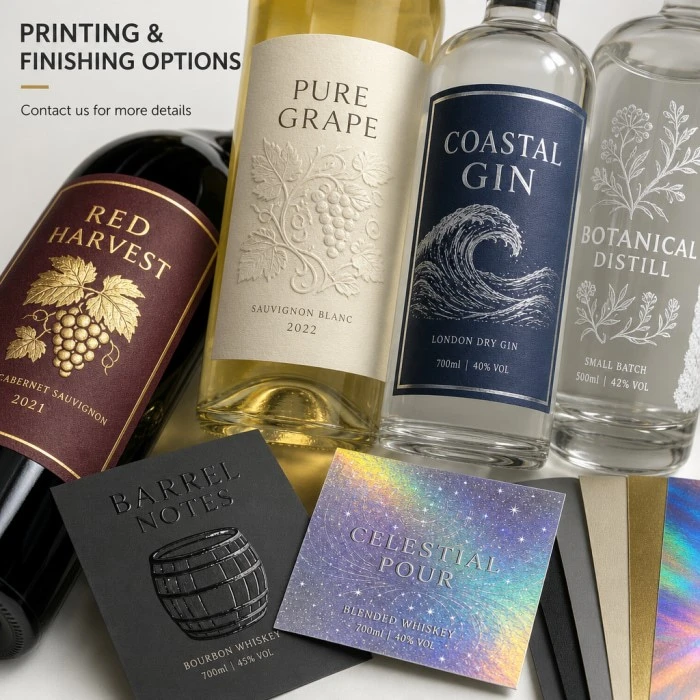
Paper labels are often used for premium wine and spirits packaging because they can provide a traditional, refined appearance. Art paper suits clean, detailed designs, while pearl paper can add a distinctive shimmer to special editions or gift-oriented bottles.
However, cold storage, ice buckets, condensation, and wet handling can be challenging for ordinary paper labels. If a bottle will be chilled or repeatedly exposed to moisture, ask about wet-strength paper or suitable film alternatives before selecting the material.
Gifts, confectionery, and seasonal products
Pearl paper can be particularly effective for gift packaging, chocolate boxes, seasonal collections, and celebratory products. Its reflective surface can make the label feel more decorative without requiring an elaborate design.
Art paper is also suitable for these applications, especially when the brand wants colorful illustrations, detailed graphics, or a more understated finish.
Handmade products and candles
Art paper can support a refined, crafted appearance for candle jars, handmade soaps, and gift products. Pearl paper may suit premium gift collections or products with an elegant visual identity.
For containers exposed to heat, oils, or frequent handling, confirm the label's temperature requirements, adhesive compatibility, and durability rather than choosing by appearance alone.
6. Why Are Pearl Paper Labels Popular for Premium Packaging?
There is no single reliable market-share figure that proves pearl paper is more popular than art paper or BOPP across the entire label industry. Its popularity is better understood through its specific role in premium and decorative packaging.
Pearl paper appeals to brands that want packaging to feel different at first glance. The subtle shimmer can communicate refinement, celebration, or exclusivity, particularly when combined with restrained artwork and carefully chosen finishing techniques.
It also gives designers another way to create differentiation. Instead of relying entirely on printed colors, large graphics, or extensive foil coverage, they can use the material's own reflective properties as part of the visual identity.
That does not mean pearl paper is the best choice for every product. Ordinary art paper may be more suitable when print detail, cost control, or a classic paper appearance is the priority. BOPP is often more practical when moisture resistance and durability matter most.
For many brands, pearl paper is therefore a specialty choice rather than a universal standard. It is especially relevant when shelf appeal and premium presentation are central to the product's positioning.
7. How to Choose the Right Paper for Your Custom Stickers
Before ordering custom paper stickers, consider five factors.
First, define the intended appearance. Choose art paper for a clean printed finish or pearl paper when a soft, shimmering effect supports the brand concept.
Second, consider the product category. Perfume, gifts, premium cosmetics, and special-edition products may benefit from pearl paper. Dry goods, boxes, and detailed printed designs may be well suited to art paper.
Third, check the application environment. Paper labels may be unsuitable for products exposed to prolonged moisture, condensation, oils, or frequent cleaning unless the construction has been designed for those conditions.
Fourth, select the finishing process. Matte or gloss coatings, hot foil stamping, embossing, and spot UV can change the final appearance. Avoid choosing a finishing process before confirming that it works with the selected paper.
Fifth, request samples. The actual pearl effect, printed color, tactile feel, and adhesive performance are difficult to judge from a screen image alone. Test the label on the intended package and under realistic lighting before approving mass production.
A qualified label supplier can help compare materials, print methods, finishing options, and adhesive requirements so the final label matches both the brand concept and the product's operating conditions.
Conclusion
Art paper labels and pearl paper labels offer different ways to enhance product packaging. Art paper is a versatile option for clear printing, detailed graphics, and a refined paper finish. Pearl paper adds a soft, light-reflecting shimmer that can make premium products, gifts, and special editions more distinctive.
Neither material is automatically better than the other. The decision depends on the visual effect you want, your product's environment, your finishing requirements, and your budget. When moisture resistance is essential, a suitable film material such as BOPP may be a more practical alternative.
At SpeedPrint, custom label projects can be tailored to different product categories, materials, and finishing requirements. By discussing your packaging, design, and application conditions before production, you can select a label material that supports your brand's appearance and practical needs.
FAQ
1. What is the difference between art paper and pearl paper stickers?
Art paper is generally selected for its print quality and versatile surface finish. Pearl paper has a pearlescent surface that reflects light and gives the label a subtle shimmer. The best option depends on the desired appearance and application.
2. Are pearl paper labels waterproof?
Not necessarily. Standard pearl paper remains a paper-based material and may absorb moisture or deteriorate when wet. Water resistance depends on the specific paper grade, protective treatment, adhesive, and label construction.
3. Which products are best suited to pearl paper labels?
Pearl paper is commonly considered for perfume, premium cosmetics, gift packaging, confectionery, wine and spirits, and special-edition products where a refined or decorative appearance is important.
4. Can pearl paper labels use gold foil or embossing?
Yes, depending on the paper grade and production process. Hot foil stamping, embossing, and spot UV can add contrast and texture. A physical sample is recommended to confirm the combined visual effect.
5. Are art paper labels cheaper than pearl paper labels?
Standard art paper may be more economical than specialty pearl paper, but the final price depends on material grade, order quantity, label dimensions, printing, finishing, and adhesive requirements. Compare complete specifications rather than material names alone.
6. Should I choose pearl paper or BOPP for a bottle label?
Choose based on both appearance and usage. Pearl paper may suit a premium bottle that stays mostly dry, while BOPP is generally more suitable for bottles exposed to water, condensation, or frequent handling. Confirm performance requirements with your supplier before ordering.
References
Avery Dennison: Wine and Spirits Label Materials Guide
CIR Label: Foil Stamping and Embossing on Pearl Textured Paper
Beontag: Paper vs. BOPP Labels-Key Differences and How to Choose