CUSTOM LABELS: EVERYTHING YOU NEED TO KNOW BEFORE ORDERING Ordering custom labels is far more than simply sending a design file to a printing supplier. Many brand owners make the mistake of rushing into production without thorough preparation, which often leads to frustrating outcomes: labels that fail to stick to packaging surfaces, obvious color mismatch between printed products and original designs, materials unable to withstand storage environments, or even non-compliant packaging that cannot be sold or exported. Careful and comprehensive pre-order preparation ensures you receive labels that perfectly fit your packaging structure, satisfy long-term usage requirements, present your brand aesthetics, and avoid costly rework and production delays. Here are all the critical factors you need to fully confirm before placing your custom label order.
1. Confirm application environment & surface
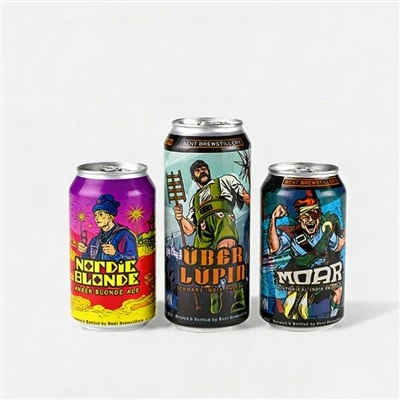
The foundation of qualified custom labels lies in matching the label design and materials to your actual application conditions. First, you need to clearly define the base surfaces where labels will be applied. Common packaging materials include glass bottles, PET plastic containers, HDPE jugs, kraft paper boxes, metal tins and coated cartons. Different materials have varying surface tension: smooth glossy plastic may require stronger adhesive, while textured paper surfaces offer better adhesion for standard glue.
Next, distinguish the working environment of your finished goods. You need to judge whether products are used indoors or exposed outdoors. Goods placed in bathrooms, kitchens or refrigeration facilities face constant humidity and temperature changes. For these items, waterproof, moisture-proof substrates such as BOPP or PET film are necessary to prevent label curling, ink blurring and peeling. If your commodities will be stored in cold freezers, low-temperature resistant adhesive is essential, as ordinary glue will lose viscosity under freezing conditions.
Outdoor goods like garden supplies or vehicle packaging labels need additional anti-UV protection to stop fading under long-term sunlight exposure. You should also consider whether the labels will contact oil, alcohol, lotion or other chemicals, which demands oil-proof and solvent-resistant face stock. All these environmental details will directly guide your material selection in the later stage.
2. Finalize artwork and technical specifications
High-quality artwork is the prerequisite for exquisite label printing. Many printing errors originate from incomplete or non-standard design files. You are advised to prepare vector design files in AI, PDF or editable PSD format with high resolution. Low-resolution JPG pictures will appear blurry after mass printing and cannot support fine patterns and small text.
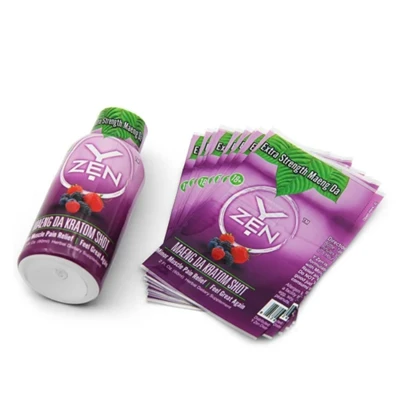
You must lock in exact label dimensions, shape and die-cut outlines in advance. Apart from regular rectangles, circles and ovals, many brands choose special custom die-cut shapes to stand out on retail shelves.
You also need to sort out all content on labels: brand logos, product names, ingredient lists, barcodes, QR codes, production dates, warning statements and marketing slogans. Leave enough blank space for text, and avoid squeezing too much information into narrow areas, which affects readability. If you plan to add variable data such as serial numbers and batch codes, communicate this demand with your printer at the early design stage
3. Select proper label materials and adhesives
Pick substrates according to your budget and demands: paper labels for short-term indoor use, vinyl for waterproof scenarios. Choose permanent glue for long-term attachment or removable adhesive if you need residue-free peeling.
4. Decide printing methods and surface finishes
Two mainstream printing technologies dominate custom label manufacturing: digital printing and flexographic printing. Digital printing is perfect for small-batch orders, trial sales and multi-design variable printing. It requires no expensive printing plates, supports fast sample production and flexible pattern changes. Flexo printing is more cost-effective for large-volume mass orders, delivering stable color consistency for long-run production lines.
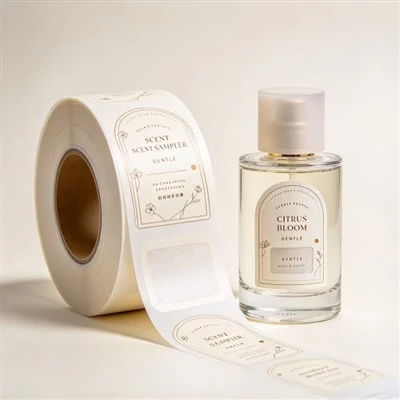
Various surface finishing processes can greatly upgrade label texture and durability. Matte or glossy lamination is the most basic option: matte lamination brings soft upscale visuals and prevents fingerprints, while glossy lamination makes colors brighter and strengthens scratch resistance. Extra premium crafts include hot stamping (gold, silver, rainbow foil), embossing & debossing, spot UV coating and laser engraving. Hot stamping adds metallic luster to logos; embossing creates tactile raised patterns.
It is worth noting that extra craft processes will raise unit costs and extend production cycles. You can combine your brand positioning to match suitable finishing solutions. Entry-level brands can choose simple matte lamination, while high-end cosmetic, wine and gift brands can integrate multiple special processes to build premium product perception.
5. Check industry and market compliance standards
Compliance inspection cannot be ignored, especially for food, cosmetic and cross-border export products. Different countries and regions carry independent packaging regulations. For cosmetic labels sold in EU, UK or US markets, you must follow local rules about ingredient declaration language, warning marks, font size and storage instructions. Food labels have strict requirements on material safety; printing ink and face stock must meet food contact standards.
If you skip compliance checks, your goods may be detained by customs, forced to be removed from supermarket shelves, or even face costly product recalls. When designing labels, confirm all mandatory information that needs to be printed. Do not rely on decorative stickers to replace formal compliant labels. If you sell products in multiple regions, you may need to make adjusted label versions with different language texts to satisfy diversified regulatory requirements.
6. Arrange pre-production sample confirmation
Never skip the sample confirmation link before mass manufacturing. After confirming materials, artwork and printing techniques, ask your supplier to produce physical pre-production samples. Digital screen previews cannot reflect real-world effects, and many hidden problems can only be found on physical samples.
When receiving samples, you need to inspect multiple aspects carefully. First, check color restoration, compare finished samples with your original design to confirm whether there is obvious color shift. Second, test the actual sticking effect: paste the sample label on your own packaging container, observe whether it fits curved surfaces tightly, and check for bubbling, warping or edge lifting. Third, verify die-cut precision, ensure clean cutting lines without rough burrs. You also need to test scratch resistance, waterproof performance and the stability of printed text.
Record all defects and revise the design or material plan together with the printer. Adjusting details on samples costs far less than reworking thousands of bulk labels after production
7. Negotiate order details with manufacturers
After all technical standards are settled, it is time to confirm all commercial order terms clearly with your label manufacturer. First, confirm the minimum order quantity (MOQ). Digital printing usually supports low MOQ for startup brands, while flexo printing requires higher volumes. Clarify production lead time, including sample-making cycle and mass production schedule, and reserve sufficient buffer time to avoid delaying your product launch plan.
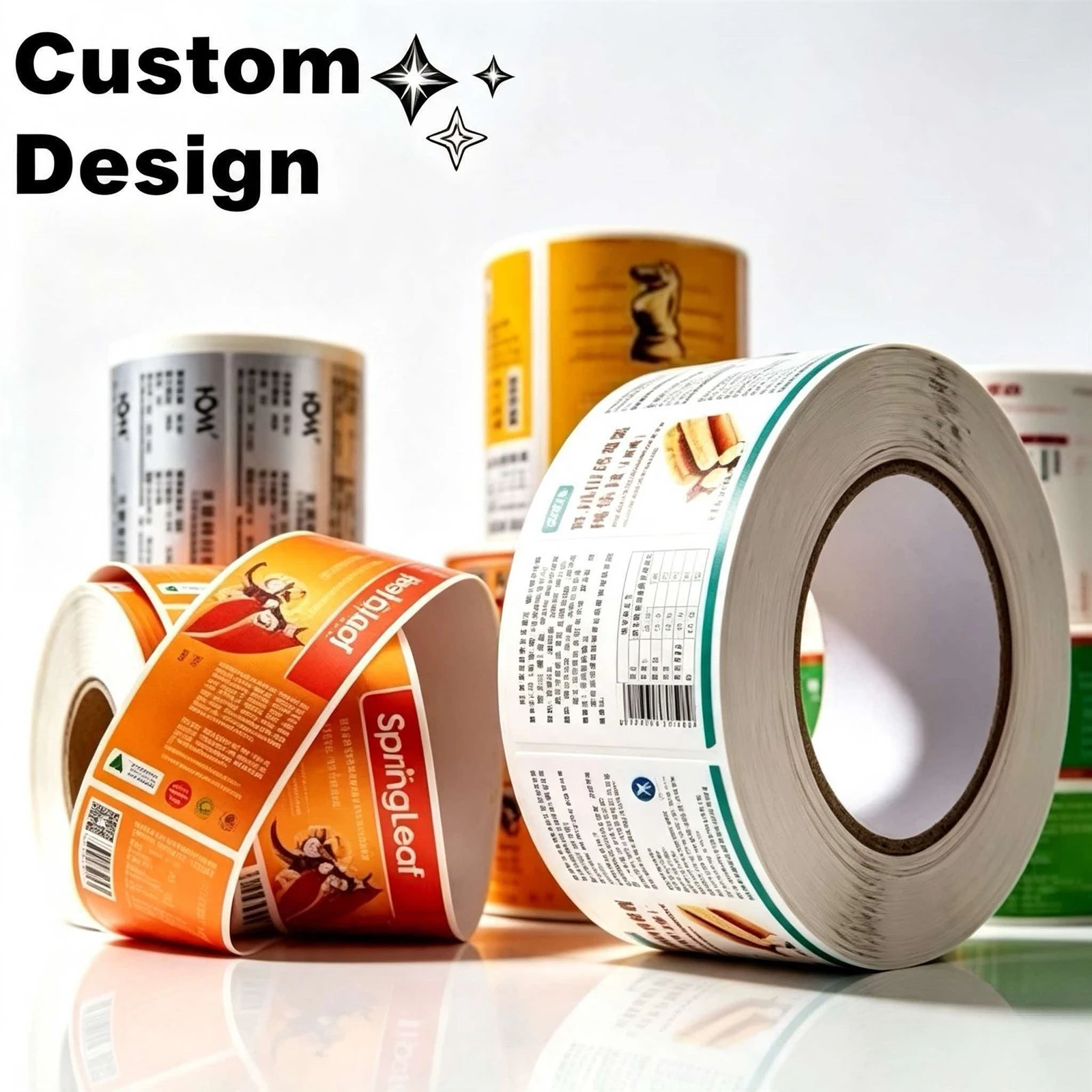
Discuss label format: roll labels or sheet labels. Roll labels match automatic labeling machines for factory assembly lines; sheet labels fit small-batch manual sticking. Confirm inner core size for roll labels if you own labeling equipment. Meanwhile, clarify packaging methods, shipping terms and the complete quotation. Ask suppliers to list all charges including plate fee, die-cut fee, craft extra cost and delivery expense, to avoid hidden additional charges after production starts. In addition, confirm after-sales policies, such as solutions for defective goods caused by production errors.
With all these points sorted out, you can efficiently cooperate with your label supplier and get ideal custom labels for your products. Conclusion
From analyzing usage environments and designing artwork, selecting materials and printing crafts, verifying compliance, confirming samples to negotiating commercial terms, every link matters when ordering custom labels. Rushing through preparation work will bring unexpected risks to your packaging project. When you sort out all the above points step by step, you can communicate efficiently with your label supplier, reduce repeated communication and revision, and finally obtain high-quality custom labels that match your brand positioning, protect product interests and help your goods stand out in competitive markets.